emulsion
noun emulsion
ɪˈmʌlʃn
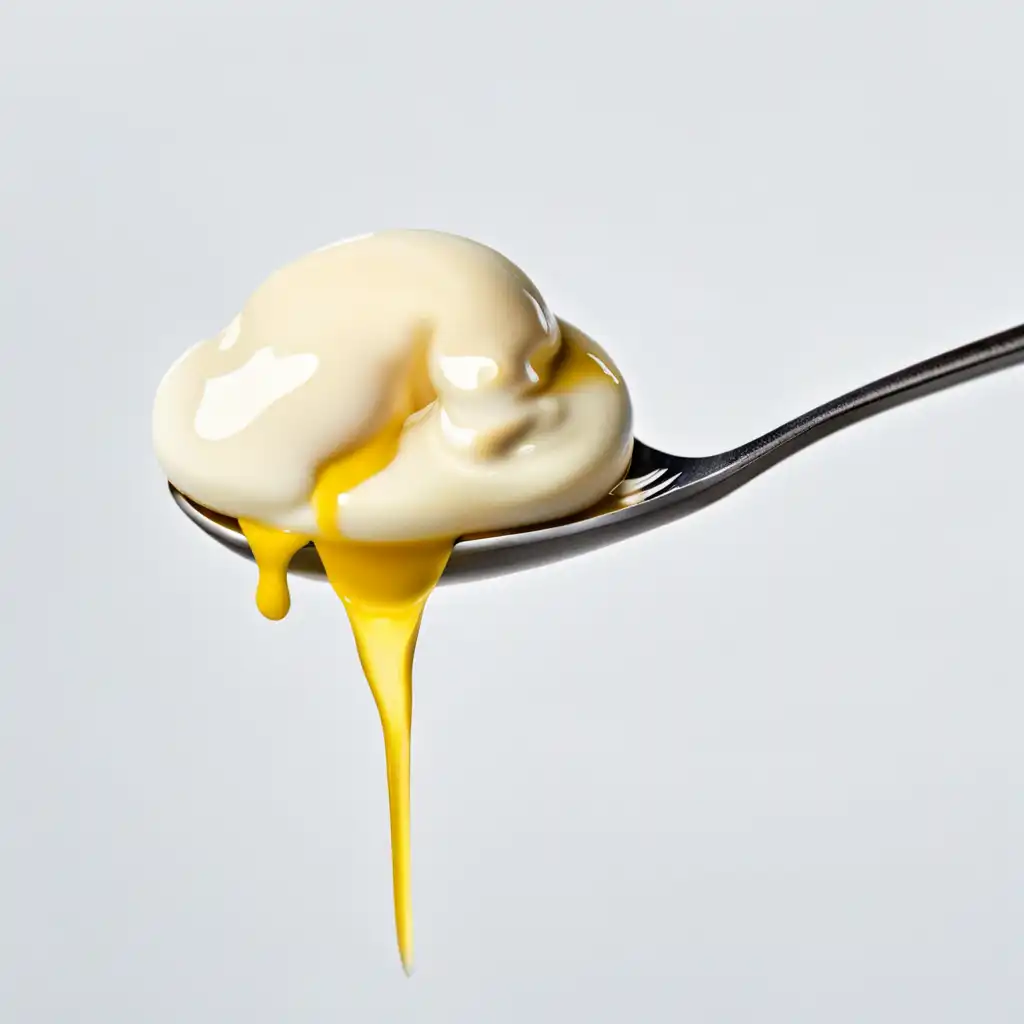
A mixture of two liquids that don't usually mix, for example oil and water.
Mayonnaise is an emulsion of oil and vinegar.
emulsion
ɪˈmʌlʃn
Đang tải…
ɪˈmʌlʃn
A mixture of two liquids that don't usually mix, for example oil and water.
Mayonnaise is an emulsion of oil and vinegar.

ɪˈmʌlʃn
A type of paint that dries to a smooth finish.
I'm going to use emulsion paint for the walls in the living room.
ɪˈmʌlʃn
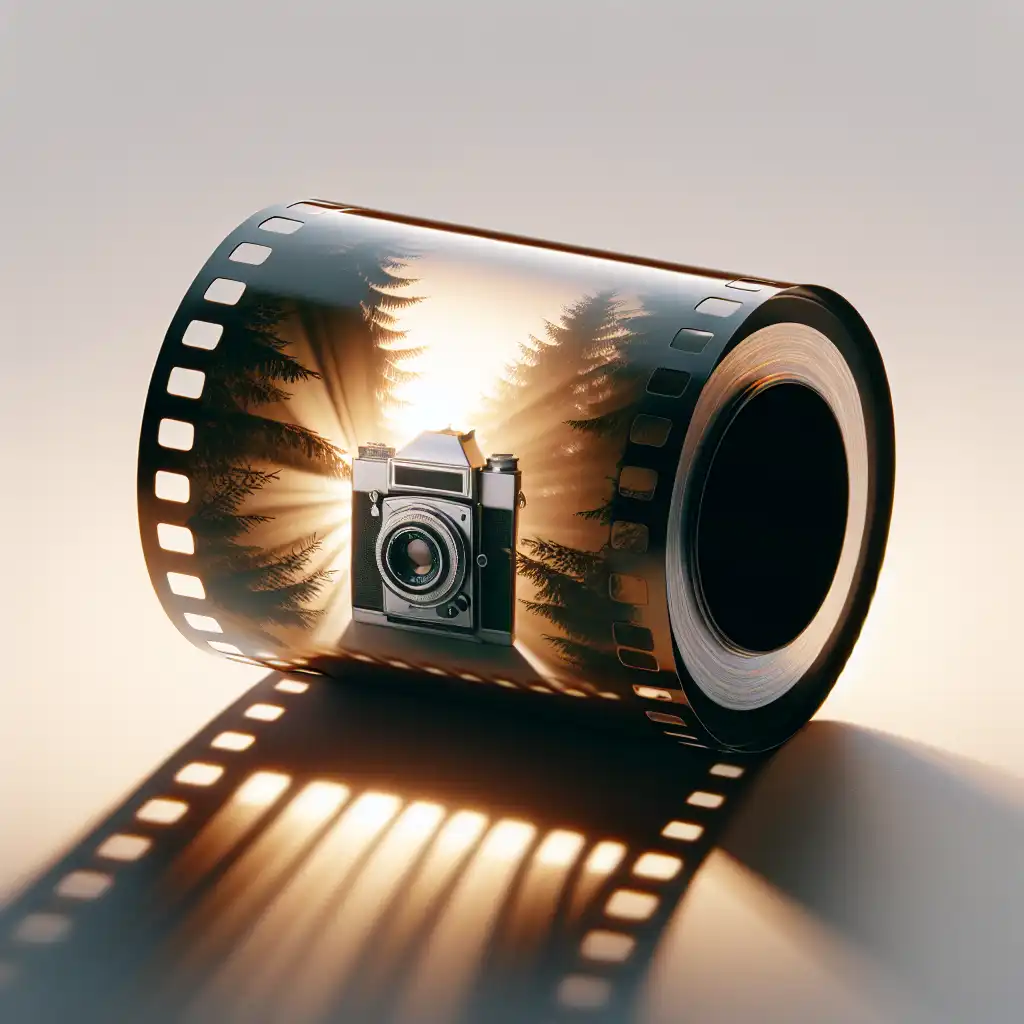
A photo-sensitive coating found on films and plates in photography.
The film emulsion captures the image when exposed to light.
Không tải được âm thanh. Vui lòng thử lại sau.
An emulsion is a mixture of two liquids that don't naturally mix well together, like oil and water. To create an emulsion, a special substance called an emulsifier is added to help the liquids stay mixed together. Emulsions are commonly used in cooking, like in salad dressings, mayonnaise, and sauces. They are also used in cosmetics, such as lotions and creams. In industrial processes, emulsions can be used in the production of paints, coatings and inks.
Blend means to mix two or more substances together until they are evenly combined. A blender or a spoon can be used to blend things together.
Blending is applicable when the substances being mixed are similar in nature, and do not require any special treatment for them to mix together.
Mở từ: Blend →Compound is a term used for a mixture of substances which are physically combined. For example, when two or more chemicals are mixed together, they form a compound.
Compounds are used in a variety of applications, such as medicines, plastics, and fertilizers.
In simpler terms, a compound is a mixture where different elements or compounds are mixed together physically, while an emulsion is two or more immiscible substances mixed through a chemical process.
Mở từ: Compound →Conglomerate refers to a mixture of different things that come together but do not blend or dissolve into each other. It's applicable in Geology, where it refers to a rock composed of different-sized fragments of other rocks.
Mở từ: Conglomerate →Consistency refers to how thick or thin something is. For example, toothpaste has a consistent thickness that makes it easy to apply to a toothbrush.
Mở từ: Consistency →An emulsion is a specific type of mixture where one substance is dispersed evenly throughout another substance, but the two substances do not separate.
A mixture is a combination of two or more substances that are physically combined but can be separated. An example of a mixture is a bag of mixed nuts, as the nuts can be separated and sorted.
Mixtures are applicable in situations where the substances do not need to remain evenly distributed and can be separated, such as in chemistry experiments or cooking.
Mở từ: Mixture →A solution is a homogeneous mixture of two or more substances, where one substance dissolves into the other. The dissolved substance is typically in smaller quantities and is evenly distributed throughout the solvent.
Solutions are commonly used in chemistry for experiments and in everyday life, such as mixing sugar in water or salt in vinegar.
The difference between an emulsion and a solution is that emulsions involve two immiscible liquids while solutions involve one substance dissolving into another.
Mở từ: Solution →Both emulsions and suspensions involve the mixing of two or more substances, but they differ in the nature of the mixture.
A suspension is a mixture of a solid and a liquid. Unlike an emulsion, the solid in a suspension does not dissolve in the liquid, but rather forms small particles that are dispersed throughout the liquid.
An example of a suspension is muddy water containing suspended particles of dirt or sand. Example: Sand in water.
In summary, emulsions involve the mixture of two liquids through the use of an emulsifying agent, while suspensions involve the mixture of a solid and a liquid and require constant agitation to stay mixed.
Mở từ: Suspension →The chemistry of cookies...
Xem trên YouTube ↗When we talk about how movies used to be made, it was over 100 years of film, literal, physical film, with emulsion, that we would expose to light and we would get pictures.
What's in Conditioner? %\PIPE%...
Xem trên YouTube ↗I love mayonnaise. It's one of the first lessons I teach my cooking students. Turning eggs and oil into an emulsion - that creamy, satisfying third thing - feels like magic.
William Noel: Revealing...
Xem trên YouTube ↗I have been doing merch' since I was 15 and in bands when I was a teenager - silk-screening shirts, making the emulsion in my mom's closet I converted into a dark room, through college. That's essentially how us bands survived was selling homemade t-shirts.
Cinema is a little over 100 years old, and a lot of what we do is built around film emulsion. Those things were calibrated for white skin. We've always placed powder on skin to dull the light. But my memory of growing up in Miami is this moist, beautiful black skin.
My body really, really wanted to reproduce when I was 15. It took a lot of civilization, socialization, willpower and some emulsion polymerization technology for me not to reproduce at 15.