whinny
verb whinny
ˈwɪni
The sound a horse makes, typically a low, soft noise expressed when it is excited or nervous
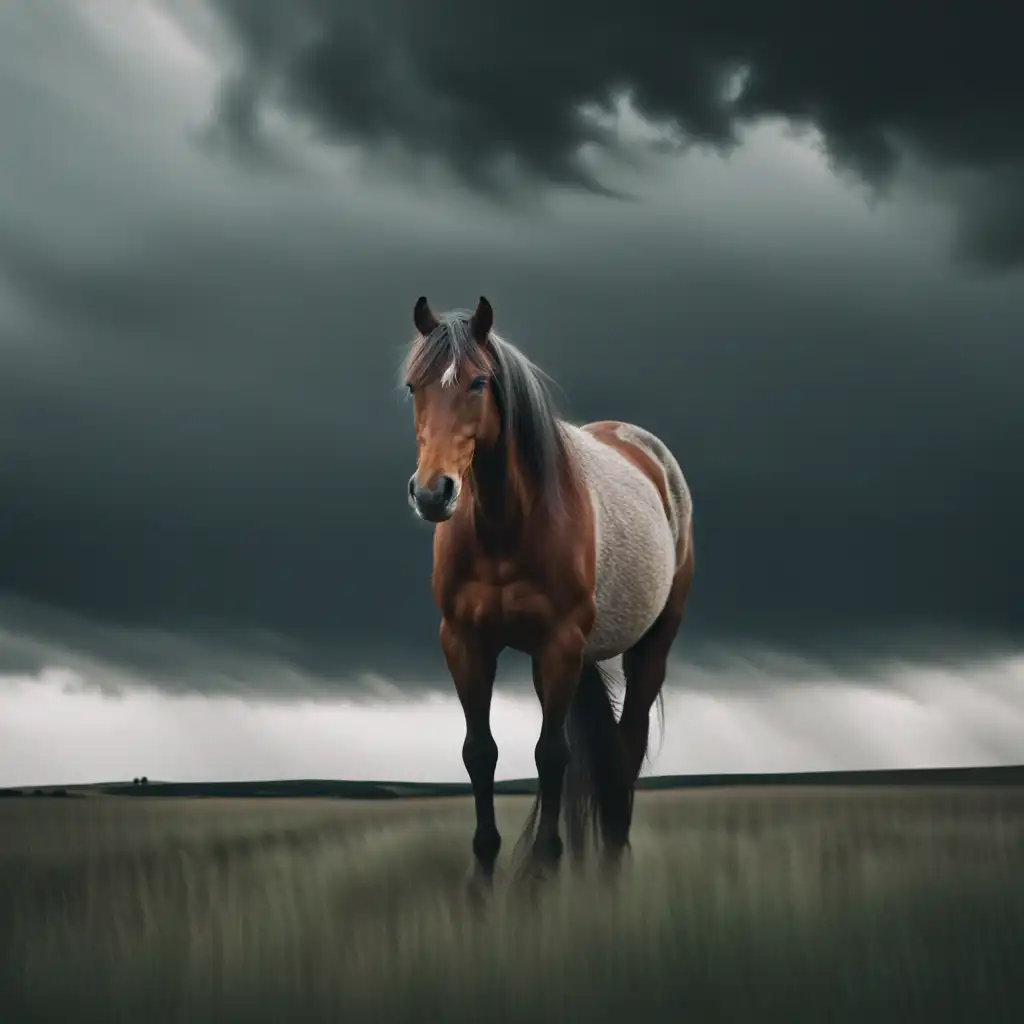
The horse whinnied nervously as the storm started
whinny
ˈwɪni
読み込み中…
ˈwɪni
The sound a horse makes, typically a low, soft noise expressed when it is excited or nervous
The horse whinnied nervously as the storm started
音声を読み込めませんでした。しばらくしてからもう一度お試しください。
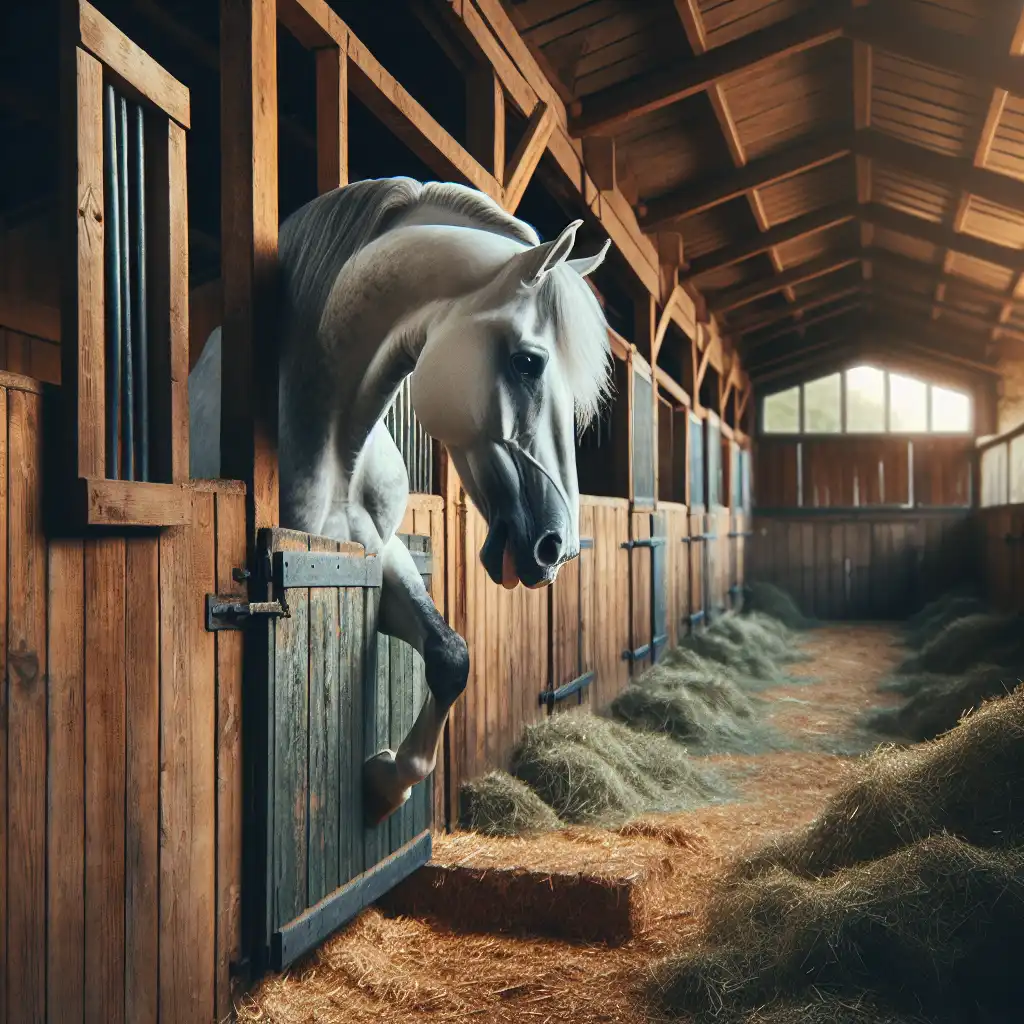
The word 'whinny' is used to describe the sound that a horse makes. It is the high-pitched noise that horses make when they neigh. You can use the word 'whinny' when talking about a horse's behavior or when describing what you heard if you heard a horse make this sound. For example, "The horse whinnied when the rider approached" or "I heard a loud whinny from the stable."
The main difference between the words bellow and whinny is that bellow is a loud, deep, roaring sound made by a large animal such as a bull or an elephant, while whinny is a high-pitched sound made by a horse.
Bellow usually describes the sound made by a large animal, especially when it is angry or aggressive. For example, a bull might bellow when it is in a state of rage, or an elephant might bellow to warn other animals of danger.
Bellow describes the loud roar of a large animal, while whinny describes the high-pitched sound made by a horse.
単語を開く: Bellow →Bleat refers to the sound made by sheep or goats, and is usually a high-pitched, repetitive sound. Whinny refers to the sound made by horses, and is a higher-pitched sound that is similar to a neigh or a nicker.
Bleat is applicable when talking about sheep and goats, while whinny is applicable when talking about horses.
単語を開く: Bleat →Bray is a sound made by a donkey, which is loud and harsh. Whinny is a sound made by a horse or pony, which is high-pitched and usually means they are excited or happy.
If you hear a loud and harsh noise, like a donkey, you would use the word bray. If you hear a high-pitched noise, like a horse, indicating excitement or happiness, you would use the word whinny.
単語を開く: Bray →Moo is the sound that cows make, while whinny is the sound that horses make. Moo is applicable for cows, while whinny is applicable for horses.
単語を開く: Moo →Neigh and whinny are both sounds made by horses, but they have slightly different meanings.
A neigh is a loud and somewhat high-pitched sound that horses make to communicate with each other.
To summarize, horses neigh to communicate and whinny when they are feeling playful. Both words are applicable when describing sounds made by horses, but they have slightly different meanings.
単語を開く: Neigh →Both nicker and whinny refer to noises made by horses, but they are slightly different.
A nicker is more of a soft, low sound that horses make to communicate with each other or to show affection to their owners. It's like a quiet greeting or hello.
You might hear a horse nicker when you approach it with a treat or when a mare greets her foal.
You can use either word to describe a sound made by a horse, but if you want to be specific, nicker is more appropriate for soft, friendly sounds, while whinny is better for loud, high-pitched sounds.
単語を開く: Nicker →Roar is a noise made by an animal that is loud, deep and fierce, like a lion or a tiger.
It is a way for horses to communicate with each other and express emotions such as fear, excitement, and happiness. The main difference between the two words is that roar is used by big predators like lions, tigers, and bears to assert dominance, while whinny is used by horses to express emotions and communicate.
単語を開く: Roar →The genius puppetry...
YouTube で見る ↗In sixth and seventh grade, my two best friends and I pretended to be horses. Every day after school, we would gallop around, whinnying and stamping our hooves and tossing our manes - for hours.
My alter egos have changed a lot over the years. When I was a child, I was a black horse called Storm. Whinnying and jumping over bamboo poles in the garden took up pretty much my entire childhood.
While Obama, the olive-branch poseur, has called for a restoration of 'civility' in Washington and liberal elites whine and whinny about the need for 'no labels,' class-warfare demagoguery has metastasized unchecked.