liveliness
noun liveliness
ˈlaɪvlinəs
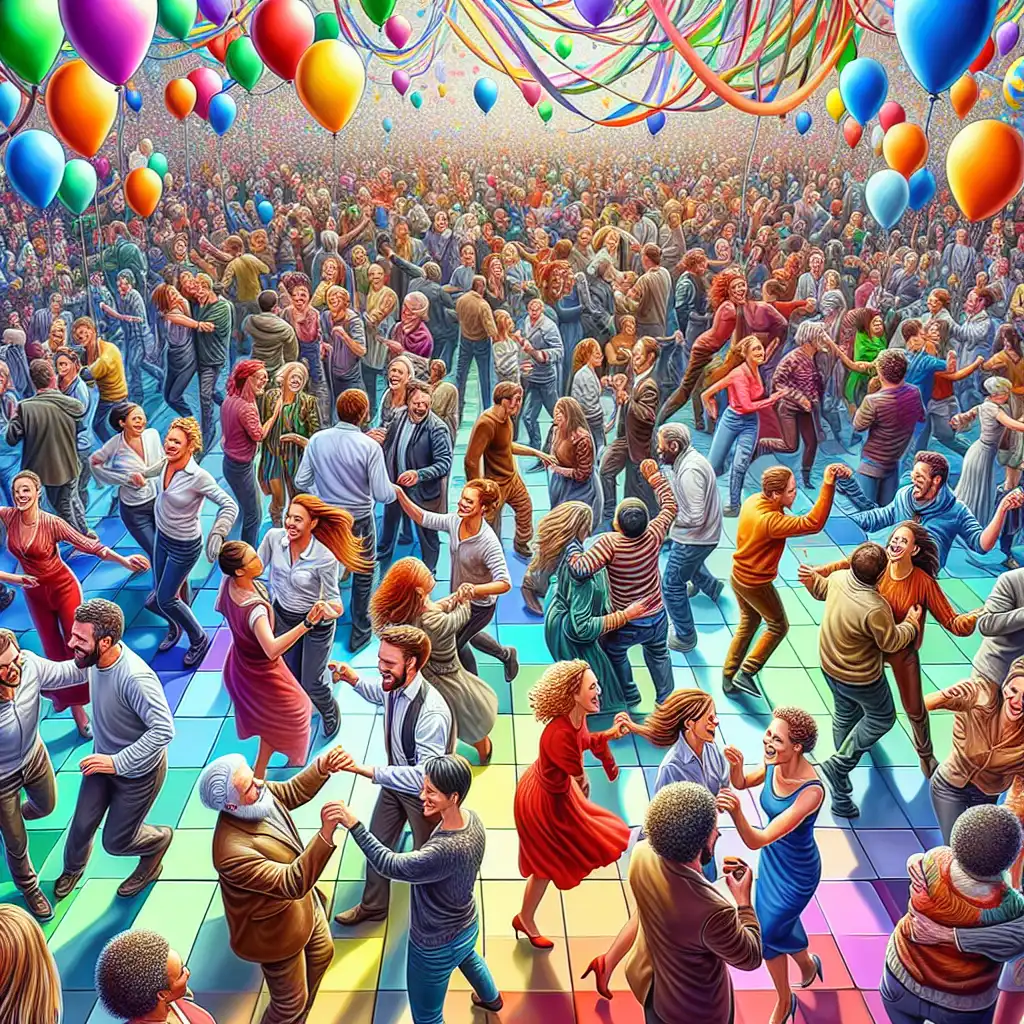
The quality of being full of energy, excitement, and cheerfulness
The party was full of liveliness and excitement.
liveliness
ˈlaɪvlinəs
Cargando…
ˈlaɪvlinəs
The quality of being full of energy, excitement, and cheerfulness
The party was full of liveliness and excitement.
ˈlaɪvlinəs
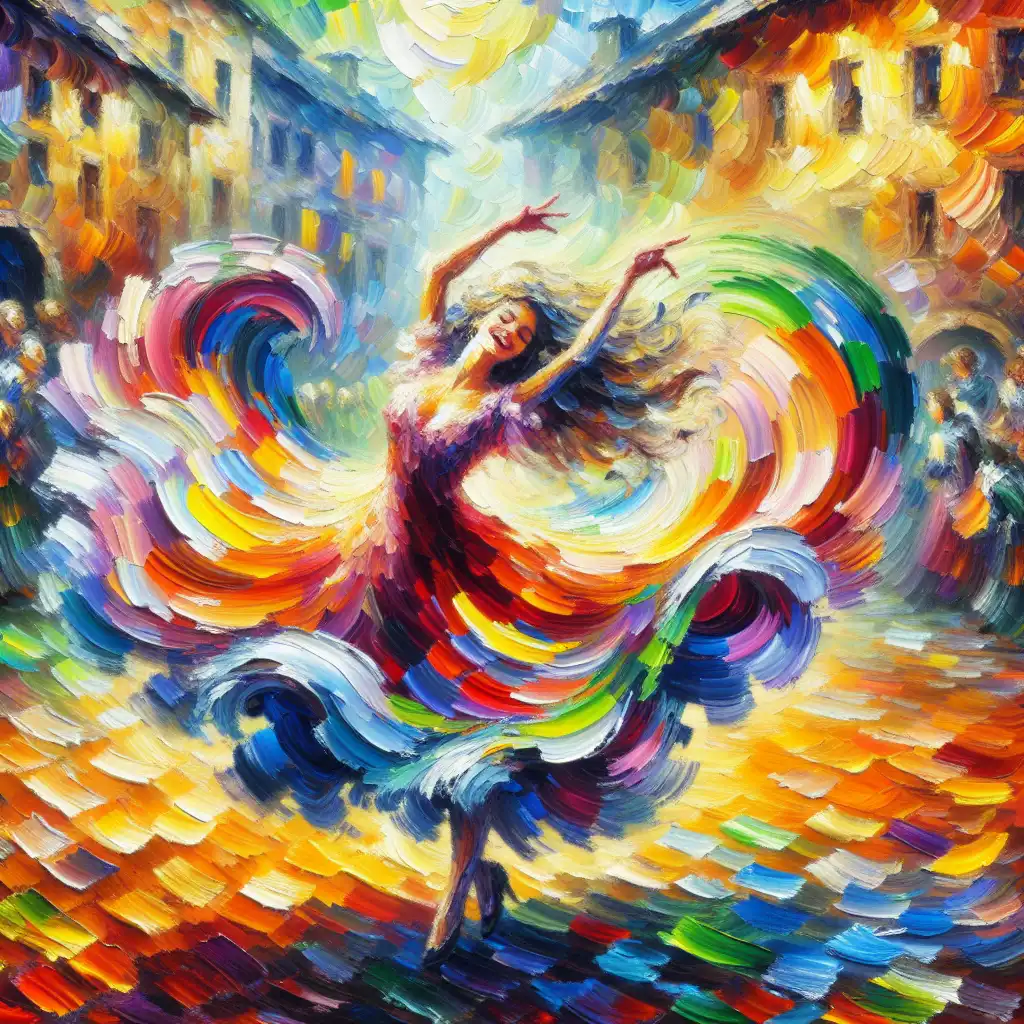
The quality of being active or animated
Her paintings are popular for their liveliness and color.
No se pudo cargar el audio. Inténtalo de nuevo más tarde.
The word "liveliness" refers to the quality of being full of life and energy or having an active and enthusiastic atmosphere. It can be used to describe a party, event or gathering that is full of excitement and energy. It can also be used to describe a person or animal that is energetic, lively, and full of vitality. For example, a young puppy is full of liveliness, while a quiet library is not. You can use the word "liveliness" when you want to describe something that is lively, active or full of life.
Dynamism refers to the energy and motion, particularly in a group or organization, that is directed towards productivity, growth, and progress.
The main difference between dynamism and liveliness is that dynamism are particularly applicable in the context of organizations or groups, while liveliness is used more broadly to describe an individual's qualities or behavior.
Abrir palabra: Dynamism →Energy refers to the capacity of a physical system to do work, whereas liveliness refers to the quality of being full of energy and excitement.
Energy is more commonly used in a scientific or technical context, while liveliness is more often used to describe social or emotional situations.
For example, a battery has energy stored in it, while a party may have liveliness and excitement.
Abrir palabra: Energy →Exuberance means an overflowing of energy, enthusiasm or excitement.
Exuberance is more about intense excitement and enthusiasm while liveliness is more about being active and full of energy.
Abrir palabra: Exuberance →Spirit refers to the attitude, mood or energy of a person or object. It's often used to describe the essence of something, such as its character or personality.
Spirit can be seen as a quality that defines something or makes it unique.
Both words are applicable in different contexts, but liveliness is more suited for describing the physical or active nature of something, while spirit is more appropriate for describing the intangible qualities of something.
For example, a lively party might have a great spirit, meaning that the people there are in high spirits, enthusiastic and having a good time.
A sports team might have a great spirit, meaning that their attitude and camaraderie is what sets them apart and contributes to their success.
Abrir palabra: Spirit →Liveliness and sprightliness both refer to being full of energy and liveliness, but liveliness suggests the energy of action, whereas sprightliness suggests the energy of movement or dance.
Liveliness is applicable in situations where there is a lot of action and activity, while sprightliness is more appropriate for situations that involve movements or dances.
Abrir palabra: Sprightliness →Vigour suggests strength, power, and endurance. It is a quality that describes someone or something that is robust and resilient.
It can describe physical or mental characteristics, like a person with a vigorous personality or a plant that grows with vigour.
Liveliness is about energy and enthusiasm, while vigour is about strength and endurance.
Abrir palabra: Vigour →Vitality refers to the quality of being strong and healthy.
It describes a person's physical or mental state. For example, a person who exercises regularly and eats well can have a lot of vitality.
Both words are applicable in different situations. Liveliness is more commonly used to describe social settings while vitality is more commonly used to describe someone's health.
Abrir palabra: Vitality →Liveliness and vivacity both mean energy and enthusiasm.
However, liveliness has a connotation of being more physically active or animated, while vivacity implies more mental or intellectual energy.
For example, a party may be described as having a lot of liveliness because people are dancing and moving around. A conversation may be described as having a lot of vivacity because the participants are engaged, lively, and intellectually stimulating.
Liveliness is used more to describe physical energy, while vivacity describes mental and intellectual energy.
Abrir palabra: Vivacity →Zest is a feeling of excitement, enthusiasm, and energy for life. This describes an individual's personality or attitude towards activities.
For example, someone who loves to try new things and is always excited about life can be described as having a lot of zest.
In essence, liveliness refers to the external environment while zest refers to the internal state of mind.
Abrir palabra: Zest →Liz Coleman's call to...
Ver en YouTube ↗I think that the best way to explain that is that my mother gave me all the color and character and flare and liveliness, and my father gave me all the sanity and nature and all the things that helped me be a more rounded human being.
I like the spontaneity; I like to just get people together and hit 'record' so hopefully it has got a liveliness about it.
I can tell you what I personally use a camera for. Basically, it is to record a moment. A moment that is vital to give the viewer a sensation of liveliness, sadness, joy and so on.
Irrespective of its size, Greece, with its intellectual heritage and the brilliance of Hellenism, together with the liveliness of its people, can contribute politically, morally and culturally to the realisation of the idea of a united Europe.
Jewish students, by culture and by ability and by the very nature of their liveliness, make a university a much more habitable place in terms of intellectual life.