guerrilla
noun guerrilla
ɡəˈrɪlə
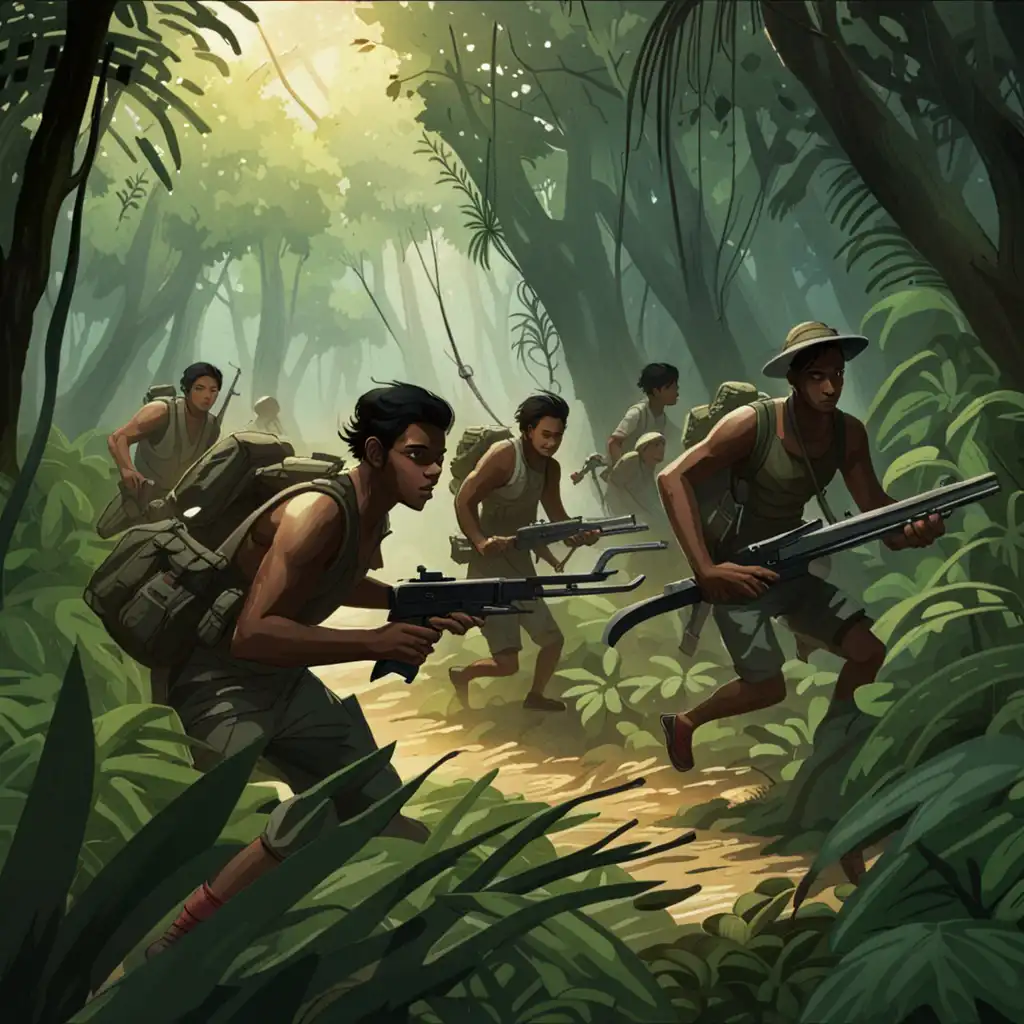
A person who is part of a group that fights against an official army, often in a sudden and secret way.
The guerrillas planned a surprise attack against the enemy at dawn.
guerrilla
ɡəˈrɪlə
Cargando…
ɡəˈrɪlə
A person who is part of a group that fights against an official army, often in a sudden and secret way.
The guerrillas planned a surprise attack against the enemy at dawn.
ɡəˈrɪlə
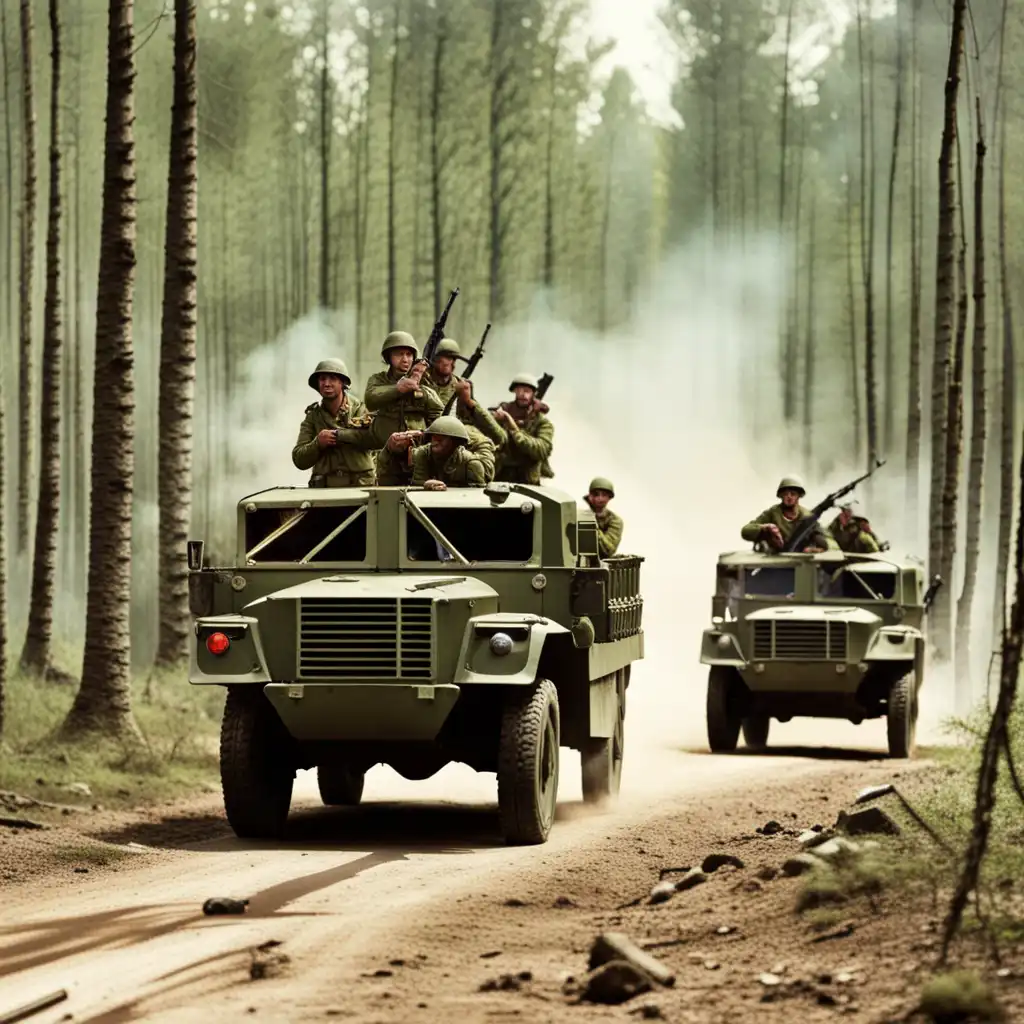
Involving small groups fighting against an official or regular force.
Guerrilla warfare is characterized by surprise raids and ambushes.
ɡəˈrɪlə
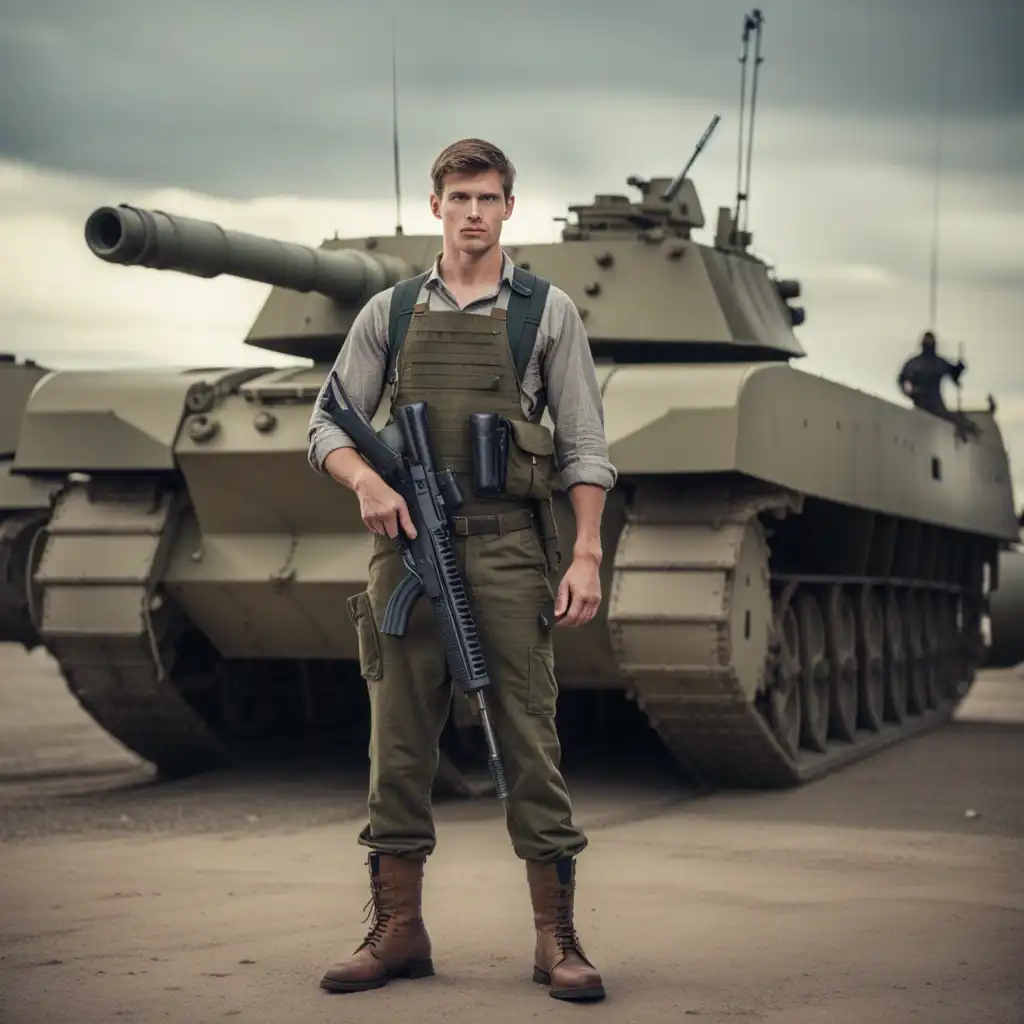
A member of a small independent group taking part in irregular fight, typically against larger regular forces.
Your brother became a guerrilla to fight against the oppressive regime.
ɡəˈrɪlə
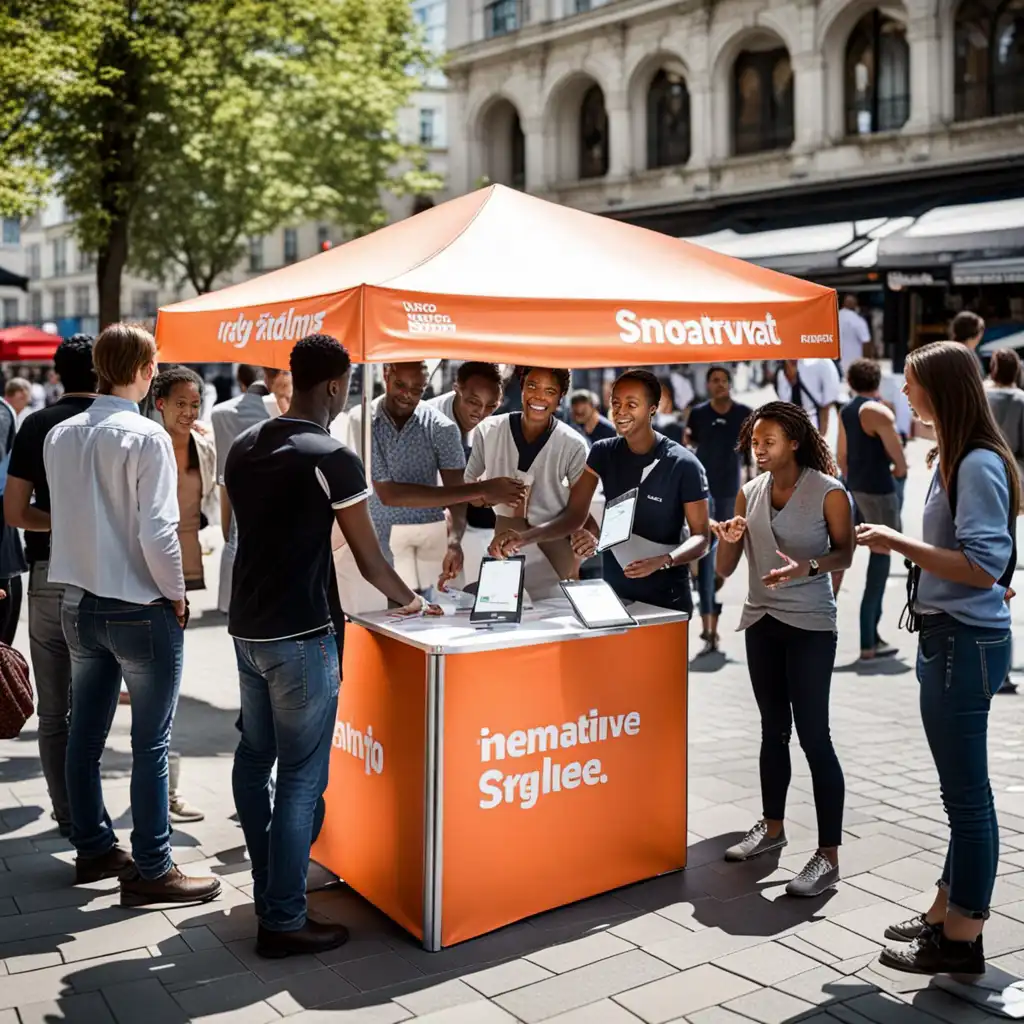
Referring to actions or activities performed in an impromptu way, often without official authorization.
They launched a guerrilla marketing campaign to generate buzz for their new product.
No se pudo cargar el audio. Inténtalo de nuevo más tarde.
The word 'guerrilla' refers to a person or a group that fights in an unconventional or irregular way, often using unconventional tactics like ambushes or sabotage. This word is often used in the context of war or conflict, especially when a group is fighting against a larger, more organized force. The term can also be used more broadly to describe any person or group that operates outside of established norms or rules, such as social or political activists.
A fighter is a term used to describe someone who fights in a war or a battle, often in a formal military setting. They are trained soldiers who wear uniforms and use standard weapons and tactics.
A guerrilla is a fighter who is part of a smaller, more mobile, and often less formally organized group. Guerrillas are known for their use of unconventional tactics, such as ambushes and hit-and-run attacks.
A fighter is a formal, trained soldier who follows a specific set of rules and tactics, while a guerrilla is a more flexible and adaptable fighter who operates using non-traditional tactics in areas where larger forces cannot reach.
Abrir palabra: Fighter →Both guerrilla and insurgent refer to individuals or groups who undertake warfare against a larger, established power.
It's generally accepted that guerrilla warfare is a form of irregular warfare, while insurgent warfare is a form of political warfare.
Insurgents usually have a political agenda, and they try to undermine the government's legitimacy by attacking infrastructure, creating chaos, and recruiting more fighters to their cause.
In summary, while the terms may overlap, the usage of guerrilla or insurgent usually depends on the tactics used and the political motivations of the individual or group.
Abrir palabra: Insurgent →Paramilitary refers to a group of armed individuals who are organized like a military force, but are not part of a nation's official armed forces.
Abrir palabra: Paramilitary →Partisan refers to individuals who fight as part of a larger resistance movement against an occupying force or authoritarian government.
Partisans are usually organized into groups and are often part of a broader political movement seeking revolutionary change.
Partisans may engage in guerrilla warfare tactics, but their overall strategy involves more coordination and political goals than just hitting and running.
Both terms are applicable in situations where there is a power imbalance between opposing sides. Guerrilla warfare may be used by smaller, less-resourced groups in a variety of conflicts, while partisans are typically part of a broader political movement seeking to challenge and overthrow an entrenched regime.
Abrir palabra: Partisan →Rebel refers to someone who openly opposes or resists authority or government. Rebels rise up against the established order in a given society or state, often with the intention of overthrowing it.
Rebels can use a range of tactics, from peaceful protests to violent attacks on state institutions or security forces. Rebels are often motivated by a desire for political change, greater democracy, or social justice.
In short, guerrillas are a specific type of fighter who uses unconventional tactics to disrupt a larger force, whereas rebels are anyone who resist or oppose authority or government.
It's important to remember, however, that in many conflicts, the line between guerrilla and rebel can be blurred or indistinct, and the two terms are sometimes used interchangeably.
Abrir palabra: Rebel →This is called guerrilla warfare. Regular generally refers to something that is normal, consistent, or follows a set pattern, like a regular schedule or a regular army, which is a professional and organized military force.
Guerrilla and regular can be applicable in a variety of contexts, but guerrilla usually describes unconventional or irregular tactics or fighters, while regular describes something that is normal or follows a particular pattern or structure.
Abrir palabra: Regular →Revolutionary, on the other hand, refers more broadly to individuals or groups who seek to effect dramatic and fundamental changes in a society or political system.
While there is some overlap between the two terms (since many guerrilla fighters are also revolutionaries), guerrilla tactics are more narrowly focused on military strategy and combat, while revolutionaries may use a wider range of tactics to achieve their goals, whether military or non-military in nature.
A guerrilla fighter may be a revolutionary, but not all revolutionaries are guerrilla fighters.
Abrir palabra: Revolutionary →and so important and for me very much so exploration is a physical manifestation of geography and what I'd like to take you through is and what I think geography is and what I call guerrilla geography and hopefully maybe inspire some of you to take part in in this
Ver en YouTube ↗The peasant must always be helped technically, economically, morally and culturally. The guerrilla fighter will be a sort of guiding angel who has fallen into the zone, helping the poor always and bothering the rich as little as possible in the first phases of the war.
This secret telephone line helped the rebels stay one step ahead of their pursuers. In addition to reporting news, the radio broadcast educational programs in areas under guerrilla control. Here farmers organized democratic councils to govern themselves,
Ver en YouTube ↗I consider myself to be a guerrilla journalist. Some would call me a provocateur, but I am a journalist who uses ambush and undercover tactics to uncover the truth and expose people for who they truly are.
that the guerrillas created. The third step is very important to me, and it's a gift that I want to give to you.
Ver en YouTube ↗It's always been my dream to just continually do really cool indie movies, character-driven stuff. I would love to do more theater on a larger scale. I'm just excited for the next thing that comes along that I'm salivating over. I think a little more guerrilla would be really exciting to me.
about seeing the world in new ways but also thinking about how people see you in new ways as well my invitation to you is to rethink how you engage with geography to maybe think about becoming a guerrilla geographer - thank you all very much for coming it's wonderful to see you here I'm going to present an
Ver en YouTube ↗I will protect all Colombians regardless of whether the attacks come from guerrillas or paramilitaries.
and it's populated with incredible fauna flora. It's got water; it's got everything to be the perfect place. But we have a few problems. You may have heard of some of them. We have the oldest standing guerrilla in the world.
Ver en YouTube ↗Guerrilla leaders win wars by being paranoid and ruthless. Once they take power, they are expected to abandon those qualities and embrace opposite ones: tolerance, compromise and humility. Almost none manages to do so.
world needs and everyone from the outside has viewed it as this treasure trove and the one thing they seem to have all had in mind is the inconvenience of having people living there being with innocent when we stumbled upon the guerrillas was a beautiful moment
Ver en YouTube ↗Guerrilla war is a kind of war waged by the few but dependent on the support of many.
NEWSCASTER The armed revolutionary forces of Colombia known as the FARC is the most powerful guerrilla group in the country. They control the areas where large amounts of the world's cocaine is produced.
Ver en YouTube ↗I started to make a study of the art of war and revolution and, whilst abroad, underwent a course in military training. If there was to be guerrilla warfare, I wanted to be able to stand and fight with my people and to share the hazards of war with them.
So what your actors studied guerrilla theater at the London Rep? Let me tell you an ancient Chinese Saturday afternoon kung fu secret. Boards don't hit back. You think black entertainers have it hard finding work in this business? I'm a suspicious mulatto,
Ver en YouTube ↗The guerrilla must move amongst the people as a fish swims in the sea.
As news of the rebellion spread, its ranks swelled with escaped slaves, deserting soldiers and hungry peasants. Many were untrained, but Spartacus’s clever tactics transformed them into an effective guerrilla force.
Ver en YouTube ↗I've done a lot of guerrilla theater in my time.
think it's not really about drugs. It's just a subterfuge for advancing the realpolitik interests of the U.S. But by and large that's not it. We don't want gangsters and guerrillas funded with illegal drug money
Ver en YouTube ↗Raising kids is part joy and part guerrilla warfare.