
simile
noun simile
ˈsɪməli
A phrase that compares two things using 'like' or 'as'
Her smile was as bright as the Sun, is an example of a simile.
simile
ˈsɪməli
Chargement…
ˈsɪməli
A phrase that compares two things using 'like' or 'as'
Her smile was as bright as the Sun, is an example of a simile.
ˈsɪməli
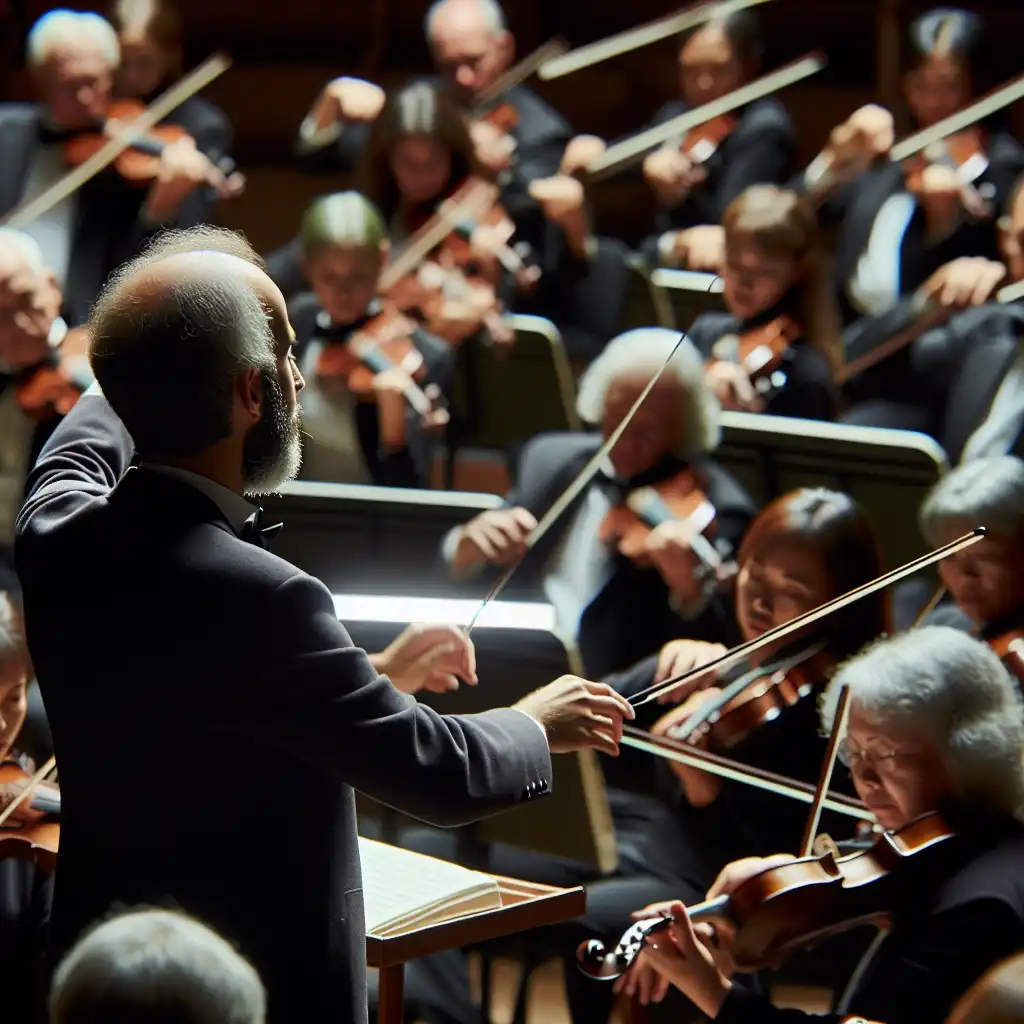
In music, a term indicating that a passage should be played in a similar style to the previous passage
The composer used 'simile' to instruct the orchestra to continue playing softly.
Impossible de charger l’audio. Réessayez plus tard.
A simile is a figure of speech used to compare two things using the words 'like' or 'as'. It helps to make comparisons more vivid and interesting. For example, "Her smile is like sunshine" or "He ran like a cheetah." Similes are often used in literature and poetry to create colorful descriptions.
An allegory is a type of story or poem in which the characters, settings, and events represent abstract or moral concepts.
For example, "Animal Farm" by George Orwell is an allegory in which the farm animals represent different people or groups in society, and their struggles and conflicts represent larger political and social issues.
An allegory is a larger work that uses symbolism to convey deeper meanings or messages, while a simile is a smaller figure of speech used to make a comparison.
Ouvrir le mot: Allegory →An analogy is a comparison between two things that are meant to show how they are similar. It is a way of explaining something complex by comparing it to something more familiar.
The main difference between the two is that an analogy compares two things to show how they are similar, while a simile makes a direct comparison between two things that are not the same.
Analogies are used to explain or clarify something, whereas similes are used to add creative flair to writing or speech.
Ouvrir le mot: Analogy →Comparison is a broad term used to describe the act of looking at similarities or differences between two or more things.
It can include any kind of comparison, such as analyzing data sets, discussing characteristics of different animals, or comparing the styles of different artists.
Simile, on the other hand, is a specific type of comparison that uses the words "like" or "as" to make a comparison between two things.
So, while comparison can refer to any type of analysis looking at similarities and differences, simile specifically refers to a type of comparison using the words "like" or "as."
Ouvrir le mot: Comparison →Correspondence means a relationship or connection between things or people that are similar or related to each other in some way.
It is often used to describe how two things or people are associated with each other, such as correspondence between historical events, or correspondence between two people who share similar interests.
Correspondence describes a relationship or connection between two things or people, while simile is a literary device that compares two things using "like" or "as".
Ouvrir le mot: Correspondence →Equivalence refers to things that are equal in value or meaning. For example, if I say "a dollar is equivalent to 100 cents," I mean that a dollar and 100 cents are the same thing, just expressed differently.
While equivalence is used to show sameness or equality, simile is a way to create visual or sensory comparisons between different things.
Ouvrir le mot: Equivalence →Like is used to say that two things are similar. For example, "The sky looks like a blue ocean." You're saying that the way the sky looks is similar to the way the ocean looks.
A simile is a figure of speech used to compare two things using the words like or 'as.' For example, "Her eyes are like diamonds." You're comparing her eyes to diamonds and saying they share a common trait or characteristic.
The difference is that like is simply stating that two things are similar while a simile is a specific type of comparison that uses the words like or 'as' to draw a connection between two things.
Ouvrir le mot: Like →A metaphor is a figure of speech that describes something as if it is something else. For example, "She is a shining star." In this sentence, the girl is being compared to a star without using the words "like" or "as.".
Both metaphors and similes are used to make comparisons in writing and speech.
However, a metaphor is more direct and does not use the words "like" or "as," while a simile uses those words to make the comparison more explicit.
Ouvrir le mot: Metaphor →Parallel refers to two things that are running alongside each other in the same direction, without intersecting.
For example, two parallel lines never meet. Simile refers to a figure of speech that compares two things using the words 'like' or 'as'.
Parallel describes physical objects or concepts that are related to each other and have a similar direction or trajectory.
Ouvrir le mot: Parallel →The art of the metaphor...
Voir sur YouTube ↗Since my woman's world is perceived greatly through the emotions and the senses, I treat it that way in my writing - and am often overweighted with heavy descriptive passages and a kaleidoscope of similes.
Marco Tempest: A magical...
Voir sur YouTube ↗Stripped of its plot, the 'Iliad' is a scattering of names and biographies of ordinary soldiers: men who trip over their shields, lose their courage or miss their wives. In addition to these, there is a cast of anonymous people: the farmers, walkers, mothers, neighbours who inhabit its similes.
A Story of Community and...
Voir sur YouTube ↗Ray Bradbury taught me the importance of metaphor and simile and poetic style.
In argument similes are like songs in love; they describe much, but prove nothing.
If you're gonna use simile, analogy, metaphor, be descriptive and have some flowery adjectives and a few odd nouns and some engaging bits of dialogue or sentiment, then you're sort of writing a novel, really. But rock lyrics are not really known for their sophistication.
The simile has to match the tone of its surroundings and has to be like a little joke. Writing a simile that isn't funny on some level is quite hard.
The beautiful part of writing is that you don't have to get it right the first time, unlike, say, a brain surgeon. You can always do it better, find the exact word, the apt phrase, the leaping simile.
Similes prove nothing, but yet greatly lighten and relieve the tedium of argument.
Human beings, you see, do absolutely two primary things. We see like and unlike. Like becomes, in literature, simile and metaphor. Unlike becomes uniqueness and difference, from which I believe, the novel is born.
Death, the real simile for disease - for when we are ill, do we not always feel like we are dying, even if it's only a little? - remains, despite our secularism, the most metaphoricised phenomenon of all.