
bis
adverb bis
bɪs
Twice or two times
The concert was so good, the audience shouted 'bis!' to request the performer to repeat the song.
bis
bɪs
読み込み中…
bɪs
Twice or two times
The concert was so good, the audience shouted 'bis!' to request the performer to repeat the song.
bɪs
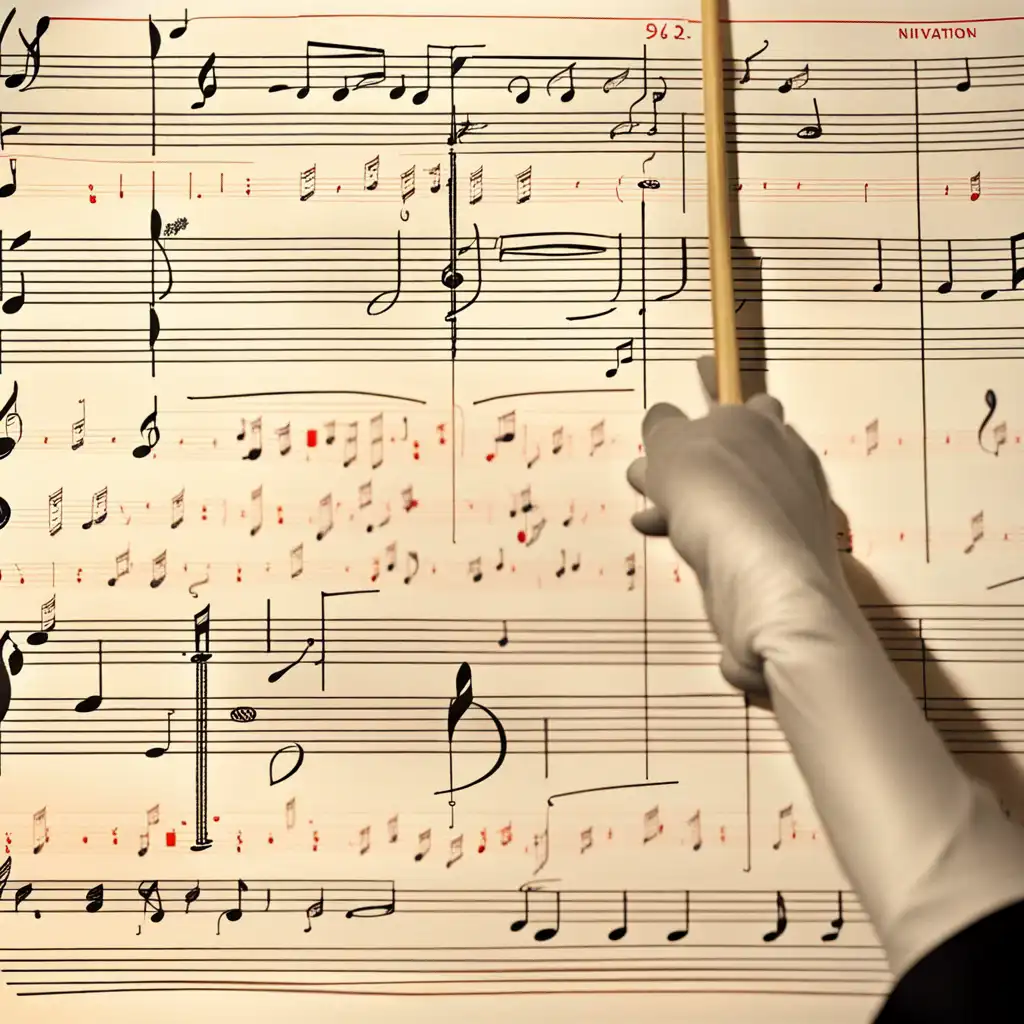
A term used in music notation indicating that a passage should be repeated
The composer marked the page with a 'bis' to show the musicians where to repeat.

bɪs
A term used in some European countries, particularly France, to indicate a secondary home or apartment
I'm staying at my bis in the countryside for the weekend.
bɪs
A term used in the comic book industry to indicate a remake or alternate version of an existing comic book issue
The bis edition of the comic book includes alternate covers and additional content.
音声を読み込めませんでした。しばらくしてからもう一度お試しください。
'Bis' is a Latin word that means 'twice'. In German, it is used as a preposition to indicate that something is repeated. For example, if you want to say 'I will come back in a minute' and want to emphasize that you are coming back for the second time, you would say 'Ich komme in einer Minute wieder bis gleich', which means 'I will come back in a minute, see you again soon'. It can also be used in sentences like 'Ich esse bis zum Ende' (I eat until the end) or 'Ich arbeite bis spät' (I work until late). In these cases, 'bis' indicates a limit or endpoint.
Both again and bis mean 'repeatedly'.
However, again is typically used to indicate a repetition of an action, while bis is used to indicate a repetition of an item or object.
For example, "I will try again" means repeating the action of attempting something, while "I ordered pizza bis" means ordering the same type of pizza again.
Bis is mostly used in formal contexts, whereas again is more commonly used in everyday conversations.
単語を開く: Again →Both refers to two things simultaneously. It is commonly used when talking about two people or things that are being compared or contrasted, such as "Both John and Jane are going to the party.".
Bis refers to something happening twice while both refers to two things simultaneously. They are used in different contexts depending on what you are trying to say.
単語を開く: Both →Both bis and couple refer to two things or people, but they have different uses.
Couple, on the other hand, means "two" or "a pair" in English and is used to refer to two things or people that are related or connected in some way.
For instance, you might say "I saw a couple of birds in the sky," which means you saw two birds flying together.
Bis is used to indicate repetition while couple is used to refer to pairs or twosomes.
単語を開く: Couple →Double, on the other hand, means "having two parts or aspects" or "twice as much or many."
It can be used in a variety of contexts, such as when ordering food and asking for a double portion, or in math when calculating double the amount of something.
Bis is used specifically in music to indicate repetition, while double can be used more broadly to indicate multiplication, repetition, or a doubling of quantity or parts.
単語を開く: Double →Bis means "two times" or "twice." For example, "bisect" means to cut something into two equal parts. Dual, on the other hand, means "consisting of two parts." For example, a car with dual exhausts means it has two separate pipes for the exhaust system.
Bis refers to the quantity of two, while dual refers to the fact that something is composed of two parts.
単語を開く: Dual →Bis is a Latin word that means 'twice' or 'two times', whereas in pairs means 'two things that are put together'.
We use bis when we want to express that something is happening or being done twice. For example, "I brushed my teeth twice yesterday.".
We use in pairs when we want to say that two things are being used or put together at the same time. For example, "The socks are sold in pairs, meaning you get two of them.".
So, while both words mean 'two', bis refers more to the action of something being done twice, while in pairs refers to an actual pair of things.
単語を開く: In pairs →Simultaneous refers to two or more things happening at the same time. For example, "The two teams played their games simultaneously" means that both teams played their games at the same time.
Bis is applicable when referring to frequency or repetition, while simultaneous is useful when referring to things happening at the same time.
単語を開く: Simultaneous →Both bis and twice mean 'two times'.
Twice is an English word and is used in everyday language to indicate the repetition of an action or event.
For instance, you can say "I brushed my teeth twice today" or "The movie was shown twice in a week".
Essentially, bis would be used in formal contexts while twice would be used informally.
単語を開く: Twice →Creating a Bio-Industrial...
YouTube で見る ↗