
decorum
noun decorum
dɪˈkɔːrəm
Behaviour that is controlled, calm, and polite.
Even in a heated argument, it's important to maintain your decorum.
decorum
dɪˈkɔːrəm
Đang tải…
dɪˈkɔːrəm
Behaviour that is controlled, calm, and polite.
Even in a heated argument, it's important to maintain your decorum.

dɪˈkɔːrəm
The way something is done that is agreed upon by people and is proper and suitable.
There are certain decorums to be followed when attending a funeral.
dɪˈkɔːrəm
A requirement of correct behaviour in a certain situation or context.
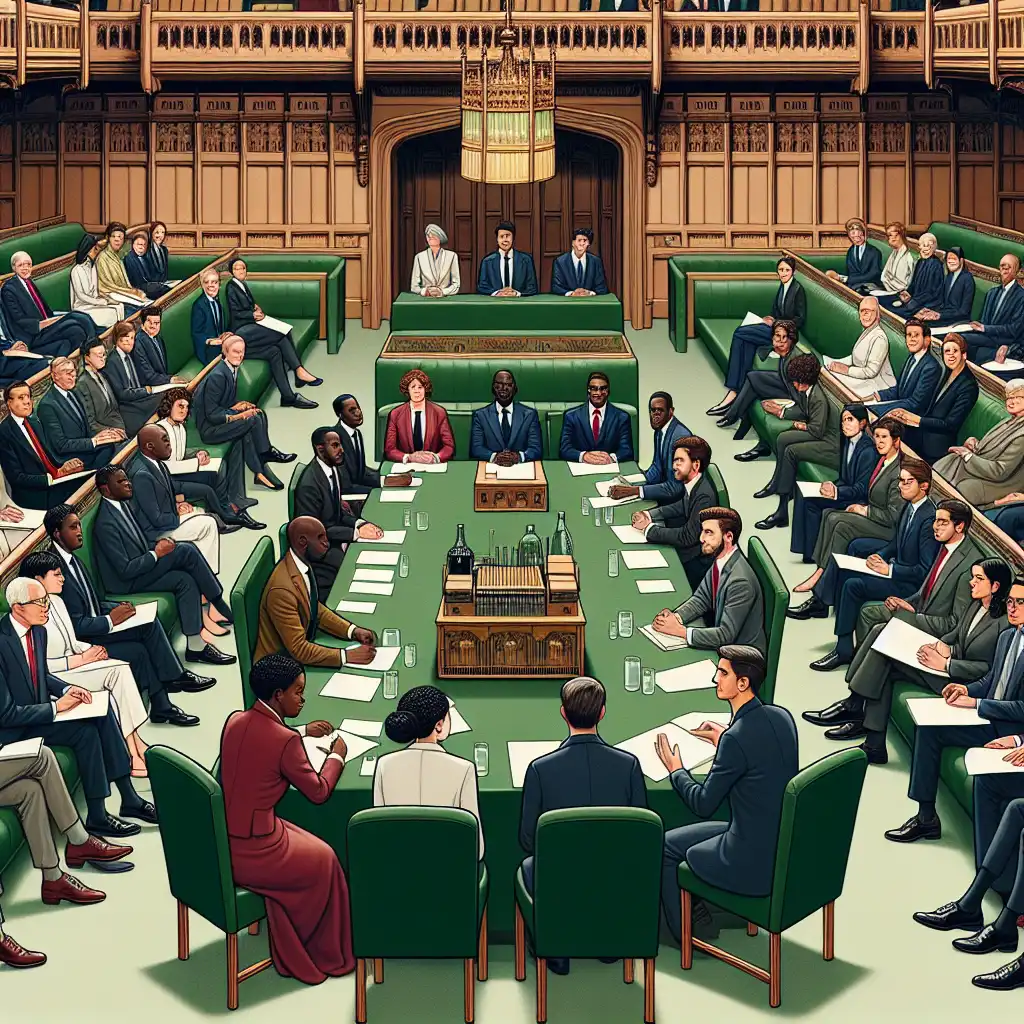
The parliamentary decorum has to be upheld by all members.
Không tải được âm thanh. Vui lòng thử lại sau.
Decorum means the behavior that is proper and acceptable in a particular situation or place. We use this word when we talk about behaving in a respectful and appropriate way, especially in formal settings such as in a workplace or a social gathering. It’s important to maintain decorum to be respectful towards others, to avoid causing offense or embarrassment, and to display professionalism.
Civility means showing politeness and respect towards others, especially strangers or people who may have different views.
Civility is about showing respect and kindness towards others in any situation, while decorum is about following established rules and etiquette in formal situations.
Mở từ: Civility →Courtesy refers to showing politeness and consideration towards others, such as saying please and thank you or holding the door open for someone.
Courtesy is about being polite and considerate towards others in everyday situations, while decorum is about behaving in a proper and respectable way in more formal or professional settings.
Mở từ: Courtesy →Decorum refers to the appropriate behavior or conduct in a given situation, while etiquette refers to the rules and conventions of polite behavior in society, often related to social interactions and ceremonies.
Etiquette might refer to how to properly greet someone, set a table for dinner, or send a thank you note.
Both decorum and etiquette are important in different aspects of life, and it's important to understand and follow them to show respect and consideration for others.
Mở từ: Etiquette →Formality refers to the level of strictness and adherence to rules and conventions in a particular event or situation.
In simpler terms, decorum is about how one behaves and conducts themselves, while formality is more about following certain rules and adhering to specific protocols.
Decorum is applicable in various social situations irrespective of the level of formality, while formality is specifically applicable in formal settings.
Mở từ: Formality →Polite refers to behavior that shows respect, consideration, and kindness towards others. It involves using courteous language and showing good manners.
Polite behavior is applicable in any setting, whether informal or formal, and is an essential part of interpersonal communication.
Decorum is tied to societal norms and conventions governing behavior in a specific setting, while being polite is about being considerate to others, regardless of the context.
Mở từ: Polite →Propriety refers to the state of being appropriate, fitting, or suitable for a particular situation or occasion. It relates more to the nature of the situation or activity and what is suitable or expected in that situation.
Decorum is more about how to behave, while propriety is about what is appropriate for a particular situation. Both are important in maintaining proper social conduct and can be applied in various settings, such as in schools, workplaces, and social events.
Mở từ: Propriety →Protocol refers to a set of rules or guidelines for official events, ceremonies or procedures such as diplomatic negotiations or formal gatherings.
Decorum is more about social expectations and manners, while protocol is more about specific rules for official situations.
Mở từ: Protocol →Decorum refers to the behavior that is appropriate in a particular situation or environment, whereas respectability refers to the quality of being seen as respectable or worthy of respect.
Decorum is more focused on appropriate behavior, while respectability is more focused on reputation or perception.
Respectability would be applicable in situations where someone's reputation or character is being judged, such as when applying for a job or running for office.
In essence, decorum is about following the rules of behavior in a particular situation, while respectability is about being seen as a person of good reputation and character.
Mở từ: Respectability →wrote an editorial and sided with decorum. And they argued that officials should be allowed to dine in peace. "You know the wall is the real incivility here. The tear-gassing of kids the separation of families." That's what the protestors say.
Xem trên YouTube ↗Observe decorum, and it will open a path to morality.
think my ear is about to bleed with the amount of talking I've had to deal with today go hey James not James's fault James's first time I've heard him on the radio so we don't blame James with this game but everybody else has been shouting and carrying on and there's been no decorum today and there needs to be some lessons taught I think so I'm
Xem trên YouTube ↗Let them cant about decorum, Who have characters to lose!
Presidents should do whatever possible and practical to encourage an environment of cooperation and bipartisanship. And they should maintain a certain level of decorum, diplomacy and decency. But, at the end of the day, presidents get elected to enact change.
Oftentimes, if you're talking to a seasoned interviewer who asks you a question, they may do a follow-up if they didn't quite get it. It's rare that they'll do a third or fourth or fifth or sixth follow-up, because there's an implicit, agreed-upon decorum that they move on. Kids don't necessarily move on if they don't get it.
Necessity dispenseth with decorum.
A film has to maintain a certain decorum in order to be broadcast to a vast audience.
I'm a CEO of a public company. You have to show decorum.
I have no limits, no filter, no class, no poise. No decorum. Just fun.
Every man has his moral backside which he refrains from showing unless he has to and keeps covered as long as possible with the trousers of decorum.
It is important that the decorum and dignity of the House is upheld at all times. The image of Parliament in the public mind should be one where proceedings, debates and discussions take place with a view to resolve issues through a constructive and co-operative approach.