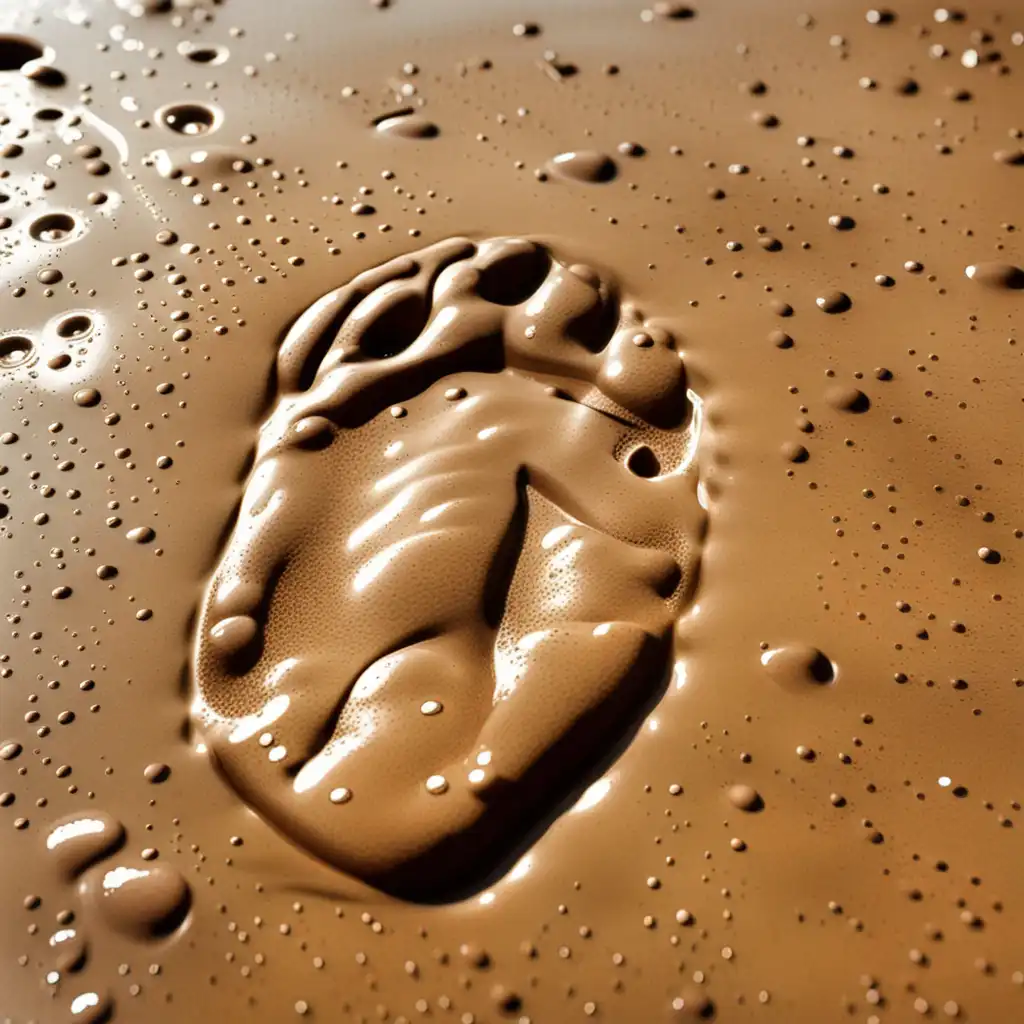
squashy
adjective squashy
ˈskwɑːʃi
Something soft and easily crushed or changed shape
The ground was squashy and wet after the rain.
squashy
ˈskwɑːʃi
Cargando…
ˈskwɑːʃi
Something soft and easily crushed or changed shape
The ground was squashy and wet after the rain.

ˈskwɑːʃi
Something overly sentimental or mushy
She gave him a big, squashy hug.
No se pudo cargar el audio. Inténtalo de nuevo más tarde.
The word 'squashy' is used to describe something that is soft and can be easily pressed inward. For example, a pillow, a sponge or a marshmallow can be described as 'squashy'. It is a casual word and is used most commonly in informal conversations.
Dough describes a mixture of flour, water, and other ingredients that is used to make bread, pastry, or other baked goods.
Dough is applicable in the context of baking and cooking, while squashy can describe physical characteristics of objects or materials.
Abrir palabra: Dough →Flaccid means lacking firmness and strength, while the word squashy means soft and easily crushed.
Flaccid usually describes something that is limp or floppy, such as a plant or a muscle that has lost its tone.
It can also describe something that lacks vigor or vitality, such as a flaccid economy.
Flaccid describes something that lacks firmness or strength, while squashy describes something that is soft and easily flattened.
Abrir palabra: Flaccid →Flexible means something is able to bend easily without breaking, while squashy means something can be easily squeezed or flattened.
Flexible is applicable in situations where objects or materials need to be able to bend or move without breaking. For example, a flexible rubber band can stretch without snapping.
Flexible refers to the ability to bend or move without breaking, while squashy refers to the ability to be compressed or squeezed.
Abrir palabra: Flexible →Both mushy and squashy describe softness, but mushy usually describes something that is soft and wet, like overcooked pasta or a soggy sandwich, while squashy describes something that is soft and easily flattened, like a ripe tomato or a half-deflated ball.
Mushy is applicable to things that are moist and pulpy, while squashy is applicable to things that can be easily deformed or compressed.
Abrir palabra: Mushy →Soft describes something that is comfortable to touch and does not cause any discomfort or pain.
It can also mean something that is easily molded or changed in shape. For example, a pillow or a blanket can be described as soft.
Soft describes something that is comfortable to touch, while squashy describes something that gives way easily when pressure is applied to it.
Abrir palabra: Soft →Both words suggest a soft and yielding texture, but spongy implies a texture similar to that of a sponge, which is filled with air pockets, while squashy suggests a texture that can be easily compressed or flattened, almost like squash or a cushion.
Spongy is applicable for things like foam or bread and squashy is applicable for things like cushions or a couch.
Abrir palabra: Spongy →Yield means to give way or surrender to force or pressure.
Squashy is applicable when talking about texture or feel of something that can be compressed, while yield is applicable when describing how an object behaves under external pressure or force.
Abrir palabra: Yield →