ruddy
adjective ruddy
ˈrʌdi
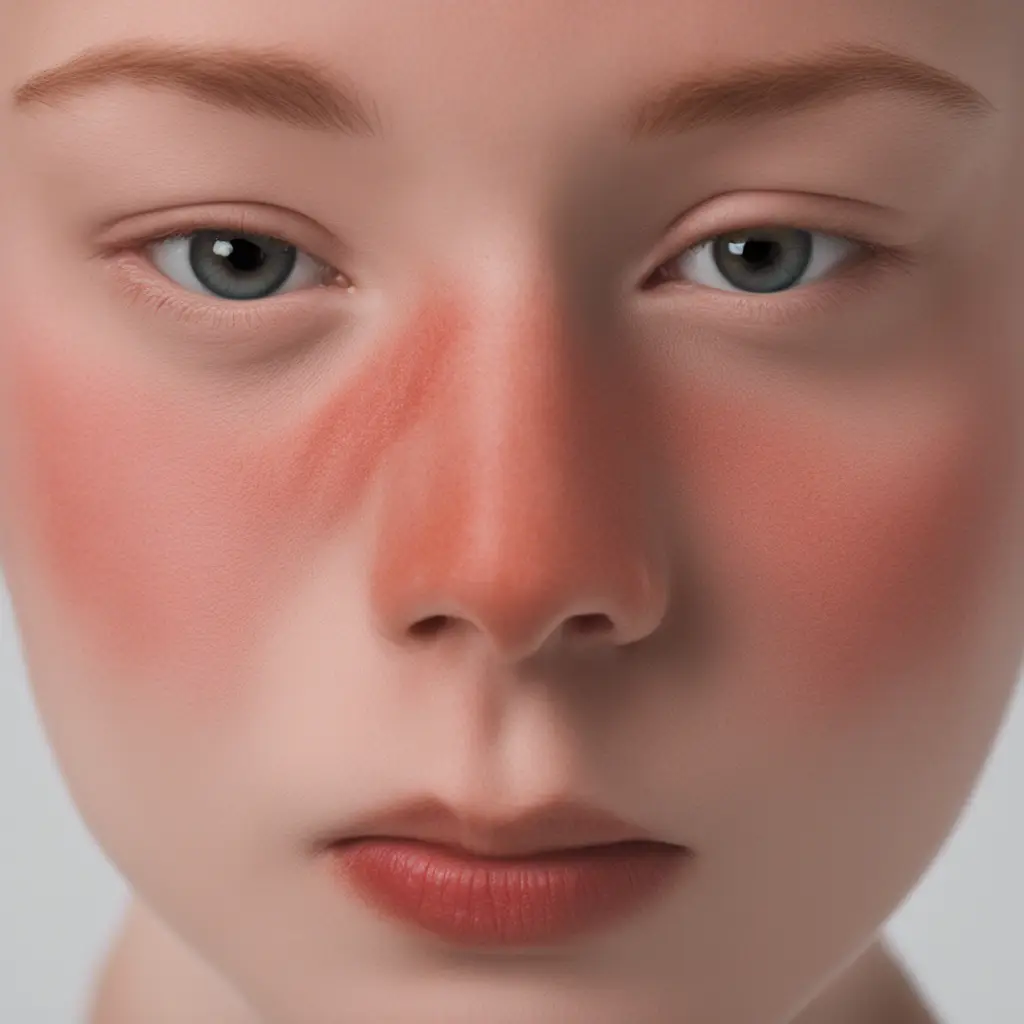
Having a red color, often used to describe someone's face
After a day at the beach, her face was ruddy from the sun.
ruddy
ˈrʌdi
読み込み中…
ˈrʌdi
Having a red color, often used to describe someone's face
After a day at the beach, her face was ruddy from the sun.

ˈrʌdi
More commonly in British English, used as a mild swearing word to show that you are annoyed
Get that ruddy dog off the sofa!

音声を読み込めませんでした。しばらくしてからもう一度お試しください。
The word 'ruddy' is an informal word used to describe the color red, especially when referring to someone's skin. For example, if someone has red cheeks because they are embarrassed, you could say "his cheeks were ruddy". It can also be used to express annoyance or emphasis, like saying "that ruddy traffic jam". However, it is important to note that 'ruddy' is considered mildly offensive or vulgar in some contexts, so it is best to use it sparingly and in the appropriate situations.
Blush refers specifically to the rosy color that appears on one's face when they are embarrassed, ashamed, or shy. Ruddy refers to a more general redness in someone's complexion, often indicating good health, high energy, or sun exposure.
Blush is applicable in situations where someone is feeling self-conscious or emotional and their face becomes red, while ruddy can describe someone's regular skin tone or their appearance after exercise or being out in the sun for a while.
単語を開く: Blush →Cheeky describes someone who is being playful or somewhat disrespectful in a humorous way. For example, if someone makes a joke at their teacher's expense in class, it could be considered cheeky.
Cheeky refers to behavior while ruddy describes a color.
単語を開く: Cheeky →Felicitous means well-suited or appropriate, while ruddy means having a reddish color.
Felicitous usually describes something that is fitting or appropriate in a certain situation. For example, "The speaker's felicitous words helped to ease the tension in the room.".
Felicitous is more about suitability, while ruddy is more about appearance or color.
単語を開く: Felicitous →Flush and ruddy are both adjectives that describe the color of someone's skin.
Flush typically refers to a temporary reddening of the face due to increased blood flow or emotions like embarrassment, anger or excitement.
For example, after running a marathon, a person's face may look flush.
Flush is a temporary reddening, while ruddy is a permanent or long-lasting reddish complexion.
単語を開く: Flush →Radiant refers to something that is emitting or reflecting light or joy. It's often used to describe a person's smile or a sunny day.
So, simply put, radiant is about emitting light or joy, while ruddy is about having a healthy reddish complexion. They are both used to describe a person, but in different ways.
単語を開く: Radiant →Both red and ruddy refer to a reddish hue or color.
However, red is a more general term for the color, and is applicable in a wide range of contexts. For example, a red apple or a red shirt would be described as red.
Ruddy is a more specific term and usually describes the complexion of someone's skin. It refers to a healthy reddish color, often seen on people who spend a lot of time outdoors or who are in good health.
Red is a more general term while ruddy is more specific and primarily used to describe the complexion of someone's skin.
単語を開く: Red →Rosy describes a pink or reddish color that is usually seen in someone's cheeks. It gives the impression of good health, happiness, or a youthful appearance.
Rosy is typically used to describe a light or soft shade of pink or red, while ruddy describes a deeper or brighter shade of red.
Both words can describe someone's complexion, but rosy is more commonly used to describe a healthy, happy appearance while ruddy is often used to describe a flushed, sun-kissed look.
単語を開く: Rosy →Sanguine usually refers to a positive or optimistic attitude or outlook on life.
It can also mean having a healthy, robust, or reddish complexion, but this is a secondary meaning. Sanguine is more applicable when describing someone's temperament or personality, while ruddy is more applicable when describing physical color or complexion.
単語を開く: Sanguine →old ruddy jungle comes to a standstill it's not even cold yesterday they said it was too cold to snow what does that even mean they must have known it was coming where are the gritters that's what i want to know it comes every year
YouTube で見る ↗We love the sight of the brown and ruddy earth; it is the color of life, while a snow-covered plain is the face of death. Yet snow is but the mask of the life-giving rain; it, too, is the friend of man, the tender, sculpturesque, immaculate, warming, fertilizing snow.
For instance most of the birds in this picture are migratory birds. They were all on the Gulf in May, while oil was starting to come ashore in certain places. Down on the lower left there are ruddy turnstones and sanderlings. They breed in the High Arctic,
YouTube で見る ↗I think if you're 50 you just ruddy say it.
do that's photographer ruddy roy talking about reggae icon bob marley so he wants to find your vibration and it's the
YouTube で見る ↗The sweet quality is set opposite to the bitter, and is a gracious, amiable, blessed and pleasant quality, a refreshing of the life, an allaying of the fierceness. It maketh all pleasant and friendly in every creature; it maketh the vegetables of the earth fragrant and of good taste, affording fair, yellow, white and ruddy colours.
It was a rich and gorgeous sunset - an American sunset; and the ruddy glow of the sky was reflected from some extensive pools of water among the shadowy copses in the meadow below.
The Bake Off' taps into nostalgic feelings about your mum baking in the kitchen. It's a big ruddy comfort blanket, and you get attached to the bakers. It also genuinely has a good heart.
I love performing in front of a live audience and just stepping out in front of ruddy Royal Albert Hall is just something, I can't describe it.