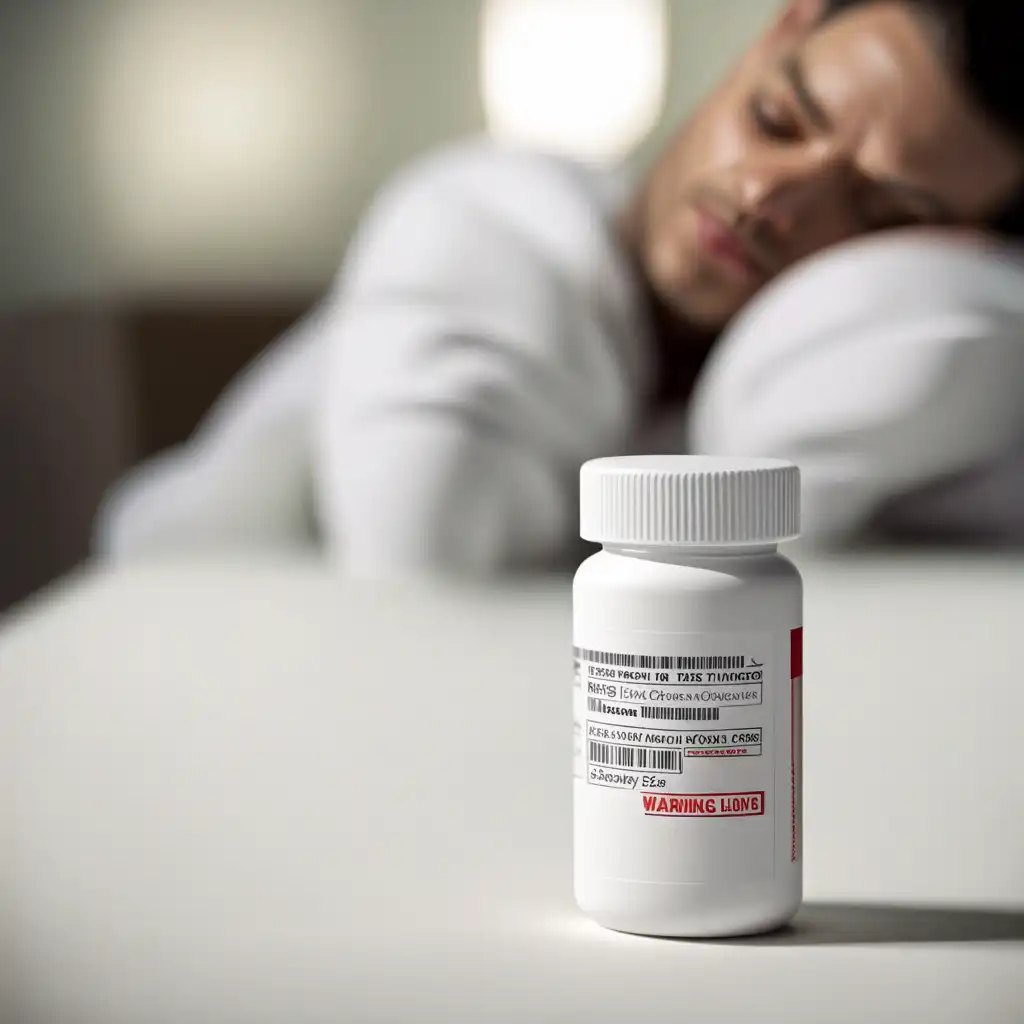
drowsiness
noun drowsiness
ˈdraʊzinəs
A state of feeling sleepy or tired
The medication can cause drowsiness, so do not drive after taking it.
drowsiness
ˈdraʊzinəs
Loading…
ˈdraʊzinəs
A state of feeling sleepy or tired
The medication can cause drowsiness, so do not drive after taking it.

ˈdraʊzinəs
The quality of being slow, sluggish, or indifferent
His constant drowsiness was a sign of depression.
Audio could not be loaded. Please try again later.
Drowsiness means feeling sleepy or tired. You may feel drowsy when you haven't gotten enough sleep or when you're bored. It's important to recognize drowsiness, especially when driving or operating heavy machinery, as it can lead to accidents. If you feel drowsy, it's best to rest or take a nap to avoid any risk of harm.
It is usually caused by lack of sleep or the use of medication. Fatigue is a feeling of tiredness or weakness that is usually caused by physical or mental exertion.
It means being exhausted and lacking energy to do things. Drowsiness is applicable when someone needs rest or sleep whereas fatigue is applicable after a lot of work or physical activity.
Open word: Fatigue →Heaviness refers to a feeling of weight or pressure, either physically or metaphorically.
So, while drowsiness refers to a need for rest or sleep, heaviness can refer to a physical or emotional sensation of weight or pressure.
Open word: Heaviness →Inertia refers to the tendency of an object to remain at rest or in motion without any external force acting upon it. It is applicable in physics or when describing someone who is unresponsive or shows a lack of interest or motivation to take action.
Simply put, drowsiness is a physical feeling of tiredness while inertia is a state of being unmotivated to take action.
Open word: Inertia →Lethargy is a state of extreme sluggishness or weariness. It implies a severe lack of energy or motivation to do anything.
A person may feel listless, unresponsive to stimuli, and unable to perform tasks that they could have done with ease, which indicates a state of lethargy.
Drowsiness is a lighter form of feeling sleepy, while lethargy is a more severe state of feeling tired that goes beyond just feeling sleepy.
Open word: Lethargy →Sleepiness refers to a stronger urge to sleep. If you're feeling sleepy, you might find it hard to keep your eyes open and feel like you might doze off at any moment.
Sleepiness usually comes from not getting enough sleep or from conditions like sleep apnea or narcolepsy.
Drowsiness is a milder form of feeling sleepy where you can still stay awake but feel like you want to fall asleep, whereas sleepiness is a stronger urge to sleep where you might doze off at any moment.
Open word: Sleepiness →Both drowsiness and somnolence mean feeling sleepy or tired.
However, drowsiness is a more general term that can refer to feeling sleepy at any time of day, while somnolence specifically refers to excessive sleepiness or a strong urge to sleep during the day.
Somnolence is often associated with medical conditions, such as narcolepsy or sleep apnea, while drowsiness can occur for many reasons, like lack of sleep or boredom.
Drowsiness is a more common feeling of tiredness while somnolence is an excessive feeling of tiredness or a symptom of a medical condition.
Open word: Somnolence →Stupor is a state of unconsciousness or extreme drowsiness. It is a deeper and more severe form of drowsiness where the person is almost in a coma-like state.
Stupor can be caused by alcohol or drug use, head injuries, or medical conditions.
Drowsiness is feeling sleepy and tired, while stupor is a more severe and deep form of drowsiness where the person is almost unconscious.
Drowsiness can affect a person’s ability to function normally, while stupor is a medical emergency that requires immediate attention.
Open word: Stupor →Torpor is a state of physical and mental inactivity or sluggishness, often due to lowered body temperature, poor nutrition, hibernation or other reasons.
Torpor is a physiological response that helps animals conserve energy in times of low resource availability.
In simpler terms, drowsiness is the feeling of wanting to sleep, while torpor is a biological adaptation that allows animals to conserve energy.
Drowsiness is applicable in everyday life when we feel tired, while torpor is a term used in biology to describe a natural state of inactivity in animals.
Open word: Torpor →I'm on performance enhancing drugs, so I may cause drowsiness.
It says on the back of the Nyquil box, 'May cause drowsiness.' It should say, 'Don't make any plans, OK? Kiss your family and friends good-bye.