munition
noun munition
mjuːˈnɪʃn
Materials that are capable of causing harm or damage, like bullets or bombs.
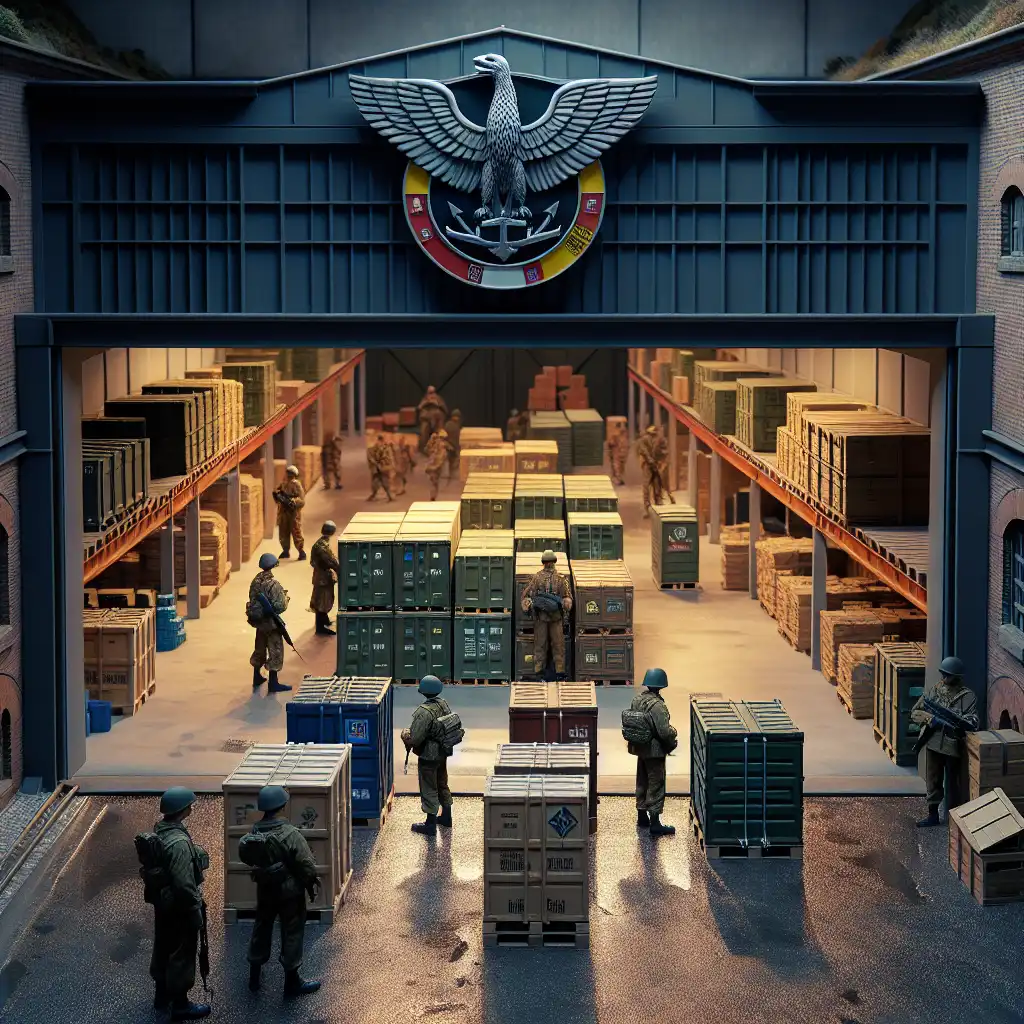
The army stored their munitions in a secure warehouse.
munition
mjuːˈnɪʃn
Cargando…
mjuːˈnɪʃn
Materials that are capable of causing harm or damage, like bullets or bombs.
The army stored their munitions in a secure warehouse.
mjuːˈnɪʃn
To supply with ammunition or weapons.
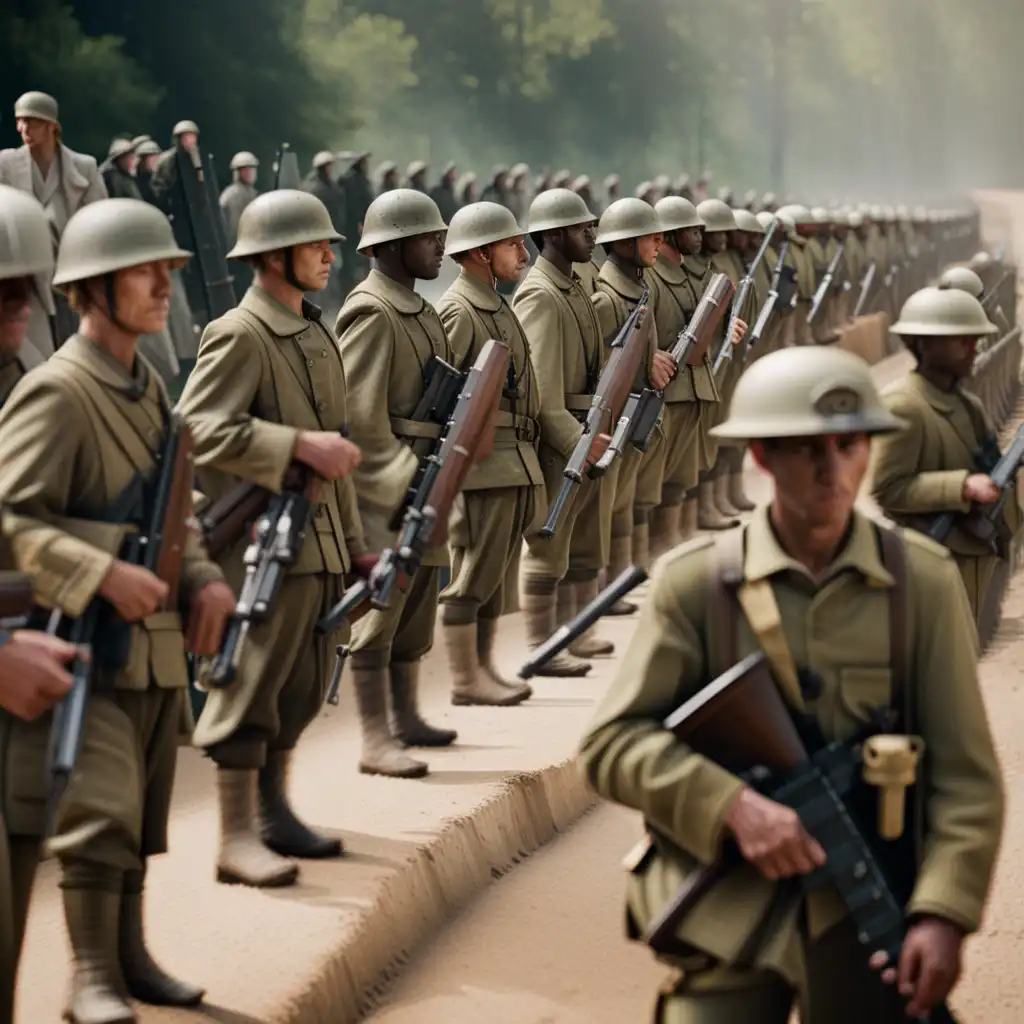
The troops were munitioned well before the battle.
No se pudo cargar el audio. Inténtalo de nuevo más tarde.
Munition refers to military equipment like weapons, bullets, bombs, and other things used in war. It can also refer to the materials used to make those things, such as gunpowder or metal. It is a formal and serious word that is mainly used in a military or historical context.
Ammunition and munition are both used to refer to military supplies, such as bullets or guns.
However, ammunition typically refers specifically to bullets, cartridges or other small arms such as slugs, shells, etc.
Ammunition refers to bullets or cartridges, while munition refers to all sorts of military supplies.
Abrir palabra: Ammunition →Arm refers to a limb on a person's body that connects the shoulder to the hand. Munition refers to weapons, bullets, or other materials used in combat or war.
For example, a soldier might carry ammunition in their arm while they are holding a gun. The arm is their physical body part while the ammunition is a tool used in combat.
In everyday life, arm might refer to the limb on our body, while munition is not commonly used.
Abrir palabra: Arm →Armament refers to all the weapons and military equipment used by a country or armed force, like guns, tanks, missiles, aircraft, and ships.
Armament is a broader term that includes munitions, but munitions are a specific subset of armament. They are both applicable in military contexts when referring to weapons and related equipment.
Abrir palabra: Armament →An arsenal is a place where weapons and military equipment are stored or manufactured. It includes everything related to defense and attack such as guns, ammunition, missiles, tanks, and warplanes.
An arsenal is usually owned by a military or government organization.
Munitions can be found in an arsenal, but not all items in an arsenal are considered munitions. Munitions are also not limited to the military but can also be used by law enforcement, hunters, and in some cases, civilians.
An arsenal is a collection of military equipment, including munition, while munition refers only to the ammunition used in weapons.
Abrir palabra: Arsenal →Firepower refers to the total amount of guns and ammunition that a military force or individual has available to them. It is a measure of how many guns and how much ammunition can be fired in a certain amount of time.
Firepower is the overall ability to shoot, while munitions are the actual bullets or shells used in shooting.
Both terms are applicable in military contexts, with firepower being used to describe the overall military might of a force, while munitions refer to the specific types of ammunition they have available to them.
Abrir palabra: Firepower →Both munition and ordnance refer to military equipment used in combat, but they have different meanings.
Ordnance, on the other hand, refers to a broader category of military equipment, including not only ammunition, but also guns, rifles, tanks, missiles, and other weapons.
Essentially, ordnance is any piece of military equipment that can be used to fight.
So, in short, munitions are specifically the projectiles fired from weapons, while ordnance encompasses a wider array of military equipment used in combat.
Abrir palabra: Ordnance →Weapon is a broader term that refers to any object used to cause harm or damage. It includes munition, but also encompasses guns, knives, explosives, and more.
Munition is more specific and refers specifically to ammunition, while weapon is a more general term that can refer to any object that can be used for harm.
Abrir palabra: Weapon →Concrete "Bomb" %\PIPE% I...
Ver en YouTube ↗The only black battalion on Iwo Jima was a small munitions supply unit that came to the beach.
The deadly legacy of...
Ver en YouTube ↗Look, it's no longer about capacity, how many ships, how many air wings, how many battalions. It's about capability. If we dominate cyber space and know and can read the other guy's mail, and with a very accurate laser-guided munitions put it in this window or that window, it's not how much, it's knowing exactly where to pinpoint a target.
Nations have succeeded before in banning classes of weapons - chemical, biological and cluster munitions; landmines; blinding lasers.
We have learned that precision munitions go precisely where they're targeted to go. We've learned that the introduction of human beings in the equation, who can cause the precision munitions to go precisely where they should go, pays a huge dividend.
My dad was a Navy munitions officer, and by the end of his career, he was a specialist in nuclear weapons.
By 1917, thanks to the new munitions factories and the women that worked in them, the British Empire was supplying more than 50 million shells a year.
I'm not very popular, because they're bleak and they're mournful and all the rest of it and I get censorious reviews. But I'm only writing fiction. I'm not making munitions, so I think it's acceptable.
Islamic fundamentalists in dark areas of Libya rifled through leftover stockpiles of conventional, chemical, and biological munitions from Muammar Gaddafi's rule. Who knows where they are now?