tonnage
noun tonnage
ˈtʌnɪdʒ
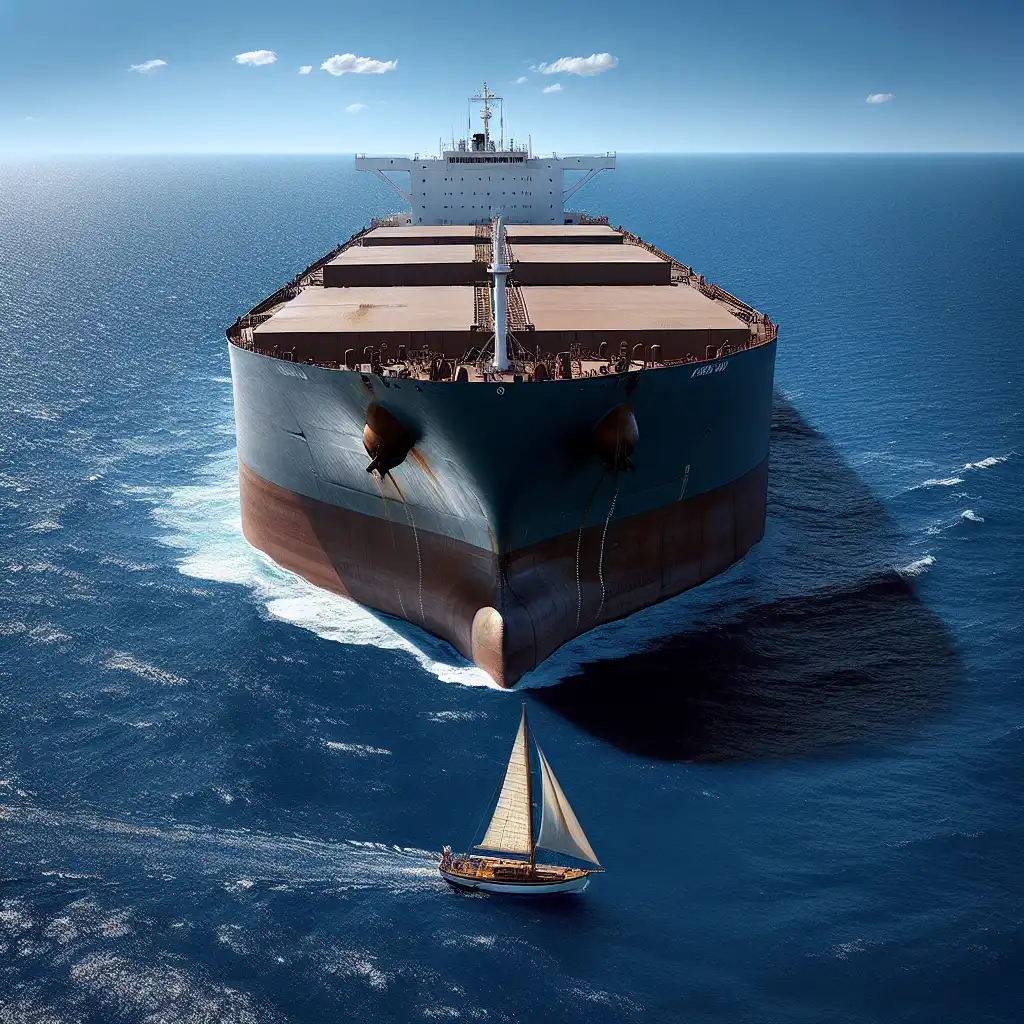
The weight of something or the capacity of a ship, airplane, or other vehicle, measured in tons.
The tanker had a tonnage of 200,000.
tonnage
ˈtʌnɪdʒ
読み込み中…
ˈtʌnɪdʒ
The weight of something or the capacity of a ship, airplane, or other vehicle, measured in tons.
The tanker had a tonnage of 200,000.
ˈtʌnɪdʒ
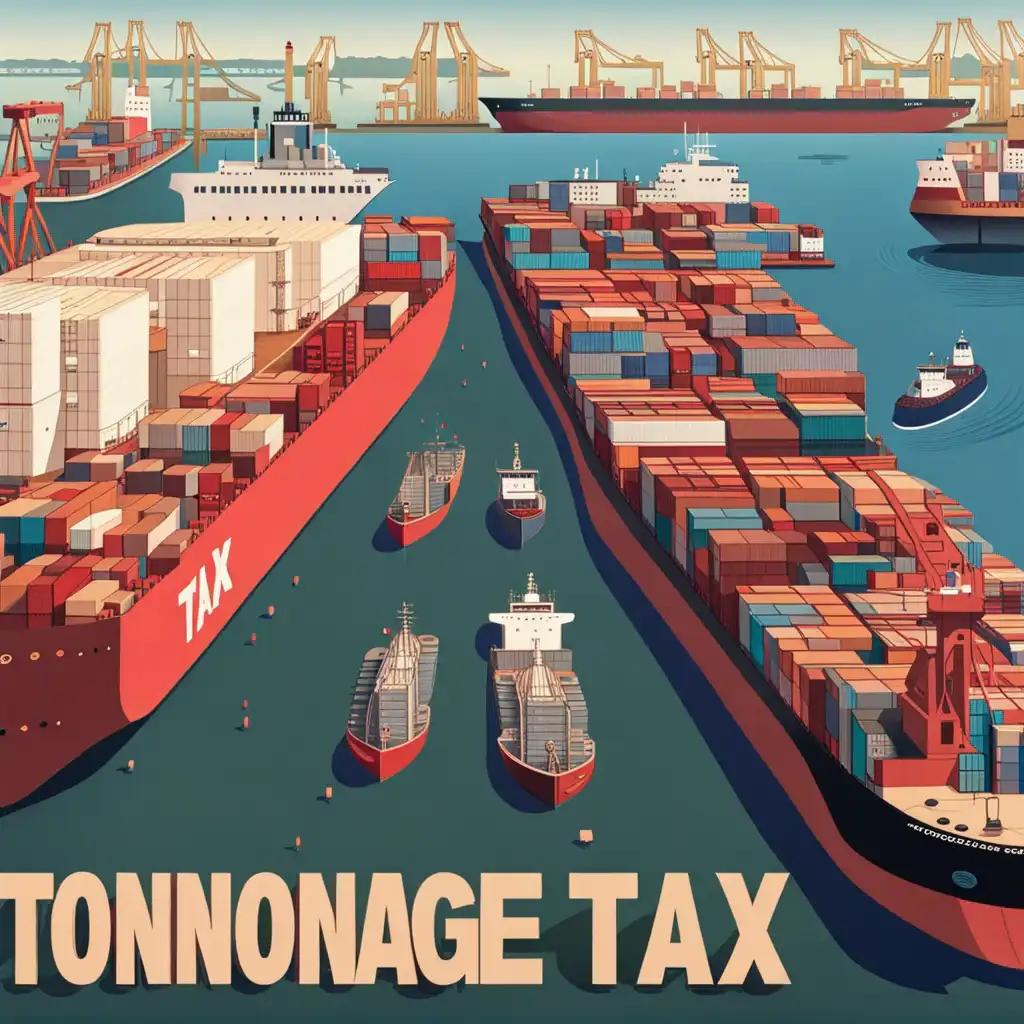
A duty or tax on ships based on their tonnage
The shipping company was required to pay a tonnage tax.

ˈtʌnɪdʒ
The total amount of something, such as cargo, freight, or shipments, expressed in tons
The railway carried a tonnage of about 50 million tons of freight last year.
ˈtʌnɪdʒ
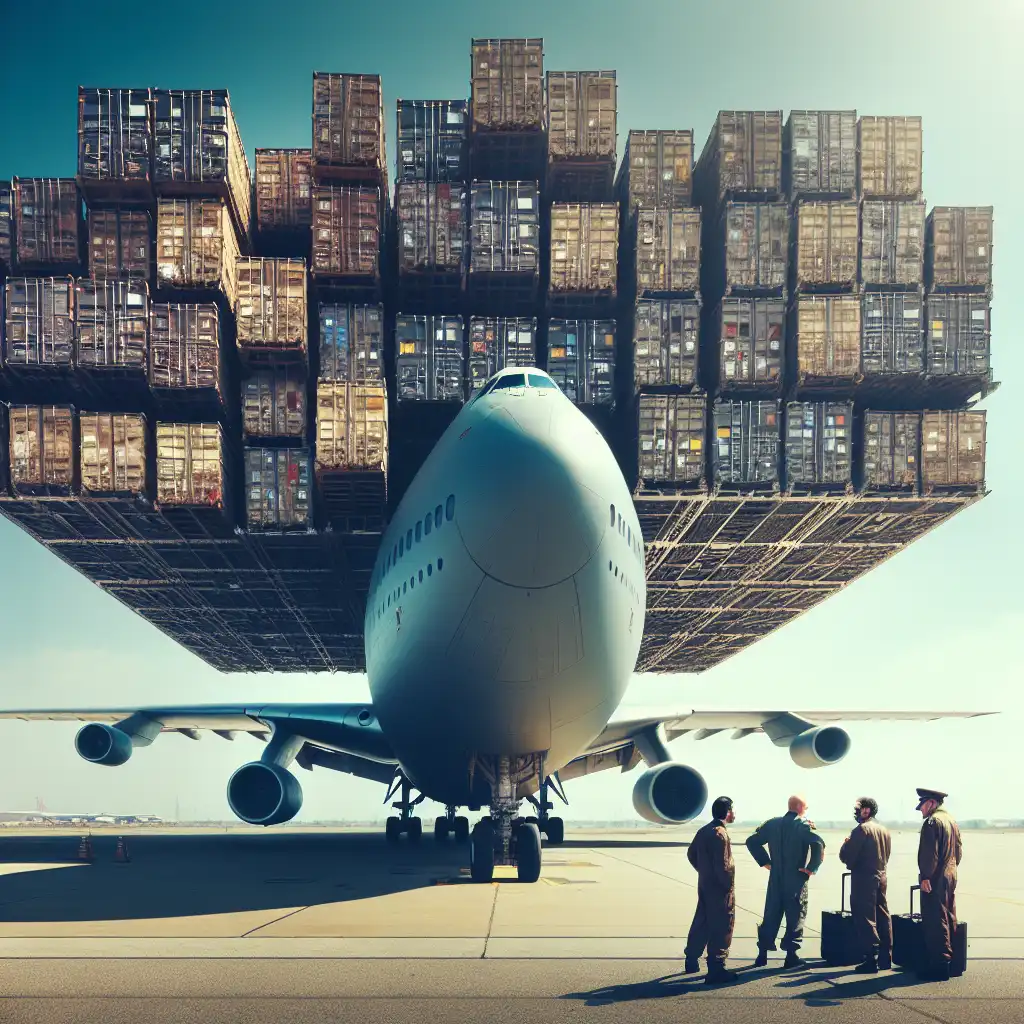
The number of tons that a vehicle could potentially carry
The cargo plane has a maximum tonnage of 120 tons.
音声を読み込めませんでした。しばらくしてからもう一度お試しください。
Tonnage is a term used to describe the weight of something, usually related to ships or cargo. It refers to the total amount of weight that a ship is able to carry or that is being carried. For example, a ship with a tonnage of 10,000 means it can carry up to 10,000 metric tons of cargo. Tonnage can also be used to describe the weight of goods transported by vehicles, such as trucks or airplanes. In general, tonnage is a way to measure the quantity or capacity of something based on its weight.
Burden refers to the weight of something heavy or a heavy load carried by a person or animal. It is a term more commonly used in the context of people or animals carrying or bearing weight, such as the burden of responsibility or a heavy burden on a horse.
The key difference between the two words is that burden refers to the weight carried by a person or an animal, whereas tonnage refers to the weight carried by a vehicle meant to transport heavy goods or cargo.
単語を開く: Burden →Capacity refers to the maximum amount of something that can be held or accommodated in a given space or container, such as the capacity of a water tank, which can hold a certain number of liters of water.
Capacity describes the amount of space or quantity something can hold, while tonnage describes the weight or mass of an object.
For example, a car might have a capacity of five passengers, but its tonnage would be the weight of the car itself, including its engine, tires, and other parts.
Similarly, a ship might have a capacity of 500 passengers, but its tonnage would be the weight of the ship and everything it carries, including cargo and fuel.
単語を開く: Capacity →Cargo refers to the goods or merchandise that are being transported by a ship, a plane, or a truck. Tonnage is the weight of the cargo or the capacity of the vehicle or vessel that is being used for transportation.
Cargo is the stuff being transported, while tonnage is the measurement of how much stuff can be transported at once.
For example, the cargo of a ship might be containers filled with electronics, while the tonnage of the ship is the weight limit or capacity of the ship to carry those containers.
単語を開く: Cargo →Load refers to any weight or cargo that is being carried or transported by a vehicle or machine, such as a truck or crane.
It can refer to any amount of weight, from a small load to a very heavy one.
Load is a general term for any weight being carried, while tonnage is a specific measurement used in shipping and transportation.
Load can apply to any type of vehicle or machine carrying weight, while tonnage is only used in shipping.
単語を開く: Load →Mass refers to the amount of matter that an object contains, while the word tonnage refers to the weight of an object.
For example, if you have three boxes of the same size but different materials inside, the box containing a heavier material will have a greater mass than the box containing a lighter material.
If you have three boxes of the same material but different sizes, the larger box will have a greater tonnage than the smaller box, even though they have the same mass.
In everyday life, mass is more commonly used when discussing the amount of matter in an object, while tonnage is more commonly used in industries like shipping and cargo transportation to describe the weight capacity of ships or the weight of a shipment.
単語を開く: Mass →Size refers to the physical dimensions or measurements of an object, while tonnage refers to the weight or cargo capacity of an object, typically a ship.
Size is applicable when discussing the length, width, height or volume of an object. For example, the size of a shoe can refer to its length or width, while the size of a room can refer to its dimensions or square footage.
Size refers to physical measurements while tonnage refers to weight or cargo capacity, and their applications vary accordingly.
単語を開く: Size →Volume refers to the amount of space that a substance or object occupies. It is applicable when talking about liquids or gases that are transported in containers, such as oil, gas or water.
Tonnage is about weight, while volume is about space.
単語を開く: Volume →Tonnage is a term used mostly for ships and refers to the size or capacity of the vessel. It is measured in tons and includes the weight of the cargo, fuel, crew, and supplies.
Weight is a general term used for anything and refers to the amount of force exerted on an object due to gravity. It is measured in pounds or kilograms.
So, while tonnage is specific to ships, weight can be used for anything, such as a person, animal, or object.
単語を開く: Weight →Elon Musk talks Twitter,...
YouTube で見る ↗In my home State of Texas, the Port of Houston operates as the United States' top port for foreign tonnage and our second largest for total tonnage, so I know how important this bill is for the protection of the American people.
On positive psychology -...
YouTube で見る ↗Shuttle Discovery: Final...
YouTube で見る ↗The new era of positive...
YouTube で見る ↗Sting: How I started...
YouTube で見る ↗The case for fish...
YouTube で見る ↗What it feels like to...
YouTube で見る ↗How I fell in love with...
YouTube で見る ↗Dan Barber: How I fell...
YouTube で見る ↗A global food crisis may...
YouTube で見る ↗