cuneiform
noun cuneiform
ˈkjuːnɪfɔːrm
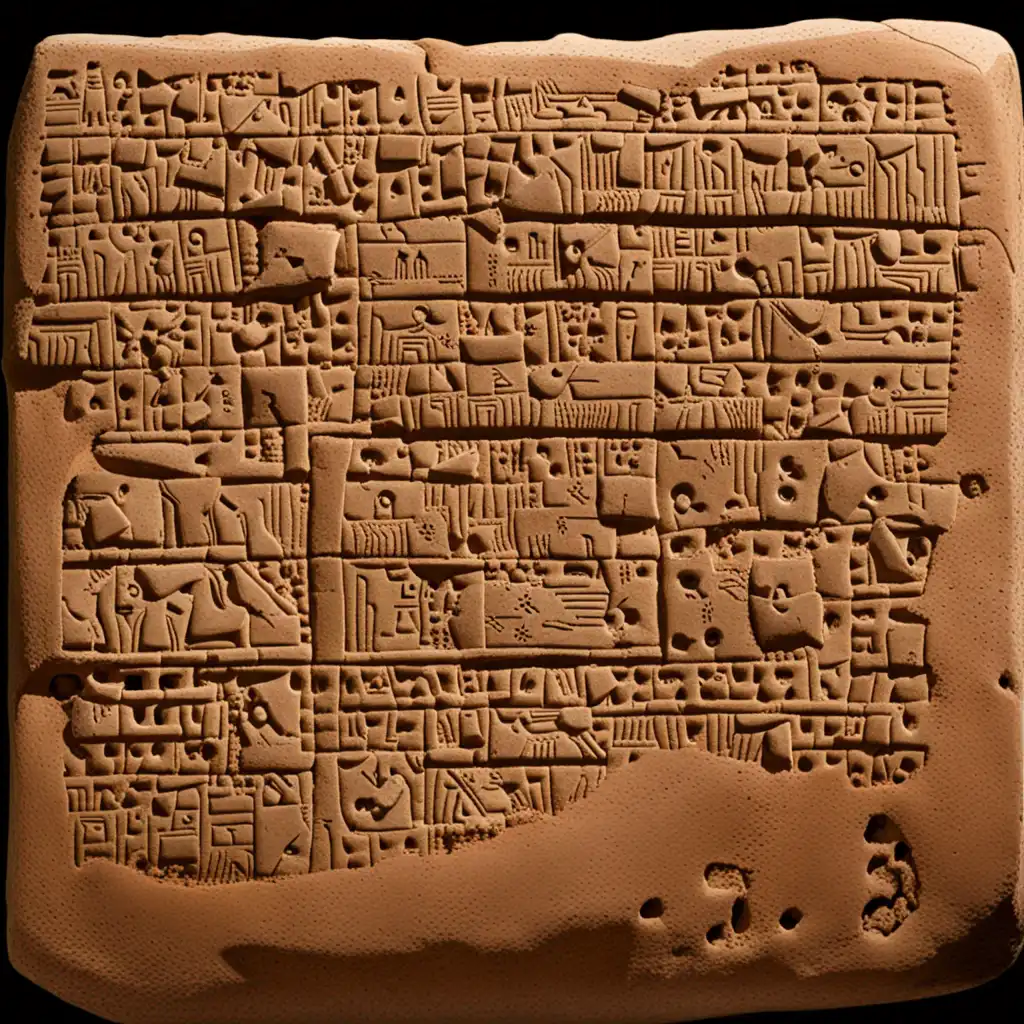
An ancient writing system used in the Middle East and Persia, with wedge-shaped marks.
Archaeologists are studying the cuneiform inscriptions found on ancient clay tablets.
cuneiform
ˈkjuːnɪfɔːrm
Chargement…
ˈkjuːnɪfɔːrm
An ancient writing system used in the Middle East and Persia, with wedge-shaped marks.
Archaeologists are studying the cuneiform inscriptions found on ancient clay tablets.
ˈkjuːnɪfɔːrm
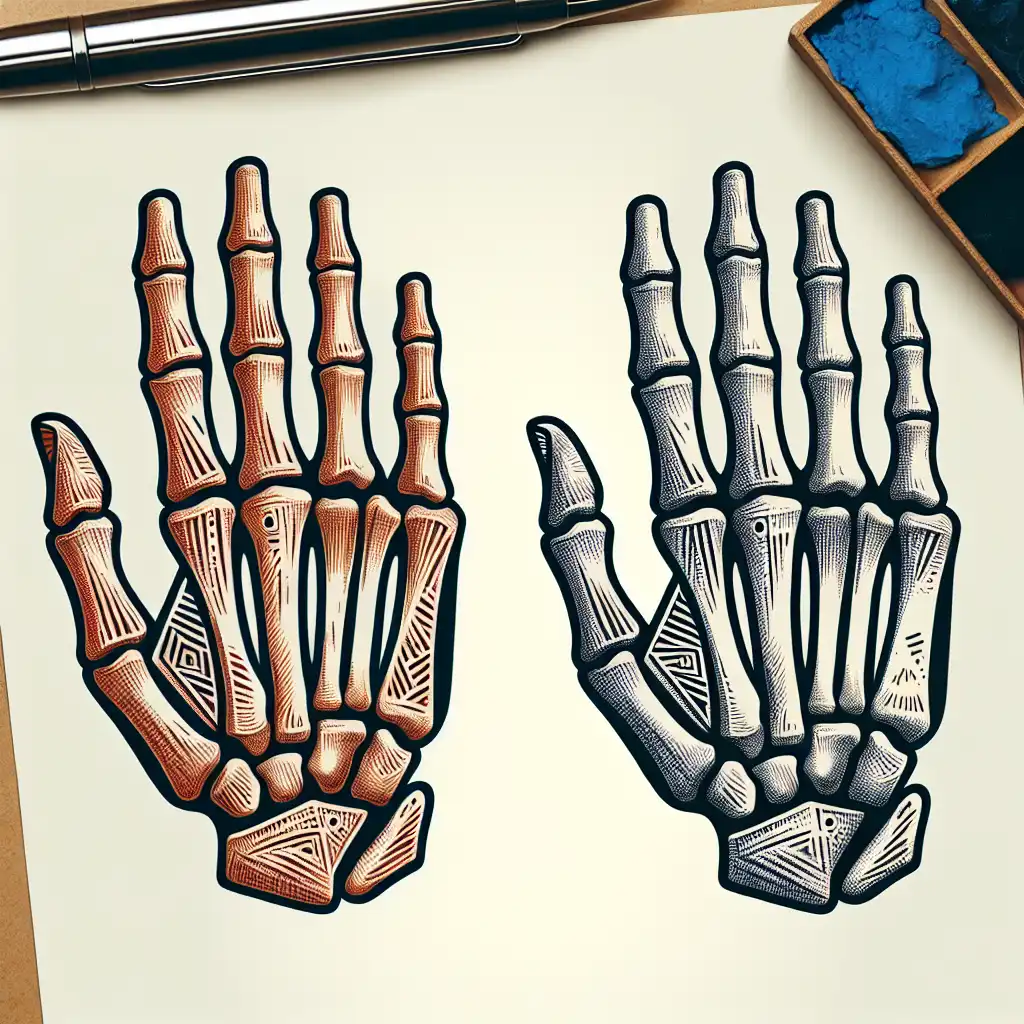
In the shape of a wedge, like marks in cuneiform writing.
Cuneiform bones are present in both human hands and feet.
Impossible de charger l’audio. Réessayez plus tard.
'Cuneiform' is a word that describes an ancient form of writing that was used thousands of years ago in places like Babylon and Assyria. It's called 'cuneiform' because the writing was carved into clay tablets using a sharp tool to make wedge-shaped marks (cuneus means wedge in Latin). Today, 'cuneiform' is most often used to refer to these historical tablets, as well as the language and culture that used this writing system. So, if you're learning about ancient civilizations or studying history, you might come across the word 'cuneiform', and it will most likely be related to these ancient tablets and the people who used them.
Carve means to cut or shape a material such as wood, stone, or metal into a particular form or design using a tool such as a knife or chisel.
Carve refers to physically shaping a material while cuneiform refers to a system of writing used in ancient civilizations.
Ouvrir le mot: Carve →Cuneiform and engrave both involve creating marks on a surface, but they are different in their method and applicability.
On the other hand, engraving involves cutting or carving a design or text onto a hard surface, such as metal or stone.
It can be used for decorative purposes, such as on jewelry, or for practical uses, such as on gravestones or signs. Engraving is applicable in a wide range of contexts where a permanent mark is needed.
Cuneiform is a specific type of writing on clay tablets, while engraving is a more general method of creating marks on a variety of surfaces.
Ouvrir le mot: Engrave →Cuneiform and hieroglyphic are two different writing systems used by ancient civilizations. Cuneiform was used by the ancient Mesopotamian civilizations such as the Sumerians, Babylonians, and Assyrians.
It involved pressing a wedge-shaped stylus into clay tablets to make marks that represented words and ideas. Hieroglyphics was used by the ancient Egyptians.
So, while cuneiform was used in ancient Mesopotamia, hieroglyphics were used in ancient Egypt.
Ouvrir le mot: Hieroglyphic →Cuneiform and Inscribe are both related to writing or recording information but they differ in their methods and usage.
On the other hand, Inscribe means to write or carve words or symbols onto a surface like stone, metal, or paper. This method of recording information has been used for many thousands of years, from ancient Egyptian hieroglyphs to modern-day love notes.
Inscribing can also be done by engraving or etching, such as carving your name onto a tree or engraving a plaque.
Cuneiform is a specific type of writing done on clay tablets using a reed stylus to make wedge-shaped marks, while inscribing refers to writing or carving words or symbols onto any surface using various methods.
Ouvrir le mot: Inscribe →The rise and fall of...
Voir sur YouTube ↗Some of our earliest writing, in cuneiform, was about who owes what.
Why are these 32 symbols...
Voir sur YouTube ↗I've always loved cuneiform; I've always loved the way it looks. I love that it's the world's oldest script. And the creative potential of bad translation or misunderstanding or something has always been at the core of the idea of 'Dirty Projectors.' So the cuneiform is pretty playful - basically, just a joke.
Ancient Mesopotamia 101...
Voir sur YouTube ↗I love how easy it is to run my business, Writing Workshops Los Angeles, with the help of email and my website. I love that I don't have to use cuneiform, a quill, or a typewriter to write my novels - I love to write on my laptop!