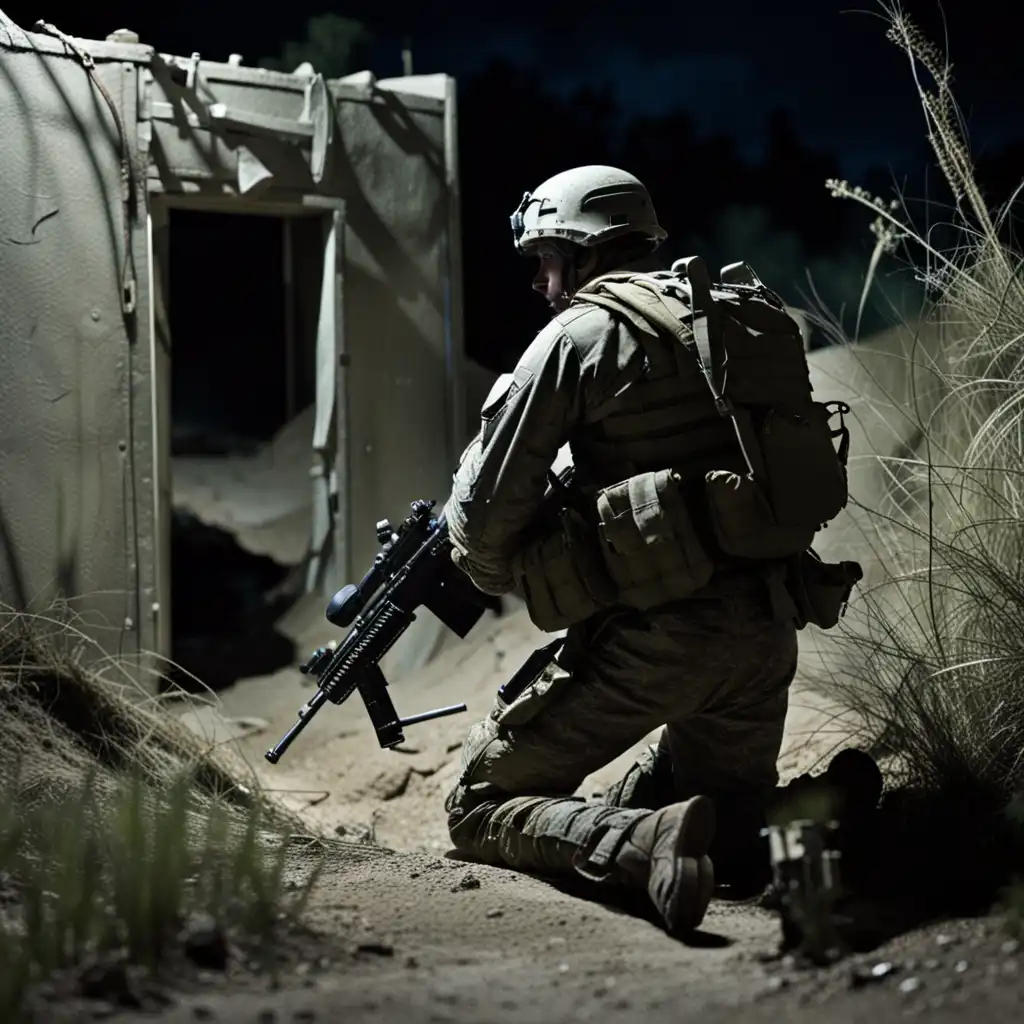
"Deserter" is a word used to describe someone who has abandoned their duties, responsibilities, or obligations. This word is often used in a military context to refer to someone who has deserted their post or their unit without permission. It can also be used in other contexts to refer to someone who has abandoned their job or their family. It is important to note that being called a "deserter" is generally seen as a negative thing, because it implies that the person has acted irresponsibly or betrayed their commitments.
Heretic is used for someone who holds opinions or beliefs that are contrary to what is generally accepted in a religion or society.
For instance, a person who publicly declares that they do not believe in the teachings of their religion would be considered a heretic.
A deserter is someone who abandons their duty or responsibility in a military context, while a heretic is someone who goes against established beliefs or doctrines in a religious or societal context.
A recreant is someone who is cowardly or has betrayed their allegiance or principles. This term is often used in literary contexts to describe a character who has abandoned their moral or ethical beliefs.
A deserter is someone who leaves their duty or job without permission, while a recreant is someone who betrays their beliefs or principles.
A renegade is someone who rebels against authority or breaks away from a group or organization they were once a part of.
It can also refer to someone who acts in a way that is contrary to their expected behavior or beliefs. For example, a politician who suddenly switches parties could be considered a renegade.
A deserter is someone who abandons their duty or responsibility, while a renegade is someone who rebels against authority or breaks away from a group.
A deserter is someone who leaves the military or a job without permission or unlawfully, whereas a runaway is someone who leaves home or a situation without permission or unlawfully.
The term deserter is applicable to soldiers or military personnel who leave their unit or duty without permission, whereas runaway is applicable to anyone leaving their home or situation without permission.
A deserter is someone who has a duty or commitment to an institution or organization, while a runaway is someone who leaves a personal situation.
A traitor is someone who actively works against their country. This includes betraying secrets and work with enemy nations.
A deserter is someone who leaves their post or duty, whereas a traitor works against their country. Deserter is to abandon duty, while traitor is towards betraying the country.
Turncoat is used to refer to someone who changes their loyalty or beliefs, often to the opposite side of a conflict.
The difference between the two words is that deserter refers to someone who abandons their duties while turncoat refers to someone who changes their alliance or belief.
While the term deserter is generally used in a military context, turncoat can be used in any context where loyalty or belief is important, such as in politics or social groups.
necessary to that we need to implement both elements I think it's really really important I think there's no other way about it like the title a deep analysis every animal is a deserter story as
These deserters were our undoing. I shall have a good deal more to say about them before I finally lay down my pen, and I shall not hesitate to call them by their true name, the name with which they will be for ever branded before all the nations of the world.
Christiaan Rudolf de Wet · South African Politician
Anything in between was no man's land. You entered no man's land. You were shot. You were killed. You tried to leave the trench in the other direction. Then your own side would shoot you because you were a deserter.
The brave men die in war. It takes great luck or judgment not to be killed. Once, at least, the head has to bow and the knee has to bend to danger. The soldiers who march back under the triumphal arches are death's deserters.
On a visit to Cologne in March 1945, after a heavy bombing, I met hundreds and hundreds of deserters who were squatting in the rubble, many in the deep cellars left from Roman times. They had been hiding there after the retreat from France.
In my final year at Bristol University, I wrote a play called 'White Feathers.' It was produced in the studio theatre at the students' union in early 1999, when I was 21. It's 100 pages long: a very traditional play, with an interval, about deserters in the First World War.
During the Vietnam era, more than 30,000 draft dodgers and deserters sought harbor in cities like Montreal and Toronto, where public opposition to the war was strong and most residents didn't question their motives.