nuclear
adjective nuclear
ˈnuːkliər
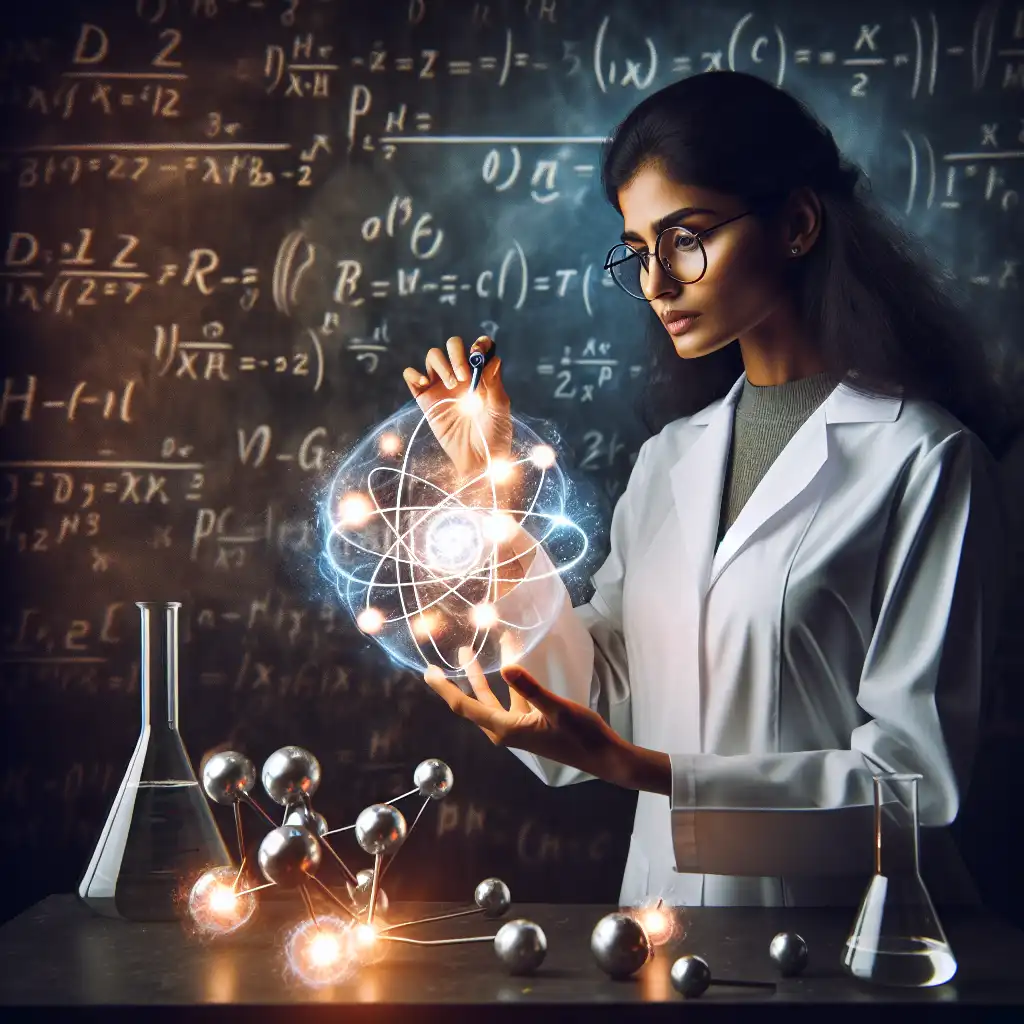
Relates to the energy produces in a nuclear reaction - when the smallest parts of atoms unite or divide
She is studying nuclear physics.
nuclear
ˈnuːkliər
読み込み中…
ˈnuːkliər
Relates to the energy produces in a nuclear reaction - when the smallest parts of atoms unite or divide
She is studying nuclear physics.
ˈnuːkliər
Relates to weapons that are powered by nuclear energy
There are international laws against nuclear warfare.
ˈnuːkliər
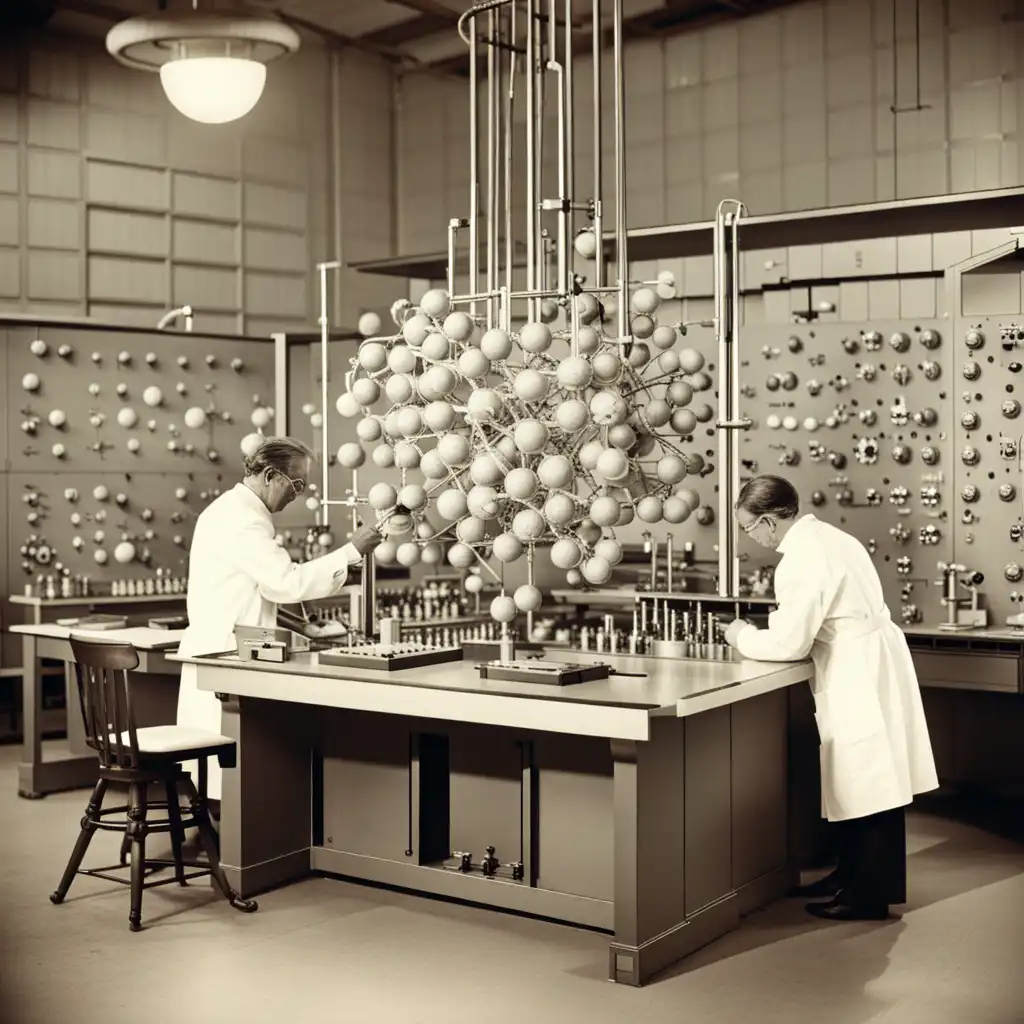
Involving atom's core or nucleus
These experiments involve nuclear reactions.
ˈnuːkliər
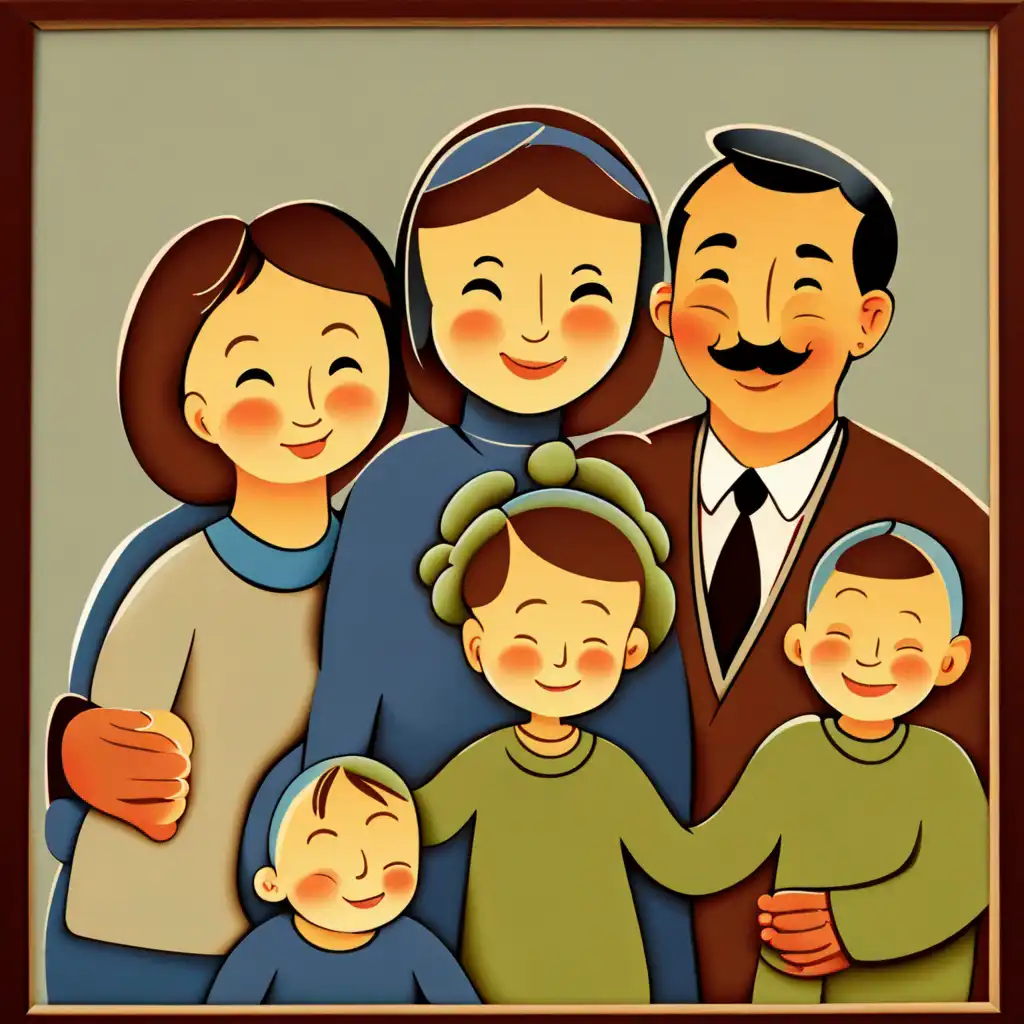
Relates to a family consisting of two parents and their children
They are a traditional nuclear family.
ˈnuːkliər
A severe or impressive threat or condition
This is a nuclear option for dealing with pests.
音声を読み込めませんでした。しばらくしてからもう一度お試しください。
The word "nuclear" refers to things that are related to atoms and the energy they create. It is often used to describe the type of energy that is created inside a nuclear power plant. It can also be used to describe weapons that use nuclear power. It is important to use this word accurately and in the right context, as it can be a very serious and sensitive topic.
Atomic refers to something related to atoms, which are the basic building blocks of matter. For example, atomic energy refers to the energy produced from splitting or fusing atoms.
For example, nuclear weapons use the energy released from changing the structure of atomic nuclei.
Atomic refers to things related to atoms themselves, while nuclear refers to things related to the nucleus of the atom.
単語を開く: Atomic →Fissile refers to the ability of an atom to split into two smaller atoms, releasing a large amount of energy. Nuclear refers to anything related to the nucleus (or center) of an atom, including its structure, properties, and reactions.
Fissile is applicable in the context of nuclear reactions, particularly those involving the splitting of uranium or plutonium atoms in a nuclear reactor to generate energy.
単語を開く: Fissile →Nuke is a colloquial term that is commonly used to refer to a nuclear weapon or the act of using one.
Nuclear is a broader term that can refer to anything related to atomic nuclei, while nuke is a more specific term that typically refers to nuclear weapons specifically.
単語を開く: Nuke →Radioactive describes objects or substances that emit harmful, high-energy radiation.
It is used when referring to things like radioactive waste or materials used in medical treatments.
In simpler terms, nuclear refers to the technology or energy produced by splitting or fusing atoms, while radioactive refers to the harmful radiation emitted by some materials.
単語を開く: Radioactive →Thermonuclear refers specifically to a type of nuclear reaction that takes place at extremely high temperatures, typically millions of degrees Celsius.
Thermonuclear reactions occur naturally in stars, but scientists have been working on creating controlled thermonuclear reactions on Earth as a potential source of clean, renewable energy.
Nuclear refers to anything related to atomic nuclei, while thermonuclear specifically refers to high-temperature nuclear reactions.
単語を開く: Thermonuclear →Actually yes. Using particle accelerators we can mimic the complex nuclear reactions that create gold in stars. But these machines can only construct gold atom by atom. So it would take almost the age of the universe to produce one gram
YouTube で見る ↗A world without nuclear weapons would be less stable and more dangerous for all of us.
then it's just clear as day, because the economics the energy density are so different than nuclear as we know it. So to understand it right, this involves building deep into the ground,
YouTube で見る ↗Nobody has ever before asked the nuclear family to live all by itself in a box the way we do. With no relatives, no support, we've put it in an impossible situation.
We started developing this design for a nuclear reactor that can consume the existing stockpiles of nuclear waste of used nuclear fuel. And we started a company to commercialize the design. It's able to reduce the waste's lifetime and break it down
YouTube で見る ↗Today I can declare my hope and declare it from the bottom of my heart that we will eventually see the time when that number of nuclear weapons is down to zero and the world is a much better place.
states had nuclear weapons to end all life there was an ideological tension one was an exporter of democracy and capitalism the other one is an exporter of soviet-style communism and there was
YouTube で見る ↗The message from national security experts and citizens around the world is clear: The only way to eliminate the global nuclear danger is to eliminate all nuclear weapons.
dips below the horizon there are times when that protective force field is revealed electrically charged particles have been driven away from the Sun ultimately from nuclear fusion reactions
YouTube で見る ↗The world cannot afford a nuclear Iran.
laid the groundwork for our understanding of physics and chemistry, blazing trails in oncology technology medicine and nuclear physics, to name a few. For good or ill her discoveries in radiation launched a new era, unearthing some of science's greatest secrets.
YouTube で見る ↗Protecting Americans from nuclear terrorism rises above politics.
from a U.S. Navy vessel trying to signal it to come up. The commanders on the sub too deep to communicate with the surface, thought war had begun and prepared to launch a nuclear torpedo. That decision had to be made unanimously by three officers.
YouTube で見る ↗Nuclear physics is interesting but it is unlikely to help society.
to fuel nuclear power plants. Even bananas contain trace amounts of a radioactive potassium isotope. So if we live in a world of radiation, how can we escape its dangerous effects? To start not all radiation is hazardous.
YouTube で見る ↗My own judgment of how the world is gonna end is that there will be a country led by a madman that will build a nuclear bomb with so much force, so much power, that it will be dropped somewhere on the face of this earth and that the earth will lose its place.
a less threatening comment. Though the intended meaning was eventually clarified, the initial impact of Khrushchev's apparent words put the world on a path that could have led to nuclear armageddon. So now given the complexities of language and cultural exchange,
YouTube で見る ↗If we take into account the existence of our planet, we have to recognise that we are guests that spend a short and very determined period in this world, and all we leave behind is nuclear waste.
in the three minutes that followed the birth of our universe. Eventually clusters of atoms accumulated and formed stars. Within these stars nuclear reactions fused light elements, such as hydrogen and helium, to form heavier elements such as carbon and oxygen.
YouTube で見る ↗India is one of the world's largest and most peaceful states with advanced nuclear technologies and has been isolated from the rest of the world on nuclear issues.