aft
adverb aft
æft
In, at, or towards the rear part of a boat or ship
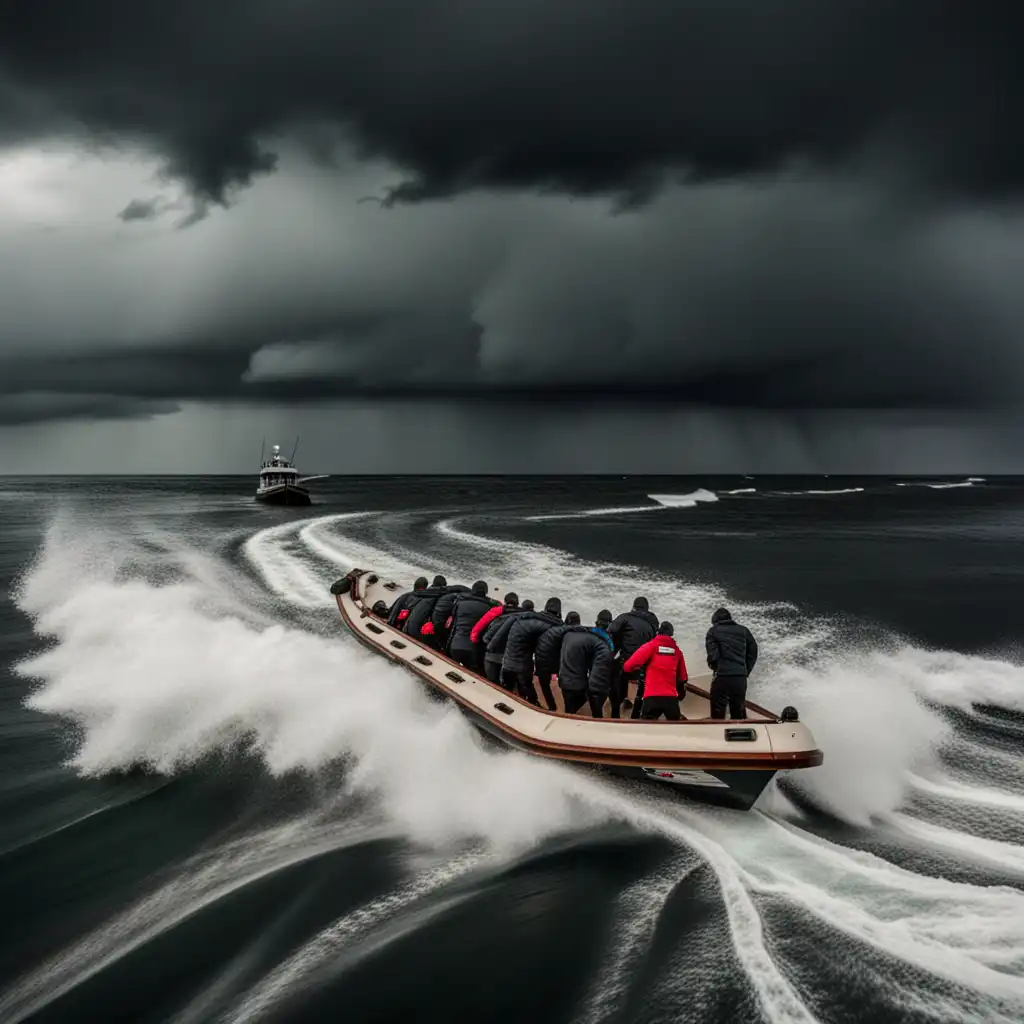
As the storm worsens, we should move aft for safety.
aft
æft
加载中…
æft
In, at, or towards the rear part of a boat or ship
As the storm worsens, we should move aft for safety.
æft
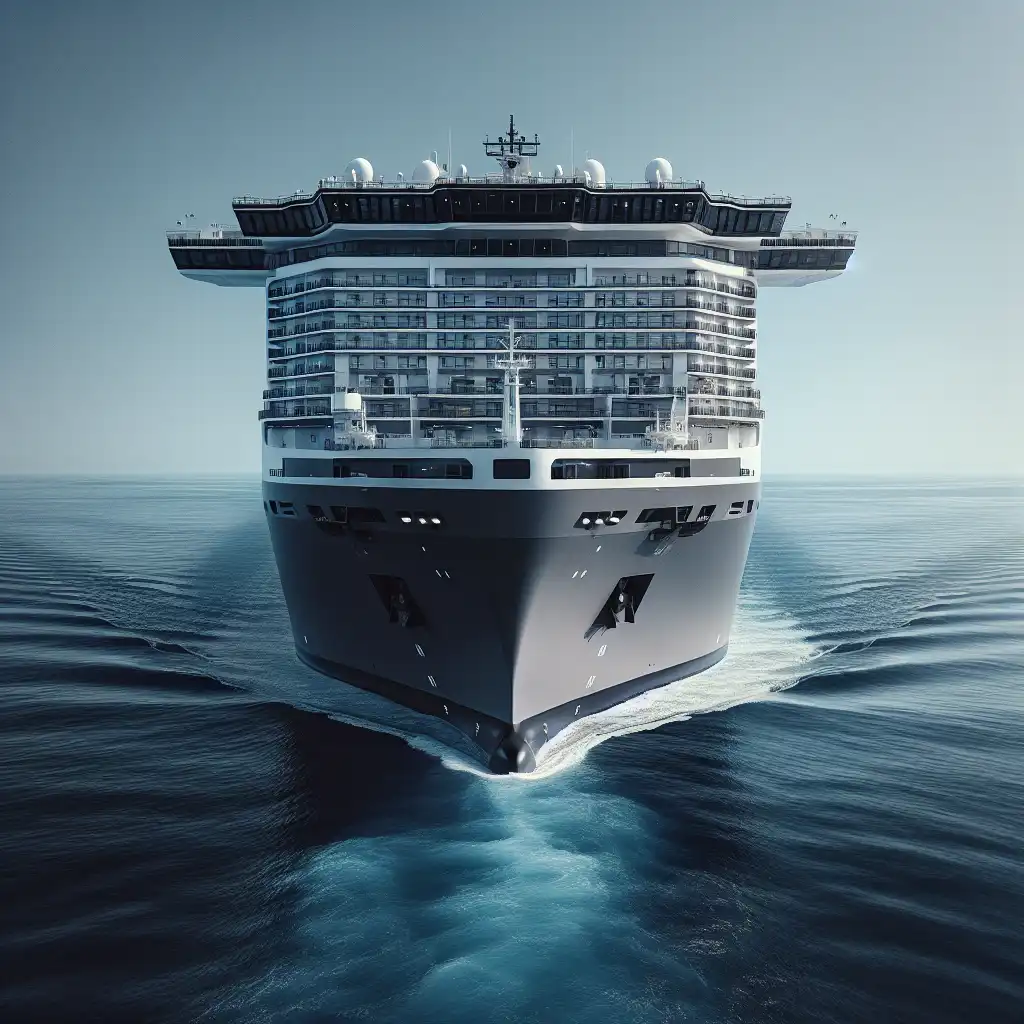
Located at or towards the rear part of a boat or ship
The captain's quarters are aft of the ship.
音频无法加载,请稍后再试。
The word 'aft' is used to describe the back or rear part of a ship or boat. It is often used in nautical or maritime contexts to refer to things that are located behind the middle or front of the vessel. For example, you might say "the captain was standing on the deck aft of the helm." In everyday English, the word 'aft' is not commonly used outside of these specialized contexts.
Aft and after are both words used to describe things that occur in relation to time or position, but they have different meanings.
After refers to a time, event or object that comes later than another. For example, "we went to the movies after dinner.".
So, in short, aft refers to position and after refers to time or sequence.
打开单词: After →Aft and back both refer to the rear of a ship, boat, or airplane, but they are used in different contexts. Aft is a nautical term that describes the area at the back of a ship or boat.
It is often used to describe the position of things relative to the rear of the vessel, such as "the aft deck" or "the aft cabin." Back is a more general term that can refer to the rear of any object or place, including vehicles and buildings.
It is often used in a more casual context, such as "sit in the back seat" or "walk to the back of the building." So, when referring to the rear of a ship or boat, it is more appropriate to use the term aft, while back is used for a more general context.
打开单词: Back →Both aft and behind refer to the location of something at the back of a boat or ship, but aft is a nautical term while behind is more of a general term.
Aft is used by sailors and ship crews to describe the back of a ship or boat, while behind is used in everyday language to describe the back of something, like a building or a person.
If someone says to move aft, it means to move towards the back of the ship, while if they say to move behind something, it means to go to the back of that thing.
打开单词: Behind →Aft and rearward are both words that refer to the back part of something. Aft is more commonly used in nautical language, referring specifically to the back part of a ship or boat.
Rearward is a more general term that can be used in any context to describe the back part of something. For example, you might say "I moved rearward in the car to make room for my friend," but you wouldn't say "I moved aft in the car" because that doesn't make sense in a non-nautical context.
Aft is a more specific term that refers to the back of a boat or ship, while rearward is more general and can be used in any context to describe the back part of something.
打开单词: Rearward →and knocks it down. And another one comes and slaps the aft and knocks it down. And there's a third one over here. This swallows the bridge and knocks it down. And the ship sinks, and the captain has lost everything, but for a life jacket.
在 YouTube 上观看 ↗My job during the EVAs, the spacewalks, is to act as the inside coordinator. I remain on the aft flight deck of the shuttle, and I act in a manner to help the gentlemen outside, my fellow crewmates, who are performing the EVA tasks.
The gondola makers began with a wooden template that may have been hammered into the workshop floor generations earlier. From this basic form they attached fore and aft sterns,
在 YouTube 上观看 ↗If you ever decide to build a boat out of wet newspaper, it's important to remember to lay down the sheets like shingles on a house: One issue at a time, starting at the bow and moving aft, so water flows over the layers, not under them.
so now this turns falling aft end down and we see the spiral a it comes the bow-bow is falling at stable position and it hits ya boom it kind of breaks his back and we see the hydraulic outburst and a Down blast
在 YouTube 上观看 ↗The most ordinary conditions for observing sailing birds are then the wind and sea are both aft.
tippy aft an Indian River calm and gentle the male to conserve after a great Indian chief very appropriate Sully is trying to make
在 YouTube 上观看 ↗