
aristocratic
adjective aristocratic
əˌrɪstəˈkrætɪk
Relating to the highest social class in some societies.
He was born into an aristocratic family.
aristocratic
əˌrɪstəˈkrætɪk
Chargement…
əˌrɪstəˈkrætɪk
Relating to the highest social class in some societies.
He was born into an aristocratic family.
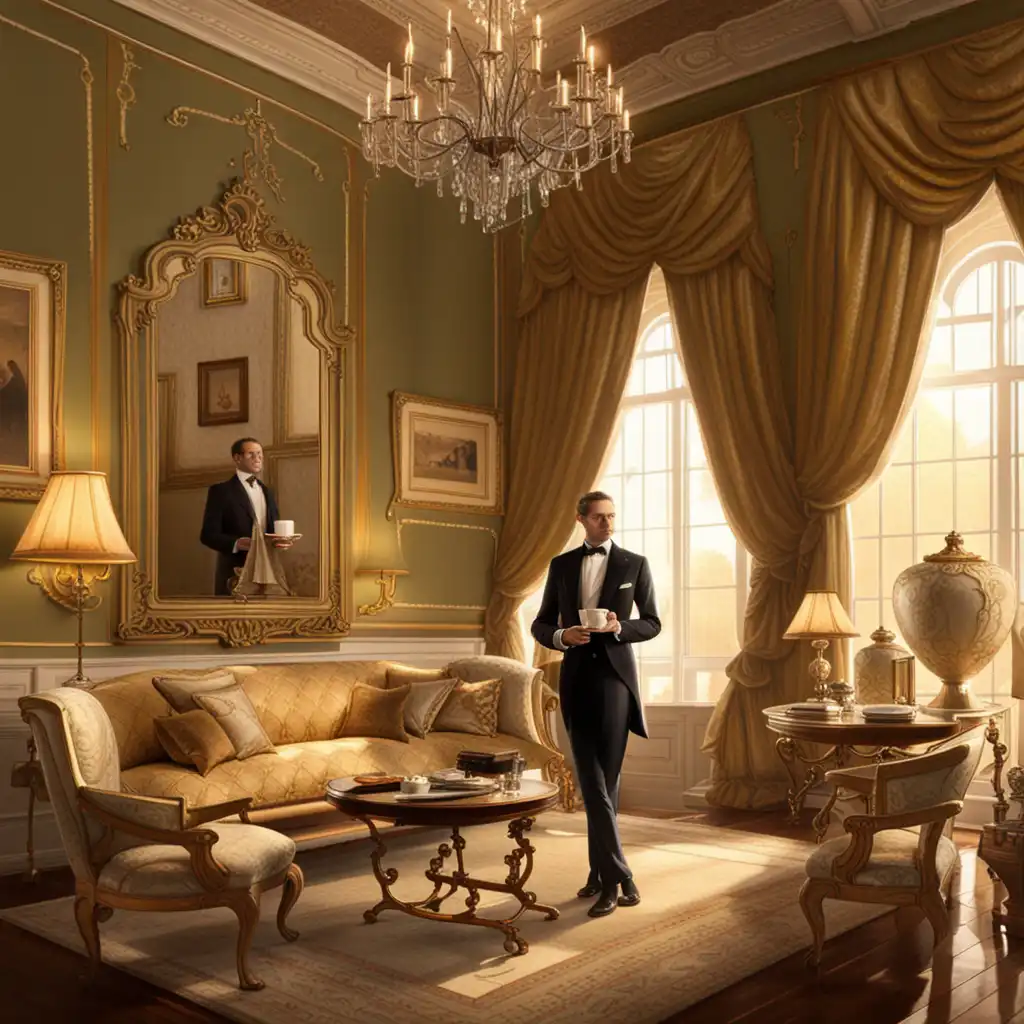
əˌrɪstəˈkrætɪk
Having the manners, values, or qualities associated with the aristocracy.
His aristocratic demeanor was magnetic.

əˌrɪstəˈkrætɪk
Promote the interests of a certain social class, specifically the aristocracy.
The aristocratic policies of the government favor high-class citizens.
Impossible de charger l’audio. Réessayez plus tard.
The word 'aristocratic' is used to describe people who come from families that have a high social rank or power due to their lineage, wealth, or status in society. It is often used to describe those who have privileges and advantages based on their status, such as aristocrats or nobles. In modern times, the term is sometimes used in a negative sense to describe people who are seen as being snobbish, exclusive or having a sense of entitlement. It is important to understand the context in which the word is being used so that you can use it appropriately in conversation or writing.
Courtly refers to the manners or behavior associated with the court or royal court, such as chivalry, politeness, and formal etiquette.
Aristocratic refers to a person's social class or status, while courtly refers to their behavior or mannerisms in a specific context.
Ouvrir le mot: Courtly →Elite is a broader term that refers to a select group of people who are considered to have superior abilities, knowledge or power.
Aristocratic focuses on inherited and traditional hierarchies of power, while elite refers to a select group of high-achieving individuals, regardless of their background or status.
Ouvrir le mot: Elite →Genteel suggests good breeding, manners and refinement in speech and behavior. It's applicable to those who are polite, gracious, and cultured, but may come from any social class.
Aristocratic is associated with inherited privilege, while genteel is associated with good manners and social refinement regardless of social standing.
Ouvrir le mot: Genteel →The words aristocratic and noble both relate to social status and high standing, but they have different origins and connotations.
Noble relates to people who display high moral or ethical principles, often having personal qualities such as courage, wisdom, and compassion.
Noble can also describe things that are dignified and honorable.
For example, a noble purpose or a noble gesture.
So, while both words describe people of high status, aristocratic is linked more with social class, wealth and sophistication, while noble is linked more with character, principles, and honor.
Ouvrir le mot: Noble →Patrician refers to someone who is a member of a group that has a high social status and influence in society. This term originated in ancient Rome to describe the wealthy and influential families who held prominent positions in government.
Patrician families were often considered to be more sophisticated and cultured than others. Today, the word is often used to describe someone who is refined, cultured, and has good taste.
Aristocratic is more about inherited wealth and power, while patrician is more about social status and influence. Both terms are used to describe people who are considered to be part of the upper class, but they have slightly different meanings and connotations.
Ouvrir le mot: Patrician →Privilege refers to having an advantage or benefit that is not available to everyone.
Privilege is applicable to situations where certain groups or individuals have benefits or access to resources that others do not.
Aristocratic refers to a particular social or political system, while privilege refers to a benefit or advantage that some people have over others.
Ouvrir le mot: Privilege →Regal refers to something or someone that is royal or majestic.
It is often used to describe the behavior or appearance of a monarch or something that has the qualities of royalty. For example, a person might describe a grand palace as regal, or a queen's behavior as regal.
Aristocratic refers to high-class behavior or background, while regal is more specifically related to royalty or majesty.
Ouvrir le mot: Regal →these can often be understood the first time you hear them. And sometimes a new word isn't new at all. Obsolete words gain new life by adopting new meanings. Villain originally meant a peasant farmer but in a twist of aristocratic snobbery
Voir sur YouTube ↗Academic and aristocratic people live in such an uncommon atmosphere that common sense can rarely reach them.
the vampire we know the man with the widow's peak the aristocratic count eternal forever young sexual and seductive isn't real
Voir sur YouTube ↗Sharpe is my favorite role of all that I've played. He's a very complex character. He knows that he's a good soldier, but he will always have to fight the prejudice of aristocratic officers because of his rough working-class upbringing. On the battlefield, he's full of confidence - but off it, he is unsure, a bit shy and ill at ease.
to fill the vast majority of their political posts. They knew that elections were aristocratic devices. They knew that career politicians were a thing to be avoided. And I think we know these things as well. But more interesting than the ancient use of random selection
Voir sur YouTube ↗I incline to an aristocratic republic. This would satisfy the ambitious spirit among our people. We shall learn from the historic mistakes of others in the same way as we learn from our own; for we are a modern nation and wish to be the most modern in the world.
splintered loyalties of many races would have proved difficult for the ablest of generals with strong armies at his command but Bolivar had never been a soldier he had no formal military training he was rich aristocratic born
Voir sur YouTube ↗Vampires get the joy of flying around and living forever, werewolves get the joy of animal spirits. But zombies, they're not rich, or aristocratic, they shuffle around. They're a group phenomenon, they're not very fast, they're quite sickly. So what's the pleasure of being one?
aristocratic women generally had more freedom. Yet the details of Sappho’s life remain mysterious, partially because only fragments of her poetry survive. In ancient times however so much of it persisted that it seemed it would last forever.
Voir sur YouTube ↗My tastes are aristocratic, my actions democratic.
received a poem from one of colonial America’s most famous writers. Its verses praised the burgeoning revolution, invoking the goddess of their new nation to aid the general’s righteous cause. But this ode to liberty wasn’t written by some aloof aristocratic admirer.
Voir sur YouTube ↗It would astonish if not amuse the older citizens to learn that I (a strange, friendless, uneducated, penniless boy, working at ten dollars per month) have been put down as the candidate of pride, wealth, and aristocratic family distinction.
The only positions filled by elections were those recognized as requiring expertise, such as generals. But these were considered aristocratic meaning rule by the best,
Voir sur YouTube ↗We are tired of aristocratic explanations in Harvard words.
And soon no aristocratic home was complete without dedicated chocolate ware. The fashionable drink was difficult and time consuming to produce on a large scale. That involved using plantations and imported slave labor
Voir sur YouTube ↗Slavery is malignantly aristocratic.
each carefully selected as children from Rome's most aristocratic families. But now with her death there are only five, and a new priestess must be chosen. The six-year-old Licinia witnessed the spectacle,
Voir sur YouTube ↗Polo has always had an old-fashioned, aristocratic English feel.
bankruptcies, firing squads, religious visions, the burning of Moscow, and a semi-domesticated bear, but no exile and no political dissidents. Here's how it happened. Tolstoy a volcanic soul, was born to a famously eccentric aristocratic family in 1828.
Voir sur YouTube ↗What is exhilarating in bad taste is the aristocratic pleasure of giving offense.