satirist
noun satirist
ˈsætərɪst
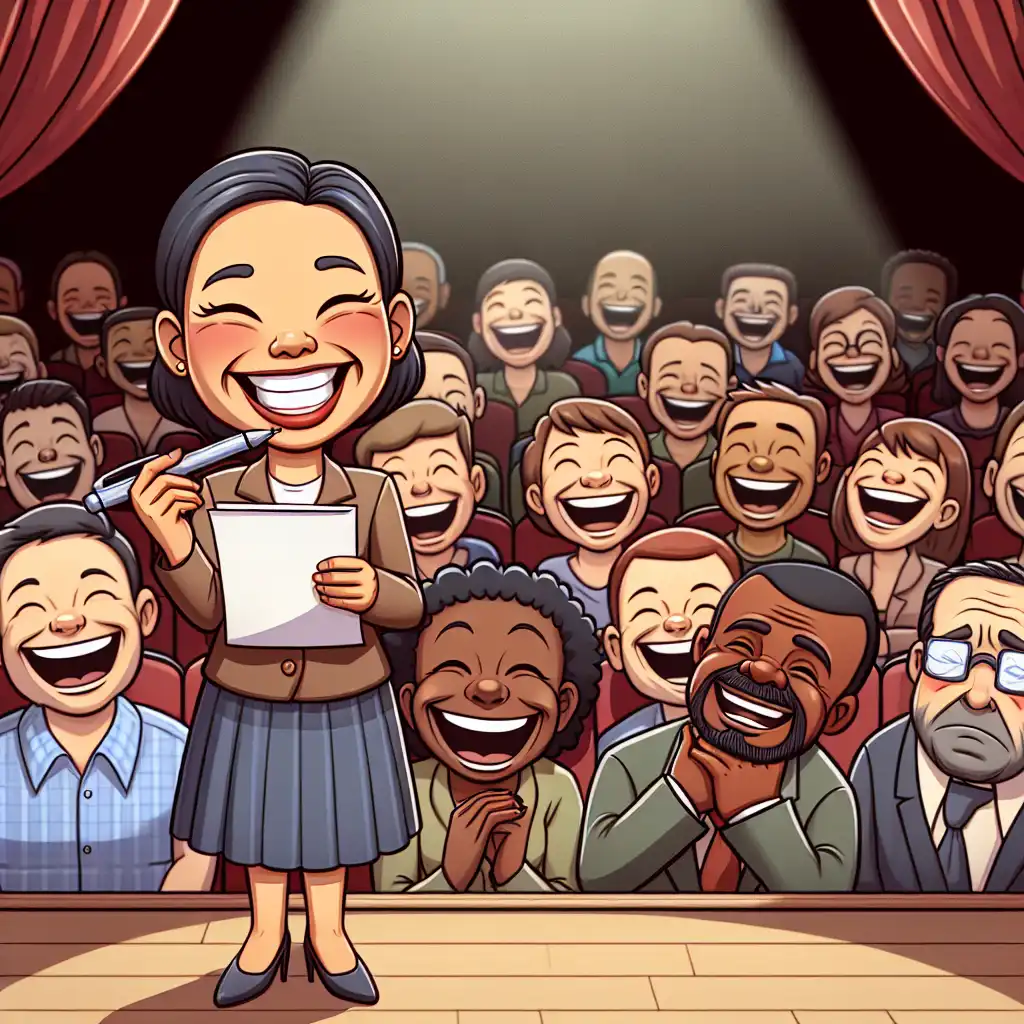
A person who uses humor to criticize people or things and expose their weakness.
The political satirist cleverly critiqued the government through his comedy sketch.
satirist
ˈsætərɪst
Đang tải…
ˈsætərɪst
A person who uses humor to criticize people or things and expose their weakness.
The political satirist cleverly critiqued the government through his comedy sketch.
ˈsætərɪst
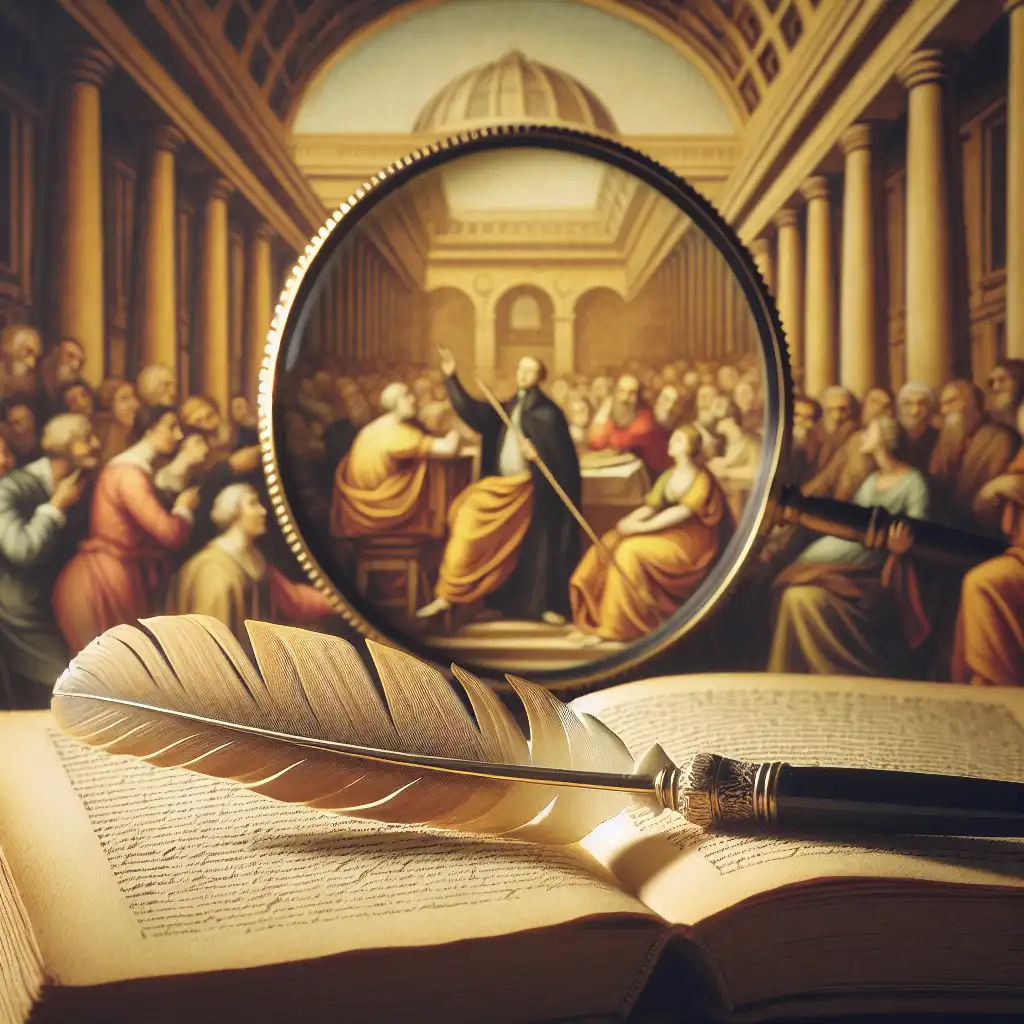
A writer who uses satire in their work.
As a satirist, his aim was to expose social injustices through his novels.
Không tải được âm thanh. Vui lòng thử lại sau.
A satirist is someone who uses humor, irony, and exaggeration to make fun of and criticize people or things they disagree with. They do this through writings, movies, or plays. It's important to note that satire is often used to shed light on societal issues or provoke public debate, but it can also be used solely for comedic purposes.
A caricaturist is someone who creates drawings or portraits that exaggerate a person's features or traits for humorous effect.
Caricaturists are mainly focused on creating humorous and exaggerated portraits of people or characters, while satirists are more concerned with using humor to criticize society or political systems.
Mở từ: Caricaturist →A cynic is a person who distrusts or doubts the motives of others, particularly in terms of their honesty or integrity.
A cynic is someone who distrusts others, while a satirist is someone who makes fun of the flaws and faults of society or individuals.
Mở từ: Cynic →A malcontent is a person who is always dissatisfied and unhappy with the way things are. They may complain a lot but don't necessarily offer any solutions to the problems they perceive.
So while a malcontent may just be grumbling about things they don't like, a satirist is actively trying to make a point and initiate change.
To bring it down to a simpler analogy, a malcontent is like a cranky child who complains without any solutions, while a satirist is like a teacher who uses humor to educate and inspire their students.
Mở từ: Malcontent →A parodist creates humorous, exaggerated imitations of a work, author or genre, highlighting its peculiarities and flaws.
Parodists are applicable in instances where humor and irony are required, they mostly create a lighter mood and their main aim is to entertain.
Mở từ: Parodist →Sonic Postcards from The...
Xem trên YouTube ↗As satirists, we get to stand on the sidelines of life and comment on what's happening.
The philosophy of...
Xem trên YouTube ↗The satirist is prevented by repulsion from gaining a better knowledge of the world he is attracted to, yet he is forced by attraction to concern himself with the world that repels him.
A theory of everything %\PIPE%...
Xem trên YouTube ↗Many artists and writers have used cannabis for creative stimulation - from the writers of the world's religious masterpieces to our most irreverent satirists.
Designing urban spaces...
Xem trên YouTube ↗The wit makes fun of other persons; the satirist makes fun of the world; the humorist makes fun of himself, but in so doing, he identifies himself with people - that is, people everywhere, not for the purpose of taking them apart, but simply revealing their true nature.
I'm not really a political satirist. I don't kid myself. I'm more interested in doing the mannerisms and the personality.
I'm a satirist, so I've got boxing gloves on if the person is worthy of satire. But I'm not an assassin. If that ever happens, it's only because something happened during the interview that got me going, and then I had to translate my feelings to the mouth of the character.
It's true that none of my characters are admirable. But maybe I'm primarily a satirist, and a satirist needs to hold up what's not admirable.
The satirist who writes nothing but satire should write but little - or it will seem that his satire springs rather from his own caustic nature than from the sins of the world in which he lives.
Some critics of my work took the view that a satirist should defer to the finer feelings of his readers and respect widely held beliefs.
Satirists gain the applause of others through fear, not through love.