blob
noun blob
blɑːb
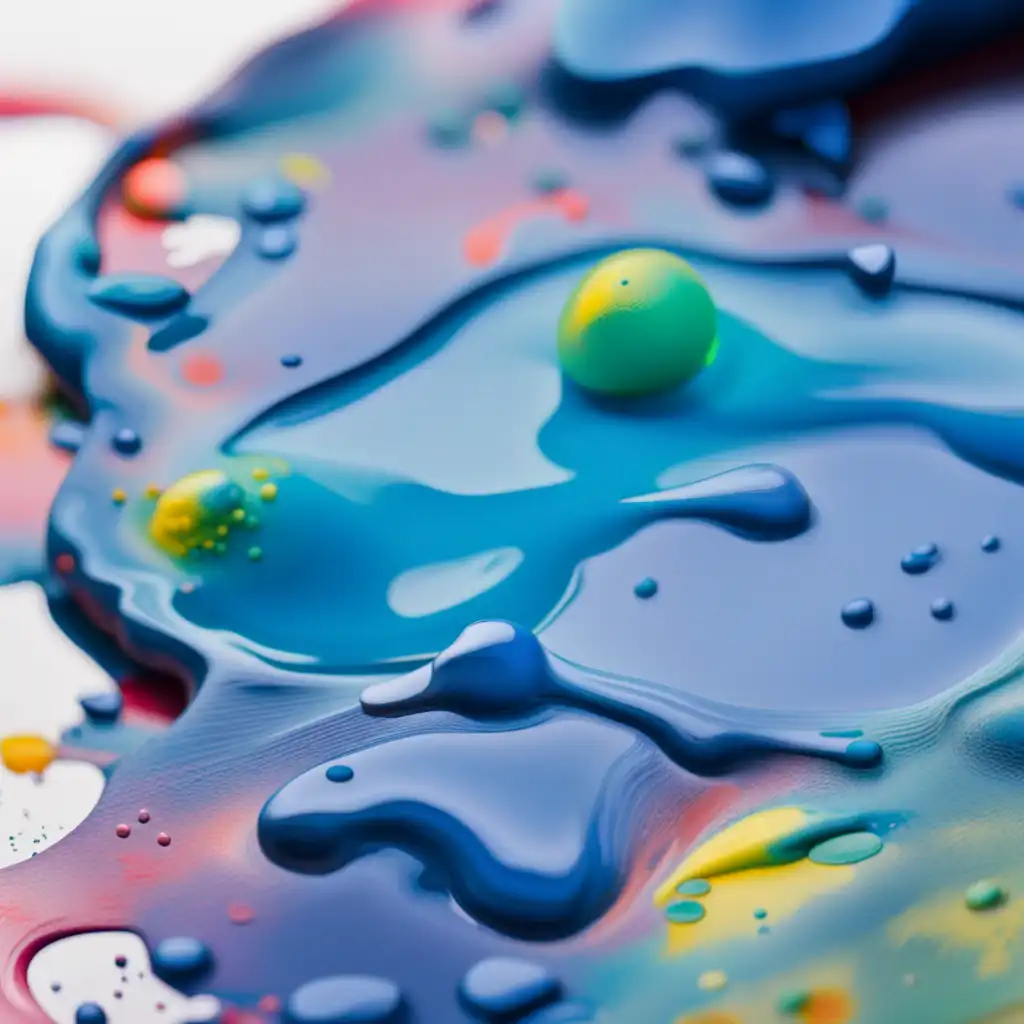
A drop or shapeless mass of something, such as a liquid or semi-solid substance.
I put a blob of paint on the canvas.
blob
blɑːb
Cargando…
blɑːb
A drop or shapeless mass of something, such as a liquid or semi-solid substance.
I put a blob of paint on the canvas.
blɑːb
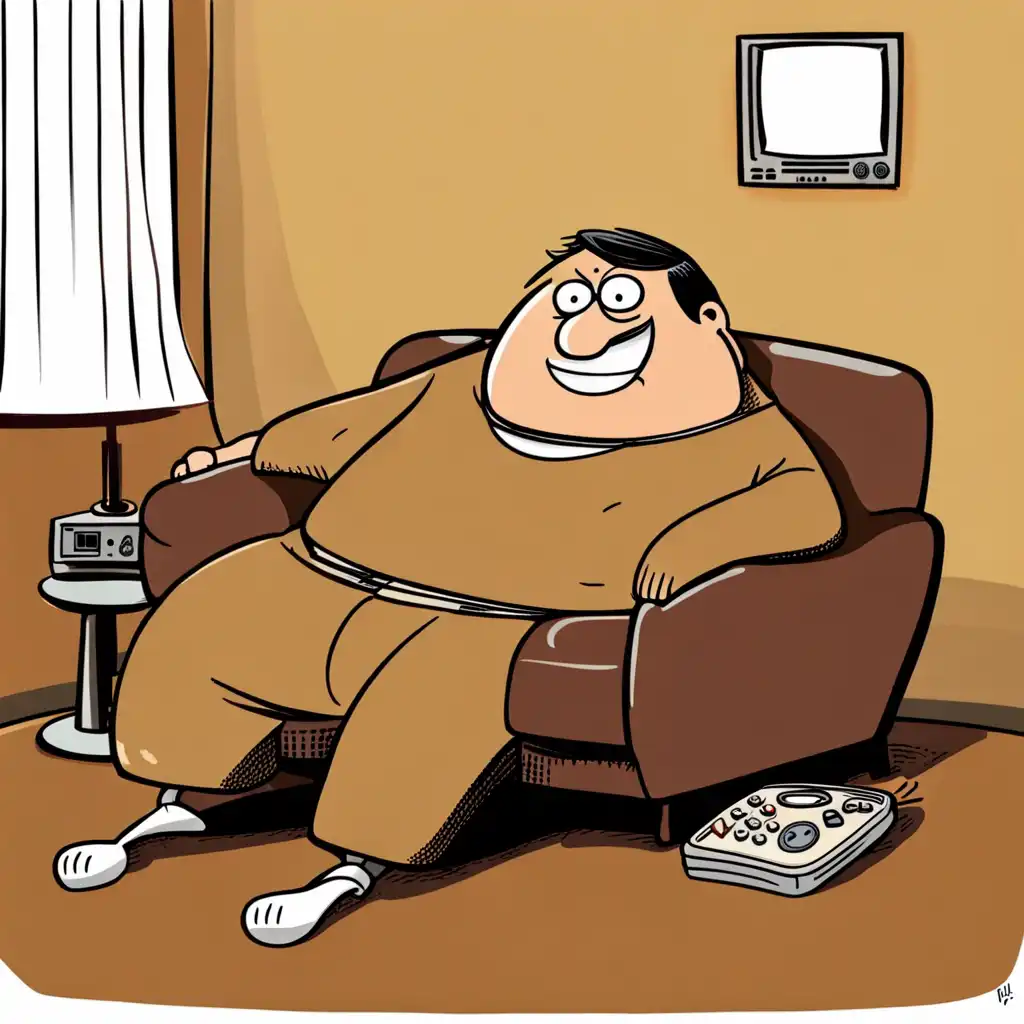
A person who is fat and lazy.
He just sits on the couch all day, what a blob!
blɑːb
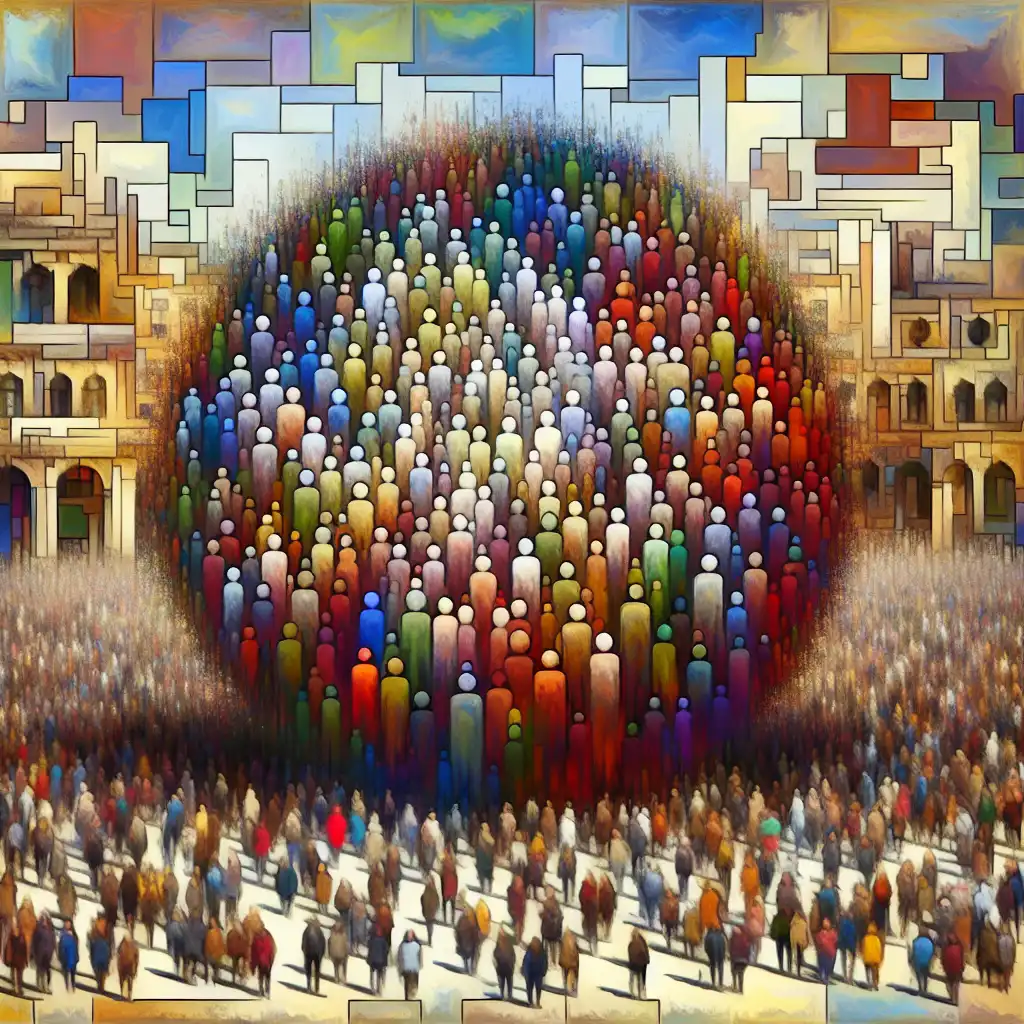
A large, indistinct shape or mass.
From a distance, the crowd looked like a blob of color.

blɑːb
In computing, a binary large object, often an image or multimedia file.
The image data is stored as a blob in the database.
No se pudo cargar el audio. Inténtalo de nuevo más tarde.
The word "blob" is often used to describe a shape that is round or irregular in shape, and often without specific definitions or boundaries. It can be used to describe things like a blob of paint, a blob of dirt, or a blob of jelly. In some contexts, it can even be used to describe something that is particularly amorphous or abstract, such as a feeling or emotion. Overall, the term is most commonly used when talking about something that is shapeless or undefined, and may be used in both formal and informal contexts.
However, a blob typically refers to a shapeless and roundish mark, while a blotch is a more irregularly shaped mark with undefined edges.
For example, spilled paint may create blobs on a surface, while a rash on the skin may appear as blotches.
The choice between using blob or blotch may depend on the size, shape, and texture of the mark being described.
Abrir palabra: Blotch →Clump mostly refers to a group or collection of something.
It can be a bunch of objects that are grouped together, like a clump of trees or a clump of dirt, or it can refer to something that is sticking together, like a clump of hair or a clump of soil.
The key difference between the two words is that blob refers to shapeless masses while clump refers to groups or collections of something.
Abrir palabra: Clump →Drop typically refers to a small, rounded amount of a liquid or substance that falls or is released from a surface.
For example, a drop of water falling from a faucet, or a drop of oil on a garage floor.
Blob describes a shape or form, while drop describes a small quantity of something.
Abrir palabra: Drop →Goo usually refers to a sticky or viscous substance that can be somewhat transparent.
It is often used to describe things like gooey dough, gooey slime, or a gooey substance that is left behind when something is melted or dissolved.
In essence, blobs are generally more solid and have a more defined shape, while goo is more fluid and sticky. Both words can describe a variety of substances, but they are typically used to describe different things.
Abrir palabra: Goo →Blob usually refers to a shapeless mass that has irregular edges and is often soft or squishy, like a pile of jello or a clump of wet clay.
Lump generally describes a solid, compact mass that is usually round or oblong in shape, like a lump of coal or a lump of sugar.
Blob is applicable when referring to a shapeless, soft substance, while lump describes a compact, solid substance.
Abrir palabra: Lump →A mound is a raised area or hill with a more defined shape. It's applicable when describing things that have a noticeable height, such as a molehill, a dirt pile, or a small hill.
Abrir palabra: Mound →Plop refers to a sound, usually made when something falls or drops into a liquid or soft substance.
So, while blob refers to a shape, plop refers to a sound. Each word is applicable in different contexts depending on what is being described – blob for something shapeless or uneven, and plop for a sound made when something falls or drops.
Abrir palabra: Plop →Wad refers to a small, compressed mass or bundle of something.
It is often used to describe things like a wad of cash, a wad of gum, or a wad of paper.
So, in simple terms, the difference between the two words is that blob describes something shapeless and without form, while wad describes something compressed and bundled together.
Abrir palabra: Wad →We usually don't notice the dust on our skin because we can't see a thin layer of dust on top of our skin color. But if you're invisible, people would see a human-shaped blob of dust walking around with extremely dirty soles. Gross! What do you think the world looks like if you are invisible? Well the answer is nothing.
Ver en YouTube ↗I go home, and I'm a blob. I just lay there and don't do anything - lay by the pool with the other husbands while the wives work. It's fantastic. It's really good. That's kind of our life at home.
As we more confidently localize where these gamma ray blobs are forming, we can better understand how jets are being accelerated, and ultimately reveal the dynamic processes by which some of the most fascinating objects in our universe are formed.
Ver en YouTube ↗I don't think an alien will be a blob. If aliens are out there they should have evolved just like us. They should have eyes and be walking on two legs. In short if there is any life out there then it is likely to be very similar to us.
years ago complex chemical molecules began to clump together to form microscopic blobs cells these were the seeds from which the Tree of Life developed they were able to split
Ver en YouTube ↗If the means were available, we could trace our ancestry - yours and mine - back to the first blob of life-like material that came into being on the planet.
difficult to see them using the infrared camera they're big or you can just see them poke an eye behind the termite man they are that hot oranjee blob is of course husana never I can only presume it's still the Impala we are losing
Ver en YouTube ↗The dignity of everyday life - the beauty of it, the attitude of it - is what I live around. And it is never on screen, and it is certainly never associated with Africa. If we see Africa at all, it is always used as a backdrop: a big blob of a continent rather than a specific street or a country or a place.
A third used oxygen gas to break down materials like sugar and release its energy into a form useful for life activities. The blob cells would occasionally absorb the little photosynthetic bacteria. These bacteria then lived inside the blob and divided like they always had,
Ver en YouTube ↗I'm practical, very data-driven, and process-oriented. If I look at a radar and see a giant green blob coming toward me, I'm thinking it's probably going to snow.
By the time it completes its orbit and returns, the blob will have consumed the entire world, if even a single portion that will wake up remains. How can you cut the blob entirely into acute triangles and stop it from destroying the planet?
Ver en YouTube ↗Almost nobody believes anymore that infants are insensate blobs. It seems both mad and evil to deny experience and feeling to a laughing, gurgling creature.
because what this is really good for is multidimensional data. The key is Our visual systems are good at detecting blobs and edges, but they're really bad at what our world has become, which is screens with lots and lots of data. We have to crawl that with our attentional systems.
Ver en YouTube ↗I think we've been dulled by capitalism. We're just blobs now - we're so worried about how we can keep paying the lease on the car, the mortgage, the lease on the toaster and all that. You can't really think about much else. If you lose that, you lose the whole lot.
Your neurons are firing like mad trying to make meaning out of this so that you see something other than black and white blobs. Your brain is sifting through a lifetime of experience, making thousands of guesses at the same time, weighing the probabilities, trying to answer the question,
Ver en YouTube ↗With caviar, you place a blob of it on sour cream or on a lettuce leaf and everyone is happy. I'm trying to get away from that.
Just with blobs of chemicals again. So the way this works is you have a simple system of five chemicals here, a simple system here. When they hybridize, you then form something that's different than before it's more complex than before, and you get the emergence of another kind of lifelike behavior which
Ver en YouTube ↗I see my large nose, like half an avocado. I broke it falling downstairs when I was six, and it now resembles a large blob of play-dough.
it will see something like this. Every one of these little blobs is a galaxy roughly the size of our Milky Way -- a hundred billion stars in each of those blobs. There are approximately a hundred billion galaxies in the observable universe.
Ver en YouTube ↗It was remarkable to see from space how predictable people are. Our homes and towns are almost all in places with moderate temperatures, and they generally have the same shape - a thinly occupied outer blob of suburb surrounding a densely populated core, all based around a ready source of water.