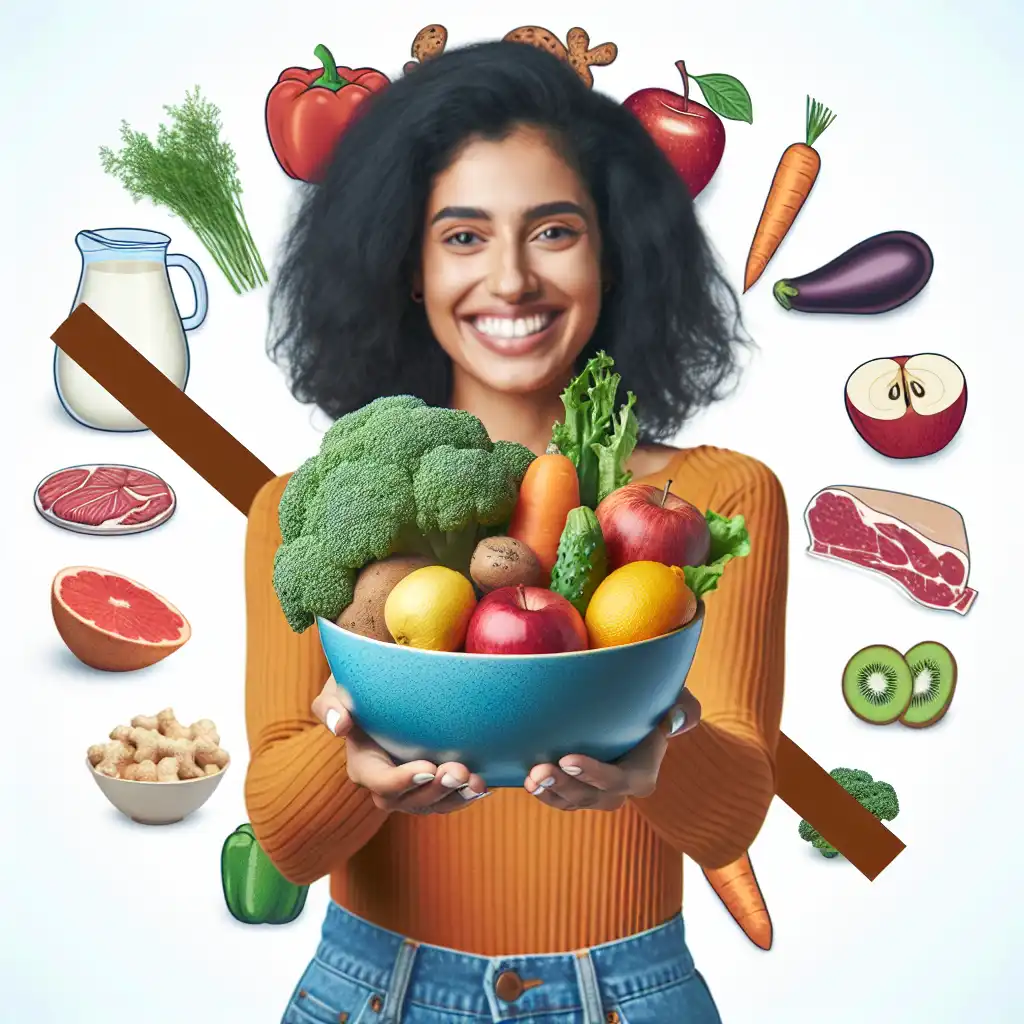
vegan
noun vegan
ˈviːɡən
A person who does not eat or use any animal products.
Jane is a vegan, so she doesn't eat meat or cheese.
vegan
ˈviːɡən
불러오는 중…
ˈviːɡən
A person who does not eat or use any animal products.
Jane is a vegan, so she doesn't eat meat or cheese.

ˈviːɡən
Relating to vegans or their way of life, not using or containing animal products.
She bought vegan shoes that were made without leather.
오디오를 불러오지 못했어요. 잠시 후 다시 시도해 주세요.
The word 'vegan' is used to describe a person who chooses not to consume or use any animal products. This includes not eating meat, dairy, eggs or honey, as well as not wearing clothes made of leather or wool. The word 'vegan' can also apply to products that are free from animal ingredients or not tested on animals. People who follow a vegan lifestyle believe in the ethical treatment of animals and reducing their impact on the environment. You might hear the word 'vegan' used in conversations about food, fashion, beauty products, and the environment.
Ethical refers to behavior that is morally right or good.
While being vegan can be seen as an ethical choice for some people, the two words are not interchangeable. Being ethical encompasses a broader range of behaviors, while being vegan specifically relates to dietary and lifestyle choices.
단어 열기: Ethical →Herbivorous refers to animals that mainly eat plants as a part of their diet, while vegan refers to people who avoid all animal products and by-products in their diet and also their lifestyle.
Herbivorous is only applicable to animals, while vegan is applicable to humans.
A herbivorous animal may eat some meat occasionally, while a vegan would never consume any animal products at all.
단어 열기: Herbivorous →Natural refers to something that is not artificial or human-made. It could be a product, food, or anything that is not produced in a laboratory or factory.
The two terms are often used interchangeably, but they are not the same thing. Natural doesn't necessarily mean vegan, and vegan doesn't necessarily mean natural.
For example, a natural product may still contain animal products or byproducts, while a vegan product may still be processed or contain artificial ingredients.
단어 열기: Natural →Vegetarian means a person who does not eat meat, poultry, or fish, but they do consume dairy, eggs, and other animal products.
Veganism is a stricter form of vegetarianism that does not allow any animal products or byproducts, while vegetarianism allows for some animal products.
단어 열기: Vegetarian →The Water Crisis %\PIPE%...
YouTube에서 보기 ↗I'm a vegan now, and I've never felt better in my life. In my life.
100 solutions to reverse...
YouTube에서 보기 ↗You don't have to become a vegan. You can become a plant-passionate, plant-inspired bean lover!
The tribes we lead -...
YouTube에서 보기 ↗I was raised a vegan until I was a teenager.
14 Tips On How To Have A...
YouTube에서 보기 ↗Being vegan is something that has changed my life tremendously.
TED2015 in review %\PIPE%...
YouTube에서 보기 ↗Being a vegan is a first-world phenomenon, completely self-indulgent.
How we can turn the tide...
YouTube에서 보기 ↗I do wonder if it's my responsibility to spread a message of environmental awareness or political awareness or just, like, don't be racist or whatever, but I don't want to be the person who's like, 'Everyone be vegan forever!
The tribes we lead %\PIPE%...
YouTube에서 보기 ↗I'm doing my bit to encourage people to try vegan by making vegan food affordable and accessible and absolutely delicious.
Earth Day Eve 2021 %\PIPE%...
YouTube에서 보기 ↗I clung to my vegan friends for more support than anyone because they helped guide me and made the transition much easier. My family was a bit skeptical, as they felt like I wasn't getting enough protein in my vegan diet.
Climate change is...
YouTube에서 보기 ↗I thought being vegan was going to be some really horrible way of life that had no flavor.
A flavorful field guide...
YouTube에서 보기 ↗If the vegan diet doesn't work out for you, at least you can do something for animals - whether that's the way you eat or the way you dress, everything helps, really.