
iodine
noun iodine
ˈaɪədaɪn
A chemical element that is often used as a disinfectant to kill bacteria
The nurse used iodine to clean the wound before stitching it up.
iodine
ˈaɪədaɪn
Loading…
ˈaɪədaɪn
A chemical element that is often used as a disinfectant to kill bacteria
The nurse used iodine to clean the wound before stitching it up.

ˈaɪədaɪn
A nonmetallic, dark-gray or black, lustrous element that is used in printing and photography
Iodine is used in the development process of photographs because of its sensitive light properties.
ˈaɪədaɪn
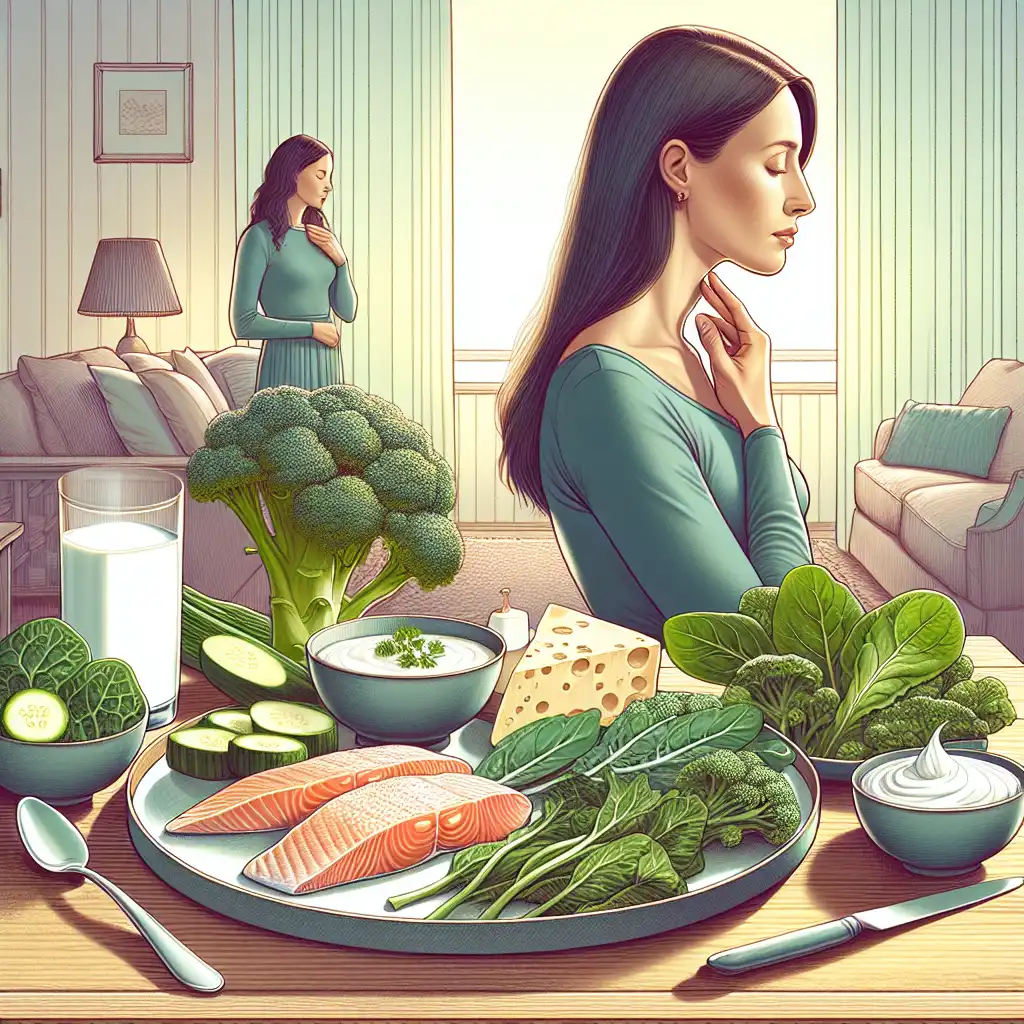
An essential trace element in nutrition for preventing diseases like goiter
Eating a diet rich in iodine can help prevent certain health problems like goiter.
Audio could not be loaded. Please try again later.
Iodine is a chemical element that is important for our body. It is used to make a type of hormone in our thyroid gland that regulates our metabolism. Iodine can be found in some foods like seafood, dairy products, and iodized salt. It is also used in medical treatments and disinfectants. It is important to have enough iodine in our body to stay healthy.
Antiseptic is a term used to describe a substance that can kill or prevent the growth of harmful bacteria or other microorganisms.
Iodine is a chemical element that can also act as an antiseptic. It has been used for many years as a topical disinfectant for wounds and surgical incisions.
Antiseptic is a general term used to describe any substance that can kill or prevent the growth of harmful bacteria.
Iodine is a specific element that can act as an antiseptic in certain applications, but it has other uses as well.
Open word: Antiseptic →Disinfectant refers to a chemical or substance that is used to kill germs, bacteria, or viruses on surfaces, objects, or in the air.
Iodine is also used in some disinfectants, but it is mainly used for topical application on the skin.
In summary, disinfectants are used to eliminate germs and bacteria in the environment, while iodine is primarily used for its antiseptic properties on the skin.
Open word: Disinfectant →An element is a substance made up of only one type of atom. It cannot be broken down into simpler substances. Iodine is a chemical element, symbolized as I, and has the atomic number 53.
This means that it is an element and cannot be broken down into simpler substances.
In simpler words, element is a general term used for any pure substance consisting of only one type of atom, whereas iodine is a specific type of element found on the periodic table with its unique properties and characteristics.
Element is applicable in a variety of scientific fields and contexts, while iodine is mainly used in chemistry, medicine, and health sciences.
Open word: Element →Germicide is a general term for anything that can kill germs like bacteria and viruses.
It can be in the form of chemicals, radiation, heat or other methods. Germicides are applicable in various settings like hospitals, food processing plants, and homes where there is a need to keep surfaces clean and free of harmful microorganisms that can cause disease.
In summary, germicides are used to kill germs in various settings, while iodine is a specific chemical used as a disinfectant for wounds and as a water purifier.
Open word: Germicide →Halogen is a group of chemical elements that includes iodine among others. Iodine is a specific element in the halogen group.
Halogens are mainly used in industries for producing plastics, disinfectants, solvents, and pharmaceuticals. Iodine is used in medical applications like antiseptics, X-ray contrast agents, and thyroid hormones.
In simpler terms, halogens are a group of elements, while iodine is just one specific element in that group. Halogens are mainly used in industries, while iodine is mainly used in medicine.
Open word: Halogen →Iodide is a compound made of iodine and another element, typically sodium or potassium. Iodide is found in some foods and is also used as a supplement to prevent iodine deficiency.
Iodine is an element, while iodide is a compound made up of iodine and another element. Iodine is found in nature whereas iodide is manmade.
Iodine is mainly used in industrial applications but iodide is mainly used for dietary uses.
Open word: Iodide →It is important for our thyroid gland to function properly. Mineral refers to a naturally occurring substance found in the earth that is essential for our body to function properly.
Minerals include things like calcium, iron, and magnesium.
Iodine is a type of mineral, but it is specific to one particular element. Minerals are a broad category of substances that are essential for our body's overall health and function.
So, while iodine is important for our body, it is just one small part of the larger category of minerals.
Open word: Mineral →You can help catch the counterfeits. All you need are some simple tools and a bit of chemistry. First up the anti-counterfeit detection pen. The pen looks like a highlighter and contains a solution of potassium iodide and elemental iodine.
Watch on YouTube ↗I don't have a thyroid anymore. I had radioactive iodine treatment, which destroyed my thyroid. I take medication every day.
That would be the third best thing we could do. The second best thing would be to focus on malnutrition. Not just malnutrition in general but there's a very cheap way of dealing with malnutrition namely the lack of micronutrients. Basically about half of the world's population is lacking in iron zinc iodine and vitamin A.
Watch on YouTube ↗Bulgaria is the first state that has been awarded for its excellent fight against iodine deficiency by UNICEF.
would most certainly get sick if they're drank that water just like that but there are ways of filtering it you know when you do wilderness safaris you're quite often take either iodine tablets
Watch on YouTube ↗Iodine has an incredible effect on the development of a child, during pregnancy and afterwards as well. Iodine is one of the micronutrients that the body does not produce or retain. Therefore we need to have iodize salt.
Rice, wheat and other grains can help to address protein-calorie under-nutrition. But only attention to horticulture, milk and eggs can help to overcome hidden hunger caused by the deficiency of micro-nutrients like iodine, iron, zinc, vitamin A, vitamin B12, etc.
The thyroid cells take up iodine with particular avidity and are able to store it up in great quantities.
I like to do projects in which you can see statistical results. I am very happy for all these small children, who have been the biggest group of victims of iodine deficiency.