navigability
noun navigability
ˌnævɪɡəˈbɪləti
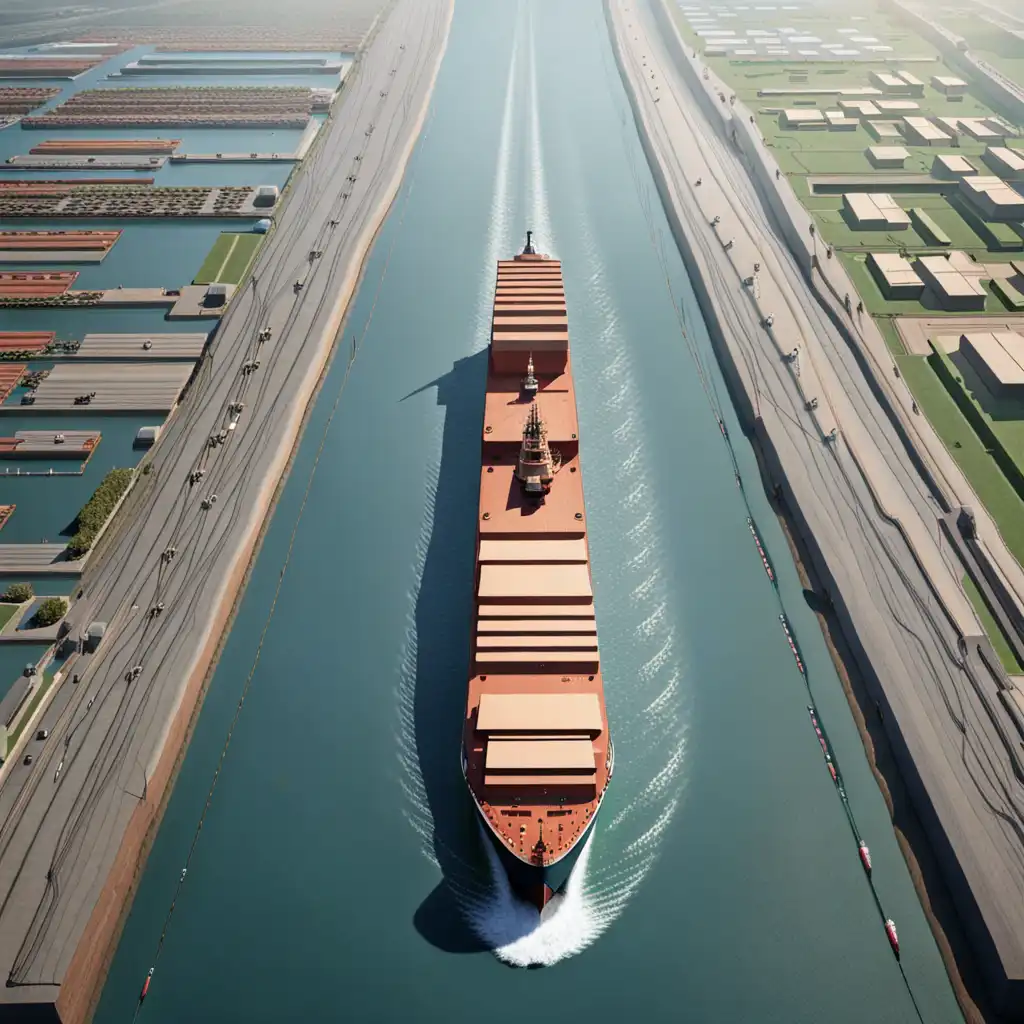
The condition of being suitable for the passage or travel by a vessel, especially a large one.
The canal's navigability was improved after dredging and widening.
navigability
ˌnævɪɡəˈbɪləti
Chargement…
ˌnævɪɡəˈbɪləti
The condition of being suitable for the passage or travel by a vessel, especially a large one.
The canal's navigability was improved after dredging and widening.

ˌnævɪɡəˈbɪləti
The quality of being easy to navigate or move through, especially in the context of a website or user interface.
The website's navigability was enhanced by adding a clear and simple menu.
Impossible de charger l’audio. Réessayez plus tard.
The word 'navigability' is used when we describe how easy or challenging it is to travel by boat or ship on a particular body of water. For example, if the water is very shallow or has a lot of obstacles like rocks or fallen trees, it may be difficult to navigate a boat through that area. On the other hand, if the water is deep and clear with few obstacles, it would be considered highly navigable. So, 'navigability' refers to how suitable a body of water is for travelling by boat.
Accessibility refers to the ease or possibility of reaching a particular place or using a particular service or resource.
Accessibility is about getting to a place or using a resource, while navigability is about getting around within that place or using that resource effectively.
Ouvrir le mot: Accessibility →A boat is a physical object that is used to travel on water.
Navigability refers to the ability of a body of water to be traveled on by boats. It takes into account factors such as depth, width, and obstructions such as rocks or sandbars.
So while a boat is something that is used to travel on water, navigability refers to the suitability of a particular body of water for safe and efficient boating.
Ouvrir le mot: Boat →A ferry is a type of boat or ship that is used for transporting people or vehicles across a body of water.
In essence, a ferry is a means of transportation that uses a navigable waterway to reach a particular destination. While a navigable waterway can be used for many purposes, including commercial shipping and recreational boating.
Ouvrir le mot: Ferry →Navigability refers to the ability of a waterway or body of water to be safely traveled by a boat or ship, while passage refers to the act of traveling from one place to another.
For example, a river may be navigable if it is wide and deep enough for boats to pass through without difficulty. A person may take a passage through a mountain range to reach their destination.
Navigability applies to water-related transportation, such as ships or boats, whereas passage can refer to any mode of transportation, such as walking, driving, or flying.
Ouvrir le mot: Passage →Sail refers to the act of traveling by boat or ship under the power of wind, using sails to catch the wind and move forward.
Navigability is applicable when talking about the ease of traveling through a waterway, while sail is applicable when talking about the method of travel itself.
Ouvrir le mot: Sail →Seafaring refers specifically to the act of traveling or working on the sea or ocean.
Seafaring is more applicable when referring to people who work on ships or boats, or when discussing the act of traveling by sea.
Ouvrir le mot: Seafaring →Navigability refers to the ease with which a waterway can be navigated or traveled by a vessel such as a ship. It pertains to the suitability of a water body for safe and easy navigation.
Ship refers to a large seafaring vessel that can carry cargo or passengers across water bodies. It is applicable in contexts related to transportation and trade, such as shipping goods overseas or taking a cruise on a large ship.
Ouvrir le mot: Ship →A waterway refers to any body of water used for transportation, such as rivers, canals, lakes, or oceans. It is a general term that can refer to any body of water that is used for transportation, including those that may not be suitable for boating.
Navigability refers to how easy it is to navigate a body of water, while waterway refers to any body of water used for transportation.
Ouvrir le mot: Waterway →Building the world's...
Voir sur YouTube ↗