
cheek
noun cheek
tʃiːk
The soft part of the face below the eye and between the mouth and the ear
He gave her a kiss on the cheek
cheek
tʃiːk
लोड हो रहा है…
tʃiːk
The soft part of the face below the eye and between the mouth and the ear
He gave her a kiss on the cheek

tʃiːk
Used to refer to a person's bold and disrespectful behavior
The cheek of him to lie right to my face

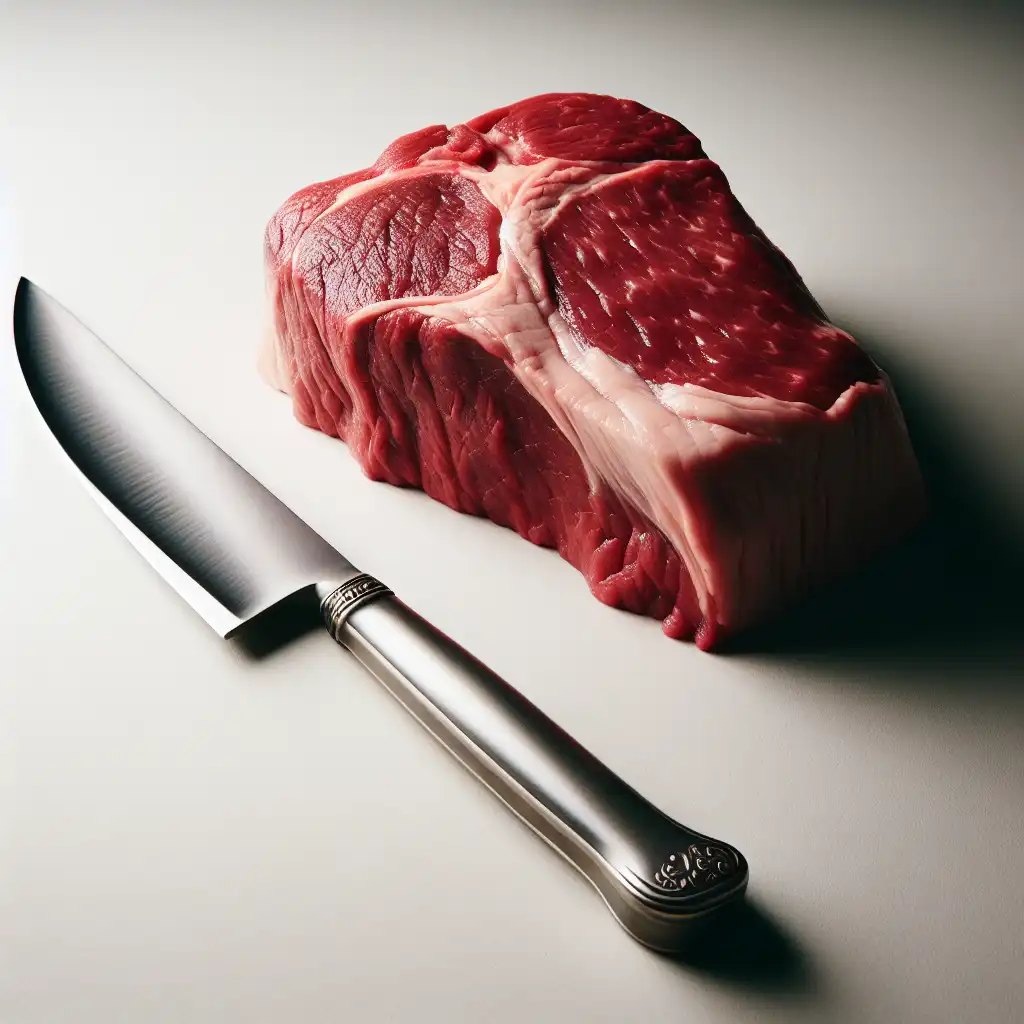
tʃiːk
A cut of meat from the head of a cow or pig
Beef cheek is a popular ingredient in some dishes
ऑडियो लोड नहीं हो सका। कृपया बाद में फिर कोशिश करें।
The word "cheek" can be used to refer to the fleshy part of your face that is below your eyes and above your mouth. For example, you might say "I have a pimple on my cheek." It can also be used to describe someone who is being bold or disrespectful, as in "He had the cheek to ask for a raise after not showing up to work for a week." In informal language, "cheeky" can mean someone who is being playful or mischievous in a harmless way, as in "She made a cheeky comment that made everyone laugh." Overall, "cheek" and its variations can refer to either a body part or someone's attitude, depending on the context in which the word is used.
Arrogant describes someone who is excessively proud, thinks too highly of themselves, and behaves in a conceited manner.
Arrogant describes someone who thinks they are better than others, while cheek refers to someone who is playful and a little bit daring.
शब्द खोलें: Arrogant →Both audacity and cheek refer to behaving with boldness or confidence, but there are some differences between them.
Audacity refers to having the courage to take risks or do something unusual or even shocking, even when others may disapprove.
For example, if someone spoke out against a powerful leader and criticized their policies, that might be considered an act of audacity.
Both audacity and cheek can be applicable in different situations, depending on the context and tone of the behavior. Audacity may be more appropriate when someone is pushing boundaries in a way that can be admired, while cheek may be more appropriate when someone is being playful and lighthearted, but may also cause offense.
Ultimately, whether someone is demonstrating audacity or cheek depends on the situation, and the way in which they are behaving.
शब्द खोलें: Audacity →Brazen means showing no shame in doing something that is wrong or disrespectful. For example, a person who steals from a store right in front of the security cameras is acting brazenly.
Brazen implies a lack of shame for doing something wrong, while cheek refers to being boldly impudent or disrespectful.
शब्द खोलें: Brazen →A buttress is a structure built against a wall to support or reinforce it, often in the form of a triangular shaped support.
Buttress is applicable in the field of architecture and engineering to add support and strength to a structure, while cheek is applicable in describing the anatomy of the face.
शब्द खोलें: Buttress →Both cheek and gall can be used to refer to a person's behavior, but they have slightly different connotations.
Gall on the other hand, refers to behavior that is more offensive or annoying. It suggests that someone is behaving inappropriately or causing annoyance or frustration to others.
For example, someone might show gall by talking loudly on a cell phone in a movie theater, or by cutting in line at a busy store.
So, in short: cheek refers to bold or impudent behavior that is not necessarily rude or offensive, while gall refers to more irritating or offensive behavior that is likely to upset or annoy others.
शब्द खोलें: Gall →Both cheek and impudence refer to behavior that is disrespectful or rude, but there are some differences.
Impudence refers to behavior that is very disrespectful, often with the intention of offending someone. It's more serious than cheekiness and implies a lack of respect or consideration for others.
Cheek is a more lighthearted term that can sometimes be seen as endearing or charming, while impudence is a more negative term that implies serious disrespect or rudeness.
शब्द खोलें: Impudence →"Insolence refers to a deliberate and intended act of disrespect, often with the aim of causing offense or upset.
Cheek describes an attitude or behavior that is somewhat lighthearted or harmless, while insolence indicates a more serious and provocative form of disrespect.
शब्द खोलें: Insolence →Nerve typically refers to the feeling of courage or boldness that someone has in a difficult situation. For example, if someone has the nerve to stand up to a bully, it means they are showing courage.
Cheek is used when someone is being audacious or bold in a potentially charming or impudent way, and nerve is used when someone is showing courage in a difficult situation.
शब्द खोलें: Nerve →oh dear big cheeks and narrow bottlenecks
YouTube पर देखें ↗There's more to life than cheek bones.
and recurved teeth behind the sunfish's cheeks. Even tiny lobster slipper larvae can cling to the bell of a jellyfish and hitch a ride, snacking on the jelly while they preserve their own energy for growth. Small agile fish use the jellies as moving reefs for protection,
YouTube पर देखें ↗I have a nice smile, pretty lips, and big round cheeks. They help me look like a teenager.
and I could literally feel the blood trying to leave my hands, feet and face and rush to protect my vital organs. It was the coldest I've ever been. But even with swollen lips sunken eyes and cheeks flushed red,
YouTube पर देखें ↗To all you men out there who want to use turning the other cheek as an excuse for your weakness... man up! Develop yourself to the point that you are powerful enough to face any conflict in your life head on and without trouble. Then, use your newfound confidence to avoid the conflict.
down his cheeks he said that he's dead Joakim ample monsters
YouTube पर देखें ↗The first man to compare the cheeks of a young woman to a rose was obviously a poet; the first to repeat it was possibly an idiot.
will welcome the incomparable Aimee Mullins chipmunk cheeks Oh
YouTube पर देखें ↗I believe in the philosophy of turning the other cheek.
a muscle that attaches your cheek to your teeth, or the body's tiniest skeletal muscle, a one-millimeter-long tissue fragment called the stapedius that's nestled deep inside the ear. Wherever they occur skeletal muscles are connected to the somatic nervous system,
YouTube पर देखें ↗I'm tongue in cheek, but very much to the point.
orphans in the end there's no chance that one female can raise a foundling by herself and almost all abandoned chicks are abandoned again one parent is needed to keep the cheek warm while the other goes for food
YouTube पर देखें ↗We thought Queen were quite tongue in cheek.
and the first tear of joy rolls down on her cheek, I see the glimpse of God in it -- this is my biggest inspiration. And I am so lucky that not once as I said before but thousands of times, I have been able to witness my God in the faces of those children and they are my biggest inspirations.
YouTube पर देखें ↗L. A. is crazy. The women all look the same now. That thing with the cheeks. Like Madonna. Who do they think they're fooling? It doesn't make them look young. You end up looking like a freak.
We perfect. If there's anyone who wants their life to look like this it would be me, but it doesn't work. Because what we do is we take fat from our butts and put it in our cheeks.
YouTube पर देखें ↗I don't deserve any credit for turning the other cheek as my tongue is always in it.
spot it puts in doggy bags called its cheek pouches which it uses while foraging for more food next meal the bone the catch with their distinctively long tails aren't afraid to raid homes
YouTube पर देखें ↗My mom was so people-friendly. She was incredible. She'd go to the mall, and she'd talk to everyone. Give people a kiss on the cheek. I think if I wasn't pushed around a lot, I'd be great with people. Maybe I still can be.