grot
noun grot
ɡrɑːt
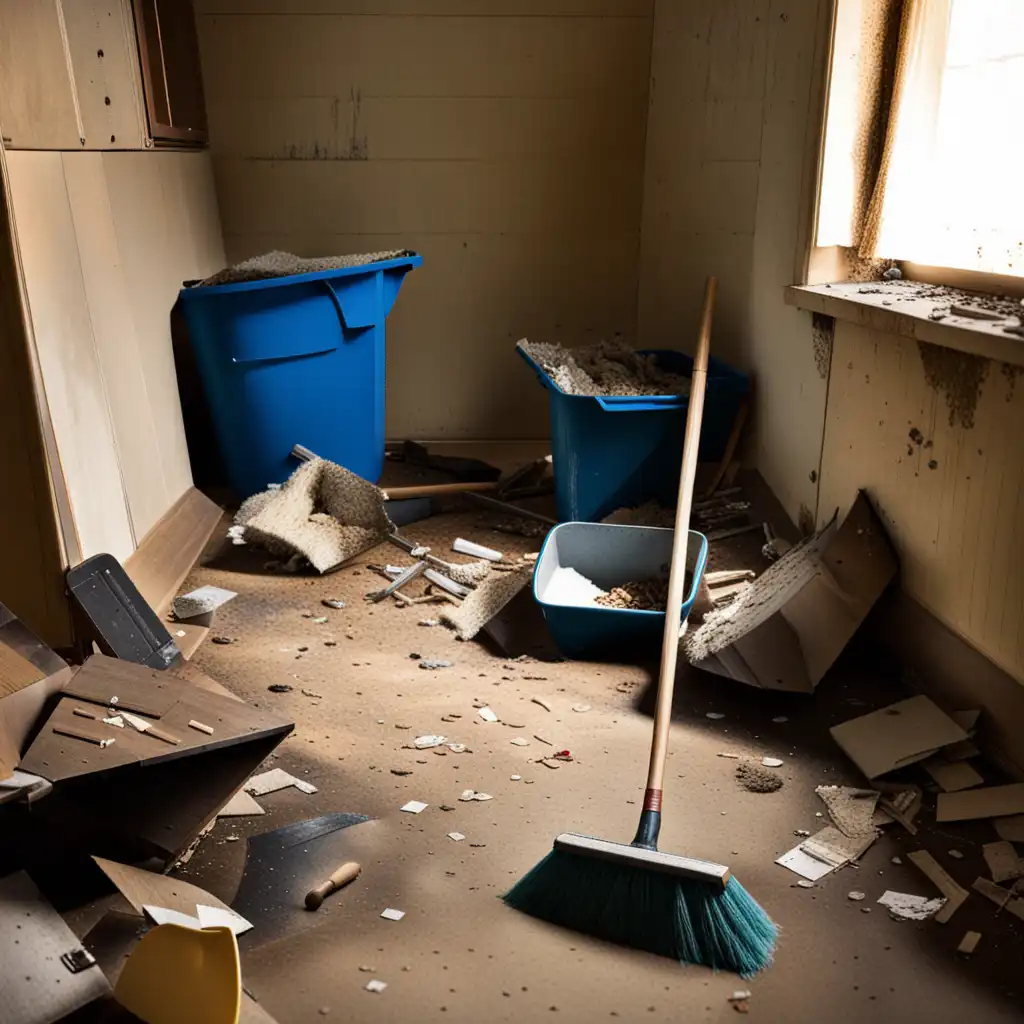
Small pieces of dirt or rubbish
Nobody bothered to clean up the grot in the corner of the room.
grot
ɡrɑːt
Loading…
ɡrɑːt
Small pieces of dirt or rubbish
Nobody bothered to clean up the grot in the corner of the room.

ɡrɑːt
A disparaging term for a poorly maintained place or thing
His old car is a complete grot.

ɡrɑːt
An unattractive or rebarbative person
He's such a grot, I can't stand him.
Audio could not be loaded. Please try again later.
The word 'grot' is a slang term that means a dirty or unpleasant place or situation. It can be used to describe a messy room or a run-down building. It is not a formal word, so it's important to be careful when using it in professional settings. It is more commonly used in casual conversations among friends or when talking about something that is not very clean or nice.
A cave is a natural underground space or a large hole in the side of a cliff or mountain, typically with an opening at the front.
A cave is a natural underground space formed by natural processes, while a grot is a human-made underground space used for decoration or entertainment.
Open word: Cave →A cavern is a large natural underground chamber, typically with stalactites and stalagmites formed by water dripping from the roof or walls over a long period of time.
These formations can make a cavern a popular tourist attraction. Caverns are typically found in limestone and are formed by water erosion.
A cavern is a large natural underground chamber, while a grot is a small artificial cave or grotto typically used for decorative purposes.
Open word: Cavern →Den refers to a small room or a hideaway that is typically used as a secret place for children to play in or a place for animals to live in.
Grot is a large, dark, and gloomy cave or a chamber that is formed naturally or carved out. Den is applicable for describing a small, cozy room or a hidden spot, while grot is applicable for describing a large, dark cave, or chambers with damp and cool spaces.
Open word: Den →Dirt generally refers to the soil or mud found on the surface of the ground.
It can also refer to general filth or messiness. Grot usually refers to a more severe kind of dirtiness, often involving decay or rot. It may also imply unpleasantness or disgust.
Open word: Dirt →Filth refers to something that is dirty, disgusting, and generally unpleasant.
Grot refers to a more specific type of dirt or filth - it usually describes a damp or slimy substance that is found in dark, unpleasant places.
Both words are applicable in different contexts - filth might be used to describe a messy room, while grot might be used to describe a dingy basement.
Open word: Filth →Grime is a term used to describe dirt and filth that accumulates from everyday use or neglect. It typically refers to a surface that is soiled with a thick, sticky layer of dirt that has become ingrained over time.
Grime is usually found in hard-to-reach areas, such as corners, grooves, and crevices.
Grot is a more severe form of grime. It typically refers to a state of extreme filth, where the surface is covered in a thick, slimy layer of dirt and grime.
Grime is a common form of dirt and filth that can be found in everyday environments. Grot is a more severe form of dirt and filth that is typically associated with neglected or abandoned environments.
Open word: Grime →Grot refers to a natural cave or fissure formed in rocks, whereas grotto refers to an artificial or human-made cave, often with decorative features like statues or fountains.
Grot is applicable when referring to a naturally occurring cave, while grotto describes an artificial cave, usually created for decorative purposes, such as in a garden or park.
Open word: Grotto →It can also refer to a small and unkempt room in a house. Hollow usually refers to a space inside something that is empty or has very little substance, like a hollow tree or a hollow sound.
It can also refer to a sunken or low-lying area of land. So grot usually describes a specific type of underground space, while hollow can be used for any kind of empty or sunken space.
Open word: Hollow →