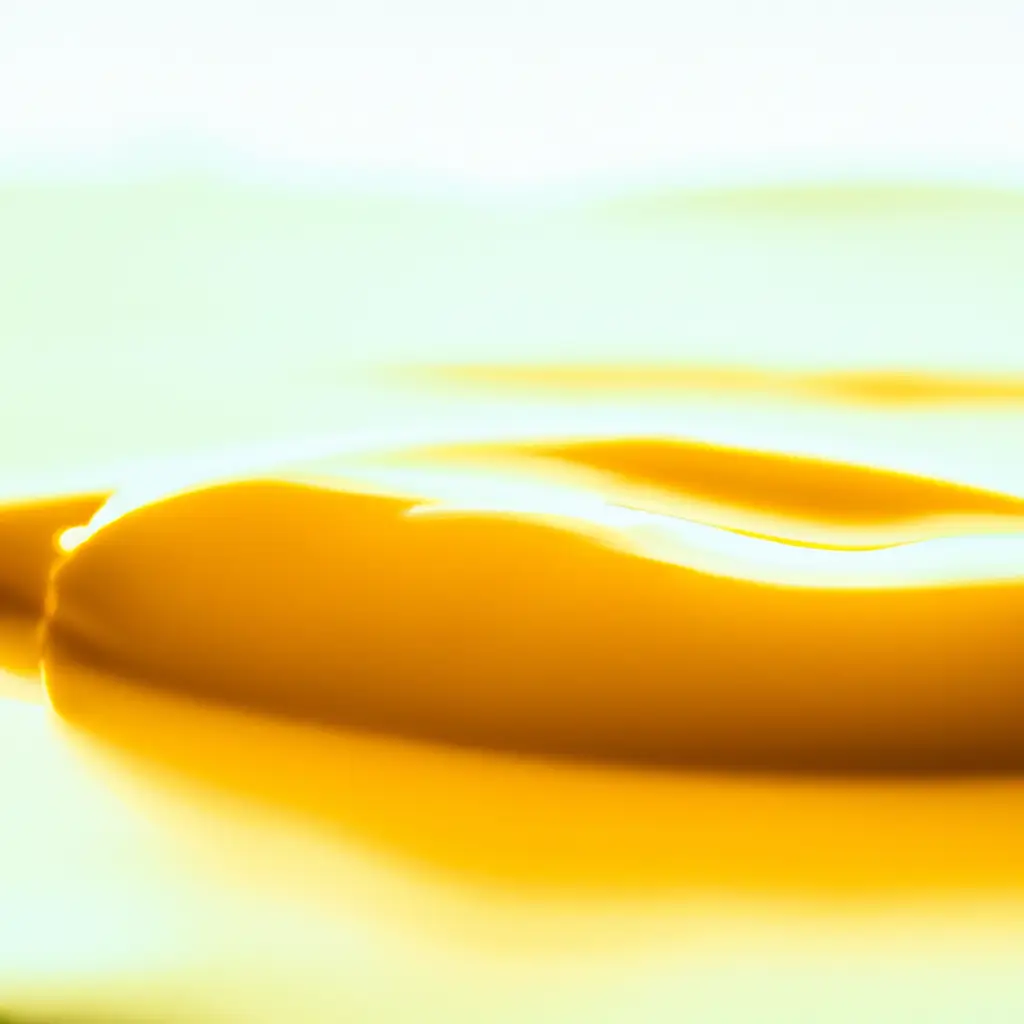
runny
adjective runny
ˈrʌni
If a substance is runny, it flows easily because it is liquid or soft.
The eggs are still runny, I think they need to be cooked a bit more.
runny
ˈrʌni
読み込み中…
ˈrʌni
If a substance is runny, it flows easily because it is liquid or soft.
The eggs are still runny, I think they need to be cooked a bit more.

ˈrʌni
If your nose is runny, mucus is flowing from it, usually because you are sick.
I have a runny nose, I must be catching a cold.
音声を読み込めませんでした。しばらくしてからもう一度お試しください。
The word 'runny' is typically used to describe something that is too liquid or watery. For example, if you are talking about eggs, you may say that the yolk is runny if it is not fully cooked and still liquid. It is also often used to describe a person's nose when they are sick, saying that their nose is runny means that it is producing too much liquid. Overall, when using the word runny, you are describing something that has too much liquid or is not thick enough.
Dilute refers to the extent to which something is mixed with water or other liquid. For example, if you add water to a concentrated juice, you dilute it to make it less intense.
Runny typically refers to the consistency or thickness of a liquid. For example, soup that is too watery might be described as "runny." So while dilute describes the concentration of a liquid, runny describes the consistency or thickness of a liquid.
単語を開く: Dilute →Flow generally describes a consistent movement or circulation of a liquid or substance. For example, a river flows.
This word can also relate to movements in general, such as "the traffic flowed smoothly".
Flow refers to a smooth and consistent movement, while runny refers to a substance that is overly fluid and lacks texture or consistency.
Flow can be applied to many different scenarios, while runny typically only describes liquids or substances that are meant to have a thicker consistency.
単語を開く: Flow →Both fluid and runny refer to substances that are able to flow easily.
However, the word fluid is more general and can refer to any liquid or gas. For example, water, oil, and air are all fluids.
So, while fluid can describe any substance that flows easily, runny usually describes a specific type of fluid - one that is thin and watery.
単語を開く: Fluid →Liquid and runny both refer to substances that flow easily, but there is a subtle difference between the two. Liquid is a state of matter that describes a substance that flows freely and has a fixed volume, but it can take different shapes.
For example, water is a liquid that can take the shape of its container.
Runny refers to liquids or semi-liquids that are thinner than usual and flow easily. For example, soup can be runny if it is too thin or watery.
Liquid refers to a state of matter while runny describes the consistency of a liquid or semi-liquid.
Liquids can be runny or thick, but runny cannot be described as liquid because it does not necessarily have a fixed shape or volume.
単語を開く: Liquid →Loose and runny are both adjectives used to describe substances that are not thick or solid, but they have slightly different meanings and uses.
Loose generally means something is not tightly packed together and can easily fall apart or be spread out. For example, loose sand might flow through your fingers, and a loose shirt might hang off your body without clinging tightly.
When talking about bodily functions, loose usually refers to stools or bowel movements that are softer or less formed than normal.
Loose describes something that is not tightly packed together, while runny describes something that is flowing or dripping easily.
Loose is typically used to describe solids or semi-solids, while runny is typically used to describe liquids or fluids.
単語を開く: Loose →Moist means slightly wet, damp or humid. It's usually used to describe things that are still firm to the touch but have a little bit of moisture, like a moist cake or a moist towel.
So, while both words describe a certain level of wetness, moist implies a moderate level of wetness while runny implies a higher level of liquid consistency.
単語を開く: Moist →Thin describes a liquid or substance that has a low viscosity, meaning it is not very thick. For example, thin soup or thin paint.
Runny refers to the ability to flow easily and thin refers to the consistency of the substance itself.
単語を開く: Thin →Watery usually describes fluids that have a lot of water in them or have been thinned out with water.
It can also describe substances that lack flavor or substance because they have too much water in them. For example, watery soup, watery eyes or watery juice.
Runny relates to a liquid's consistency, while watery relates to its composition or taste.
単語を開く: Watery →Both runny and wet describe a substance that contains liquid.
However, runny means that the liquid is flowing or moving freely, while wet simply means that the substance is damp or moist.
For example, if you leave a glass of ice out on a hot day, the ice will become runny as it melts, and the table under the glass will become wet from the spilled water.
Runny is more applicable when you want to describe a liquid that is moving around, while wet is more commonly used to describe something that is simply moist.
単語を開く: Wet →Why Medicine Often Has...
YouTube で見る ↗Life can make you do many things, even kiss a man with a runny nose.
Toothpaste %\PIPE% Ingredients...
YouTube で見る ↗I'd gig three to five times a week while I was doing my A-levels. I'd always come in with a runny nose 'cause I was always ill and run-down. But I just pushed through.
How does our gut talk to...
YouTube で見る ↗Female characters in literature are full. They're messy: they've got runny noses and burp and belch. Unfortunately, in film, female characters don't often have that kind of richness.
Why do people have...
YouTube で見る ↗When I became a mother of two, I decided to work with brands that remind me of family because they're my No. 1 priority. Now I'm partnering with Puffs to encourage people to get out and not hibernate inside. People should enjoy the holiday season, and if you do have a runny nose or the sniffles, Puffs is there to take care of your symptoms.
What's in Peanut Butter?...
YouTube で見る ↗Written and directed by French showman Georges Melies, 'Le Voyage' features one of the most indelible images in cinema history: the wounded Man in the Moon bleeding like a particularly runny Brie, grimacing in pain with a space capsule protruding from his right eye.
Safari Live - Day 125 %\PIPE%...
YouTube で見る ↗How do germs spread (and...
YouTube で見る ↗The chemistry of cookies...
YouTube で見る ↗The science of macaroni...
YouTube で見る ↗Volcano 101 %\PIPE% National...
YouTube で見る ↗