
effusion
noun effusion
ɪˈfjuːʒn
The act of pouring out feelings or expressions in a lengthy manner
He made a long effusion of gratitude to his benefactor.
effusion
ɪˈfjuːʒn
Chargement…
ɪˈfjuːʒn
The act of pouring out feelings or expressions in a lengthy manner
He made a long effusion of gratitude to his benefactor.
ɪˈfjuːʒn
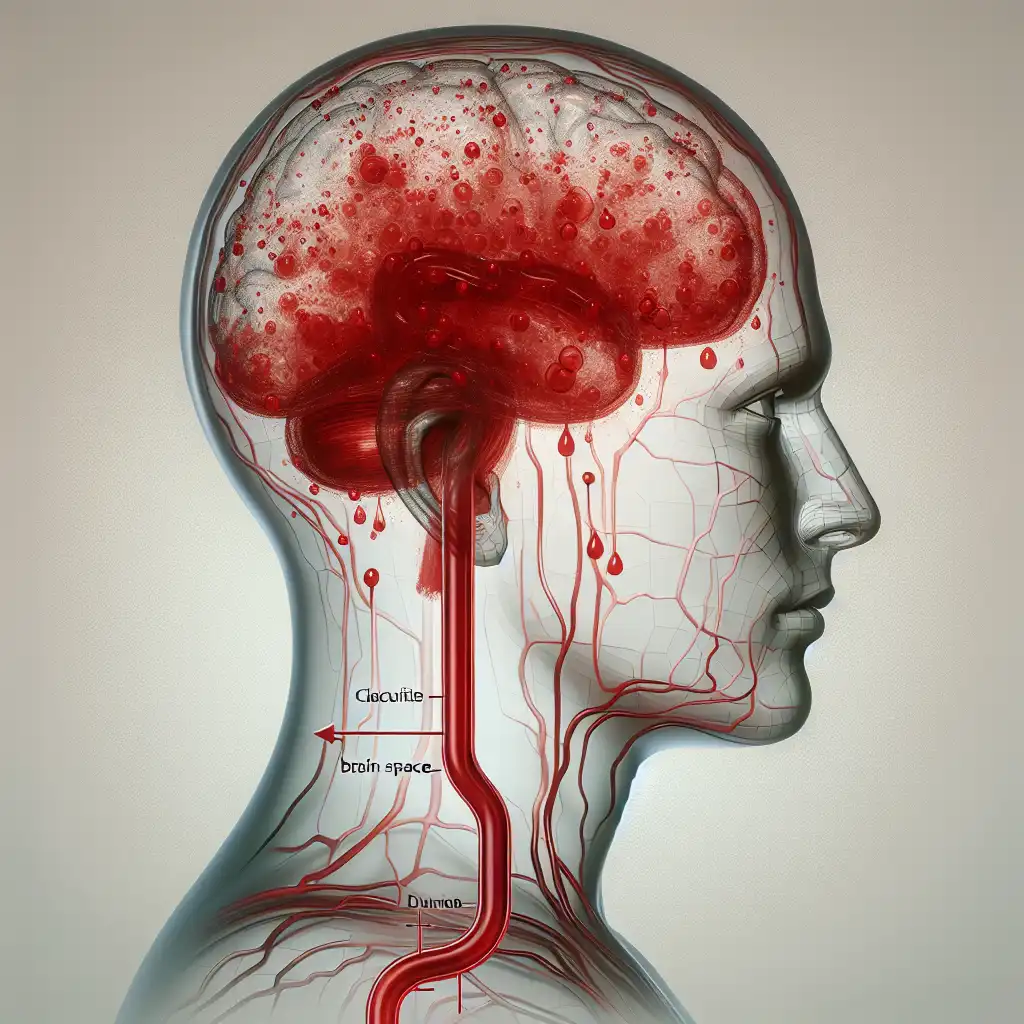
The unwanted escape of fluid, usually from body parts into spaces where it should not be.
There was an effusion of blood into the brain space.
Impossible de charger l’audio. Réessayez plus tard.
The word 'effusion' means a release or pouring out of something, usually a liquid or gas. It can be used in various contexts such as medical, scientific, or emotional. For instance, in medical terms, an effusion refers to the accumulation of fluid in a specific part of the body. In scientific terms, effusion can be used to describe the escape of gas from a confined space. In an emotional context, effusions are often used to describe the expression of strong feelings, such as joy or grief.
Discharge refers to the act of releasing or letting go of something, whereas the word effusion refers to the act of flowing out of something.
In medical terms, discharge is often used to describe bodily fluids that are released from the body, such as vaginal discharge or discharge from a wound.
Discharge is used more often to describe intentional or unintentional release, while effusion is used more often to describe a natural or spontaneous flow.
Ouvrir le mot: Discharge →Effusion and emanation both refer to the idea of something flowing or spreading outwards, but they are used in slightly different ways.
Emanation usually refers to a more abstract or intangible flow or spread, like an idea or energy emanating from a person or place.
Effusion is more commonly used to describe physical things, while emanation is more often used for abstract concepts.
Ouvrir le mot: Emanation →Effusion is a slow and gradual release of something, while an eruption is a sudden and violent release.
Eruption describes a sudden and violent release of energy or substance, such as a volcanic eruption or an outbreak of anger.
Simply put, effusion is a slow and steady release, while an eruption is a sudden and explosive release.
Ouvrir le mot: Eruption →Expression refers to the communication of thoughts or feelings through words, actions, or art. It is applicable in almost any context where people communicate, such as writing, speaking, and body language.
For example, a dancer may use movement as an expression of emotion, while a poet uses words to express their thoughts and feelings.
In simpler terms, effusion is a physical release of something while expression is a communication of something.
Ouvrir le mot: Expression →Effusion and leakage both refer to the escape of a substance from its container or confinement.
Leakage is an unintended and often uncontrollable escape of a substance, such as water leaking from a pipe or oil leaking from a car engine.
Ouvrir le mot: Leakage →Both effusion and outpouring refer to a release of something in great quantity.
However, effusion typically refers to a more gradual release, while outpouring suggests a sudden and forceful release.
For example, an effusion of tears might describe someone crying quietly and steadily, while an outpouring of tears would describe someone bursting into uncontrollable sobs.
Effusion describes more peaceful or gradual releases, while outpouring is used for more dramatic or sudden ones.
Ouvrir le mot: Outpouring →Overflow usually implies a sudden or excessive release of something beyond its capacity, often used in the context of liquids.
For example, a sink could overflow with water if the tap was left running too long, or a river could overflow its banks after heavy rain.
Effusion is more gradual and can refer to gases or emotions, while overflow is more sudden and typically describes an excess of liquid.
Ouvrir le mot: Overflow →Effusion refers to the act of something slowly leaking or seeping out, usually a fluid or gas. Release means to set something free or to let something go.
Release can refer to physical objects as well as emotional or psychological states.
For example, a leaking faucet can be described as an effusion of water while releasing a bird from its cage is an example of a release.
Effusion is applicable in situations where there is a slow and continuous leakage or seepage, while release is used when describing the act of setting something free or letting it go.
Ouvrir le mot: Release →The liveliest effusions of wit and humour are simply what the reader of a novel has a right to expect.
An honorable Peace is and always was my first wish! I can take no delight in the effusion of human Blood; but, if this War should continue, I wish to have the most active part in it.
The Mexican succumbs very easily to sentimental effusions, and therefore he shuns them.
The Lord receive my soul, and have mercy on me, and bless this kingdom with peace and charity, that there may not be this effusion of Christian blood amongst them.