
longways
adverb longways
ˈlɔːŋweɪz
In a lengthwise direction, along the longer dimension of something.
Place the table longways in the room.
longways
ˈlɔːŋweɪz
Chargement…
ˈlɔːŋweɪz
In a lengthwise direction, along the longer dimension of something.
Place the table longways in the room.
ˈlɔːŋweɪz
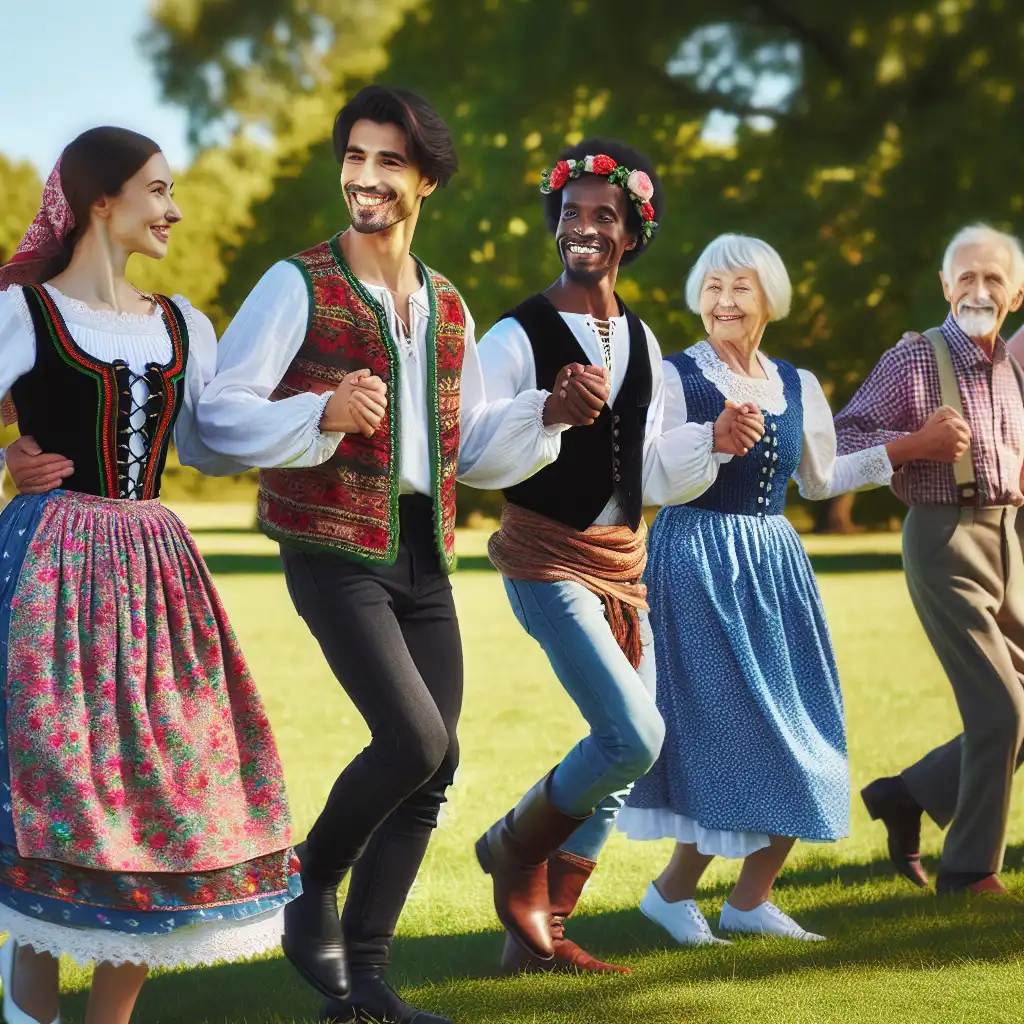
In a manner that involves forming a line or column in a dance or other group activity.
In a traditional folk dance, the dancers arranged themselves longways.
Impossible de charger l’audio. Réessayez plus tard.
The word 'longways' is usually used to describe the direction in which people are standing or moving. It refers to a forward-facing position, where people are standing or moving in a line, one after the other. For example, when doing a dance, people may line up longways, with one person at the front and others following behind in a line. Another example could be in a hallway, where people are walking longways down the corridor, rather than sideways or diagonally. Essentially, 'longways' means moving in a straight or linear direction.
Alignment refers to the positioning of two or more objects or lines in a straight line or in the same direction. For example, aligning the edges of two book pages before stapling them together.
Alignment relates to positioning objects in a straight line or direction, while longways refers to the lengthwise orientation of an object.
Ouvrir le mot: Alignment →Longitudinal refers to something that goes along the length of something else, like a measurement or a study.
For example, a longitudinal study might collect data from the same group of people over a long period of time to see how they change.
To summarize: longitudinal has to do with length as it relates to time or data, while longways has to do with the direction of something's length.
Ouvrir le mot: Longitudinal →Parallel refers to something that is oriented in a way that is always the same distance apart, like railway lines or the sides of a rectangle.
While longways refers to the orientation, parallel refers to the relationship of two or more items in terms of distance and position.
The applicability of each depends on the context in which they are used. For example, in dance, longways may be used to describe a formation where dancers face each other in two lines, while parallel may be used to describe the arrangement of bookshelves in a library.
Ouvrir le mot: Parallel →Straight typically means something that is not curved or bent, and usually describes the path or direction of something that is moving.
For instance, if you throw a ball, it will move in a straight line until it hits something or loses its momentum.
Longways describes the position or orientation of something that is long and narrow, while straight describes the path or direction of something that is moving in a single, unbroken line.
Ouvrir le mot: Straight →Upward refers to something moving or being oriented in an upward direction, towards the sky or the ceiling. This means it is applicable when talking about things like the movement of an elevator or a balloon rising in the air.
Longways refers to orientation along length, while upward refers to orientation in an upward direction.
Ouvrir le mot: Upward →Vertical refers to a direction that is perpendicular to the ground. For example, if you were to hang a picture on the wall, you would want to make sure it is straight and vertical.
Longways describes something being parallel to a long edge, while vertical describes something being perpendicular to the ground.
Ouvrir le mot: Vertical →