lagoon
noun lagoon
ləˈɡuːn
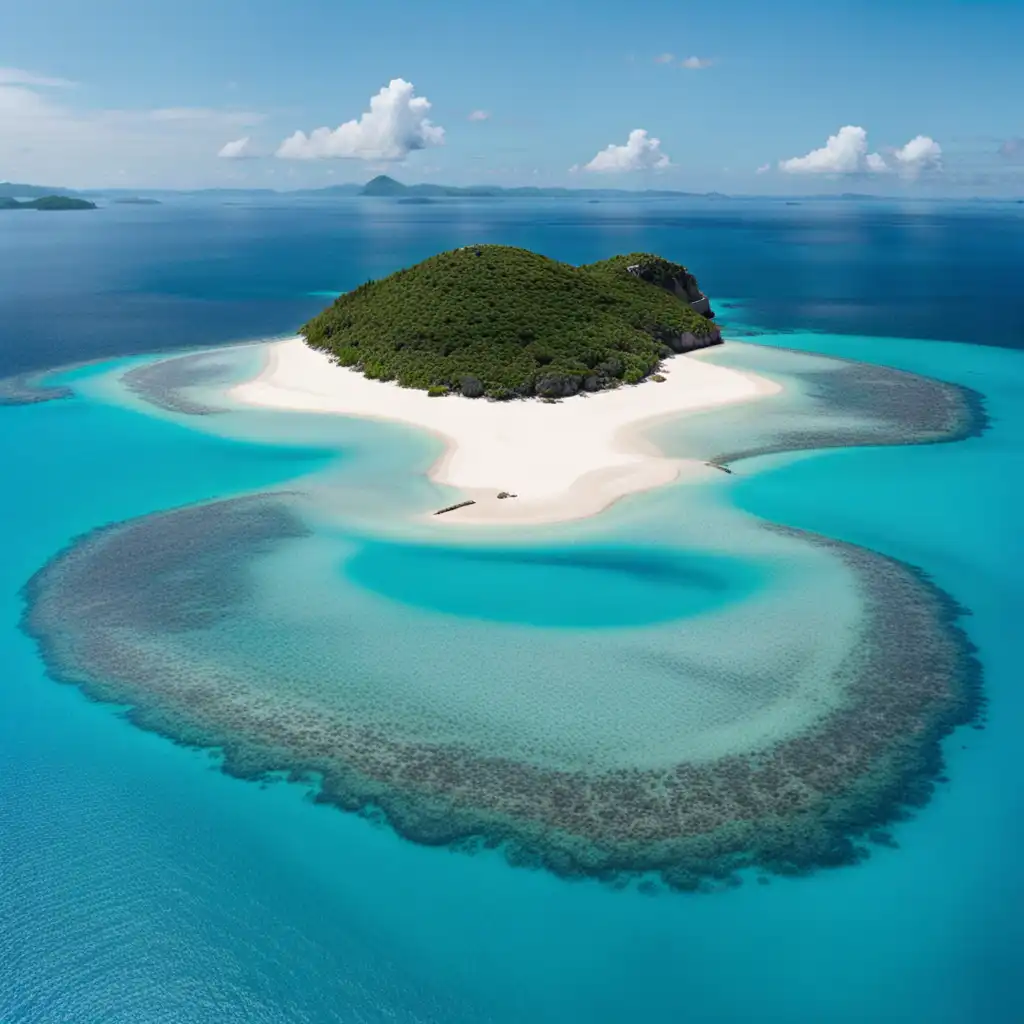
A body of water separated from the larger sea by a barrier of sand, rock, or coral.
The small island had a beautiful clear blue lagoon.
lagoon
ləˈɡuːn
Chargement…
ləˈɡuːn
A body of water separated from the larger sea by a barrier of sand, rock, or coral.
The small island had a beautiful clear blue lagoon.
ləˈɡuːn
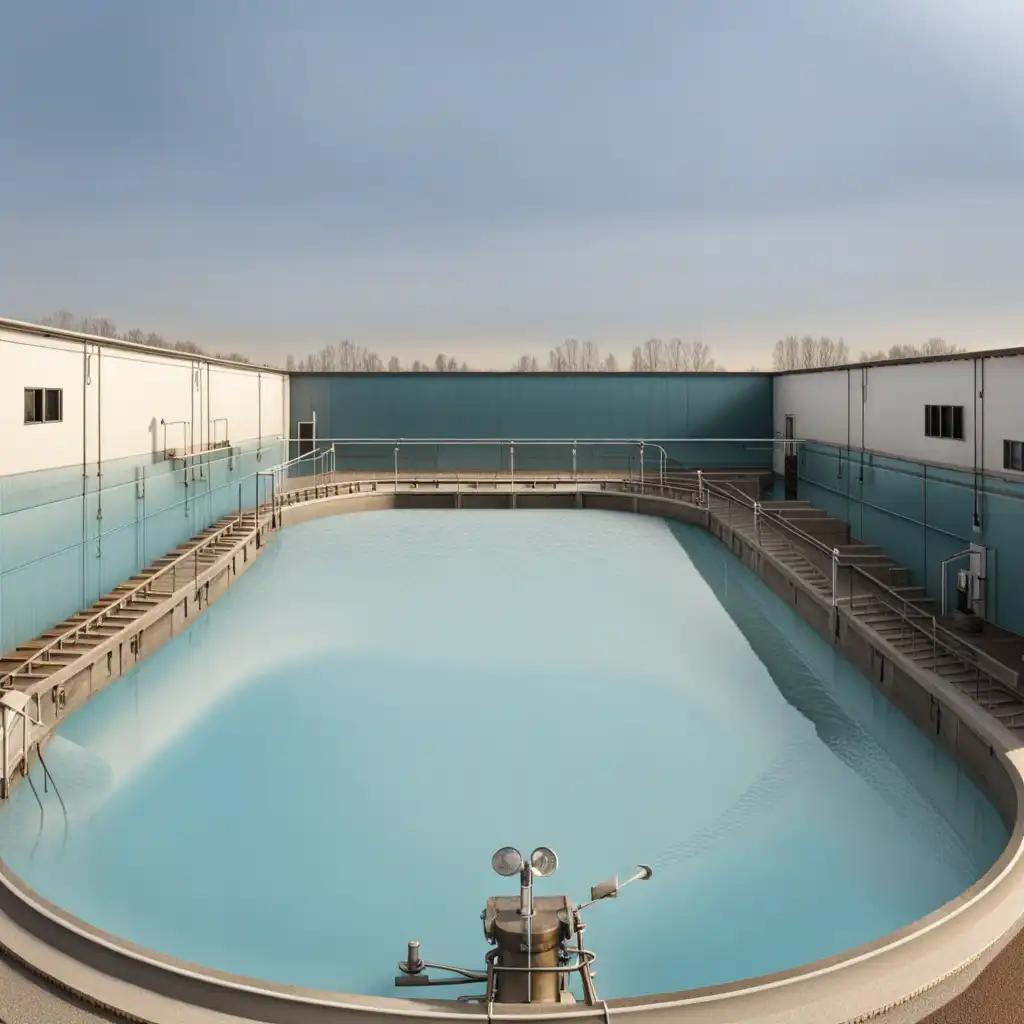
An artificial pool for the treatment of effluent or to accommodate an overspill of water.
The wastewater is treated in large lagoons before it is released.
Impossible de charger l’audio. Réessayez plus tard.
A lagoon is a type of body of water. It is usually a shallow pool of saltwater that is separated from the sea by a strip of land, such as a barrier reef. Lagoons can also be found along a river or in a coastal plain. They are often used for recreational activities such as swimming and boating. Some lagoons are also important habitats for wildlife. For example, in tropical areas, lagoons can have mangroves growing along the edges, which provide habitats for a variety of animals.
A bayou is a marshy body of water that is often found in the southern United States. It typically has slow-moving or stagnant water and is surrounded by dense vegetation.
A bayou is a swampy body of water in the southern United States, while a lagoon is a shallow body of water separated from the ocean by a narrow strip of land or a coral reef, found in tropical or subtropical areas.
Ouvrir le mot: Bayou →A cove is a small, sheltered bay with a narrow entrance that is often enclosed by cliffs or hills.
A cove is a small bay while a lagoon is a small body of water separated from the ocean by a barrier. Cove is typically on the coast, while lagoon can be found on the coast or inland.
Ouvrir le mot: Cove →An estuary is a partially enclosed body of water where freshwater meets saltwater. Estuaries are typically found where rivers meet the sea, and they are characterized by changing salinity levels due to the mixing of freshwater and saltwater.
Estuaries are home to a unique mix of plants and animals, including species that are adapted to survive in both freshwater and saltwater environments.
The key difference between an estuary and a lagoon is that an estuary is where freshwater meets saltwater, while a lagoon is a shallow body of water separated from the ocean by a barrier.
Ouvrir le mot: Estuary →A fjord is a long, narrow, deep inlet of the sea between tall cliffs or steep slopes, typically formed by a glacier. Fjords are usually found in cold, mountainous regions like Norway or Chile.
While fjords are characterized by steep cliffs or slopes, lagoons tend to have gently sloping shores or beaches.
Ouvrir le mot: Fjord →An inlet is a narrow body of water that leads into a larger body of water.
It is usually found along the shorelines of oceans or large lakes and is formed by the erosion of land by water. An inlet is often characterized by a strong current, and it is typically deeper than the surrounding water.
An inlet is a narrow body of water leading into a larger one and is deep with a strong current.
Ouvrir le mot: Inlet →A marsh is a wetland that's usually dominated by grasses and reeds. It's an area with low-lying, muddy soil and is commonly found near rivers or other bodies of water, but not directly connected to the sea.
Marshes serve as an important habitat for many species of plants and animals, such as birds and amphibians.
A lagoon is a shallow body of saltwater that's separated from the ocean by barrier islands or coral reefs, while a marsh is a wetland that's dominated by grasses and reeds and is located near rivers or bodies of water.
Ouvrir le mot: Marsh →Lagoon and sound are both bodies of water, but they have different characteristics and are found in different locations.
A sound is a broad inlet of seawater that is usually deeper than a lagoon. Sounds are connected to the ocean by a narrow channel and are often found along the coastlines of larger landmasses, such as continents or large islands.
A sound is a deep, wide inlet of seawater connected to the ocean, and it is found along the coastlines of larger landmasses.
Ouvrir le mot: Sound →Wetlands are areas of land that are wet with water for at least part of the year. They can be composed of marshes, swamps or bogs and are usually associated with freshwater.
Lagoons are bodies of water, while wetlands are land areas. Lagoons are found near the coast or on islands, while wetlands can be found in multiple locations like forests, prairies or riverbanks.
Lagoons are generally salty, while wetlands may be freshwater or brackish.
Ouvrir le mot: Wetland →but step back from the beach and there's another very different world a vast shallow lagoon dotted with mangrove trees
Voir sur YouTube ↗The creature from the black lagoon - I drew that creature almost every day, two, three times a day, for probably my first ten years of life, you know.
They followed them upriver deep into the jungle to a lagoon that thundered with the sound of flapping fish. The whole village set up camp by the lagoon, bringing barbasco a poison they would put in the water to stun the fish.
Voir sur YouTube ↗You invent this massive lagoon of information without any pressure to do anything apart from create this person, a person that might fit the bill that is the character that is emerging from the research.
Its reef forms a protective outer barrier and the inner lagoon is a nursery ground for Galapagos sharks. These sharks are anything but shy even during the day. I had a bit of a hunch that they'd be even bolder and more abundant at night.
Voir sur YouTube ↗I live in Florida, and I live on a small lagoon. I sit and look out at the water all day - that's what my desk is.
is an oasis in the middle of the Kalahari Desert a sanctuary for the incredible wildlife and biodiversity of this region a vast patchwork mosaic of channels floodplains lagoons and thousands upon thousands of islands here you can find the abundance of life all
Voir sur YouTube ↗The building I most admire is the Doges Palace in Venice, both by day and by night. Looking at it from the lagoon, it resembles a floating kilim carpet. I love all the bridges which connect houses, people, gardens and palaces. I also love moats to isolate yourself. A ha-ha for secrecy, as in every English country garden.
lagoon uh which is actually artificial but it it's designed in a way to to conceal its artifice
Voir sur YouTube ↗At Classic FM we're not an exposed shoreline where anything might come in on the tide. We're a lagoon; it's safe. You can tune in late at night and know it won't be contemporary.
pairs spend the summer here the salty lagoons provide everything they could wish for but life here isn't quite as peaceful as they'd hoped
Voir sur YouTube ↗Estuaries are coastal bays, harbors, sounds and lagoons, places where rivers meet the sea.
their subjects the team gets the close-ups here in the lagoon but what about the bigger picture how much mating occurs in the places they can observe in the vast area outside the study site well that's a job for critter cam this is an animal that lives in deeper water it's long lived we
Voir sur YouTube ↗Out in the lonely woods the jasmine burns Its fragrant lamps, and turns Into a royal court with green festoons The banks of dark lagoons.
reefs at their highest they are ten feet above sea level as the average temperature of the oceans climb estimates are that many of these living breathing still growing reefs and the lagoons they protect will very likely
Voir sur YouTube ↗I grew up down in Florida, and in the Keys, there's this place called Sea Camp which was not unlike Space Camp, except you explored the sea. And so that kind of whetted my appetite for that. But then I ended up swimming in a lagoon full of Cassiopeia jellyfish, and that quickly quashed that desire to be a marine biologist.
they eat and they keep the reef clean and allow the corals to replenish. Not only do these places -- these ancient pristine places -- have lots of fish, but they also have other important components of the ecosystem like the giant clams; pavements of giant clams in the lagoons,
Voir sur YouTube ↗been up close and very personal with their subjects the team gets the close-ups here in the lagoon but what about the bigger picture how much mating occurs in the places they can observe in the vast area
Voir sur YouTube ↗