Audio could not be loaded. Please try again later.
How to use
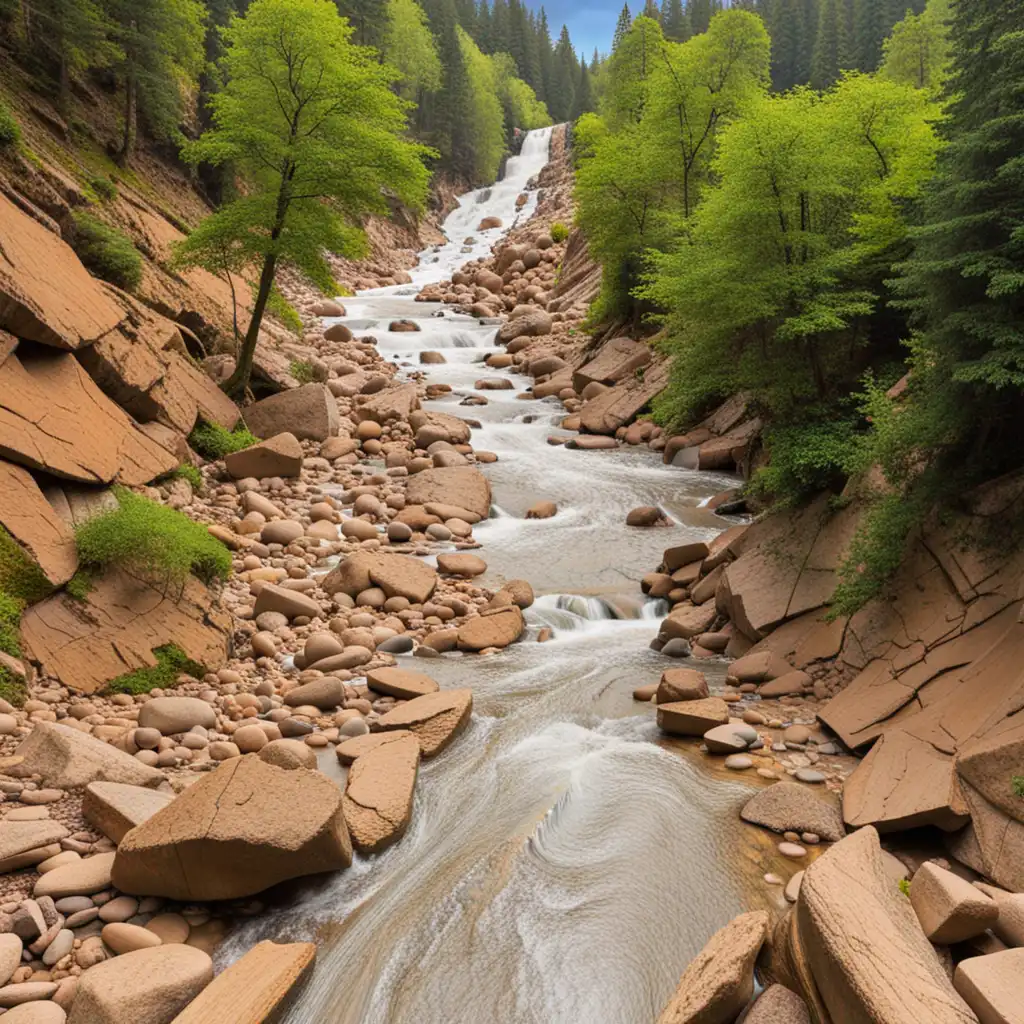
An arroyo is a Spanish word for a small, steep-sided stream or gully that is usually dry during most of the year, but fills with water during heavy rains or floods. Some people also call it a wash or a creek bed. Arroyos are commonly found in desert areas or dry regions where rainwater quickly runs off the land and into a channel carved by erosion. The word arroyo can also be used to describe a channel or ravine that has been widened by water erosion over time. For instance, a hiker might describe walking through an arroyo when exploring a dry, rocky canyon or a riverbed that only flows after a rainstorm. Overall, arroyo is a specific term used to describe a geological feature that is shaped by water and often plays a crucial role in the ecosystem of arid regions.
An arroyo is a type of channel, but it specifically refers to a narrow, steep-sided gully or ravine created by erosion from water flowing through it.
A channel is any type of pathway or conduit through which something flows or moves, including water, air, electricity, or even ideas.
Channels can be natural, such as rivers or canyons, or artificial, such as man-made canals or pipelines.
The main difference between arroyos and channels is their specific shape and formation. Arroyos are typically smaller and more rugged than other types of channels, and are formed by the erosion of soil and rock over time.
Channels can take many different forms depending on what is flowing through them and how they are created.
Arroyo and gully are both terms used to describe a channel or stream that has been carved into the ground by running water.
A gully is a smaller and more shallow channel, often found in areas with steeper slopes or hills. Gullies are usually created by runoff from heavy rain events and may dry up completely during drier seasons.
In summary, while both arroyos and gullies refer to channels carved by running water, an arroyo is typically larger and more significant, while a gully is smaller and more shallow.
A ravine is a steep-sided valley formed by the erosion of a river or stream over time.
Arroyos are generally smaller and drier than ravines, and they may not have water in them for most of the year. They are often found in arid regions and can be dangerous during flash floods.
A ravine is typically larger and may have water flowing through it year-round. They are formed over a long period of time by the movement of water and can be found in a wide range of landscapes.
In short, arroyos are generally dry and only fill with water during heavy rains, while ravines are formed by water erosion and may have water flowing through them regularly.
Both arroyo and wash refer to a natural channel in the ground where water flows after a rainstorm.
Wash refers to this channel in areas where there is more consistent rainfall throughout the year.
The main difference between the two words is their regional applicability, with arroyo being used more in arid desert areas and wash used in areas with more consistent rainfall.