crust
noun crust
krʌst
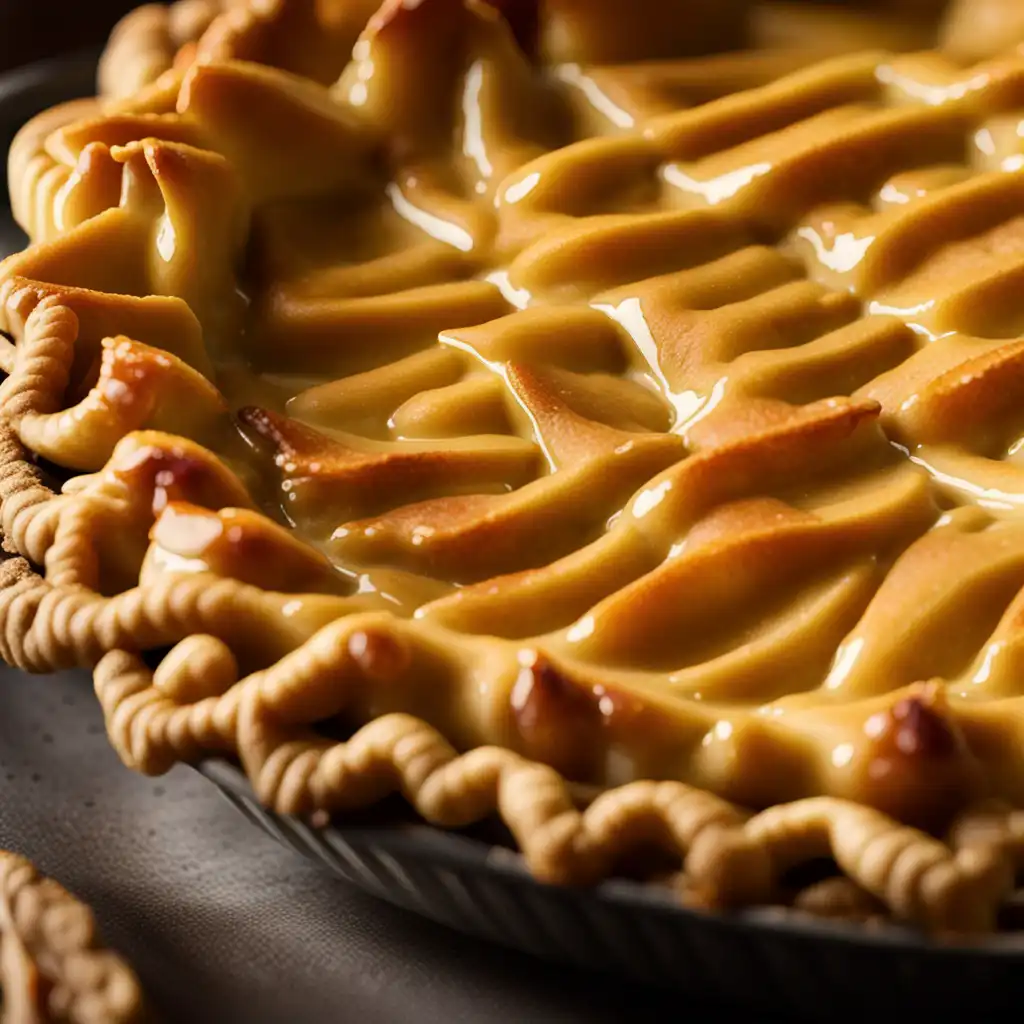
The hard outer layer of something, especially bread, pastry, or pies.
She loves to eat pie crust.
crust
krʌst
Chargement…
krʌst
The hard outer layer of something, especially bread, pastry, or pies.
She loves to eat pie crust.
krʌst
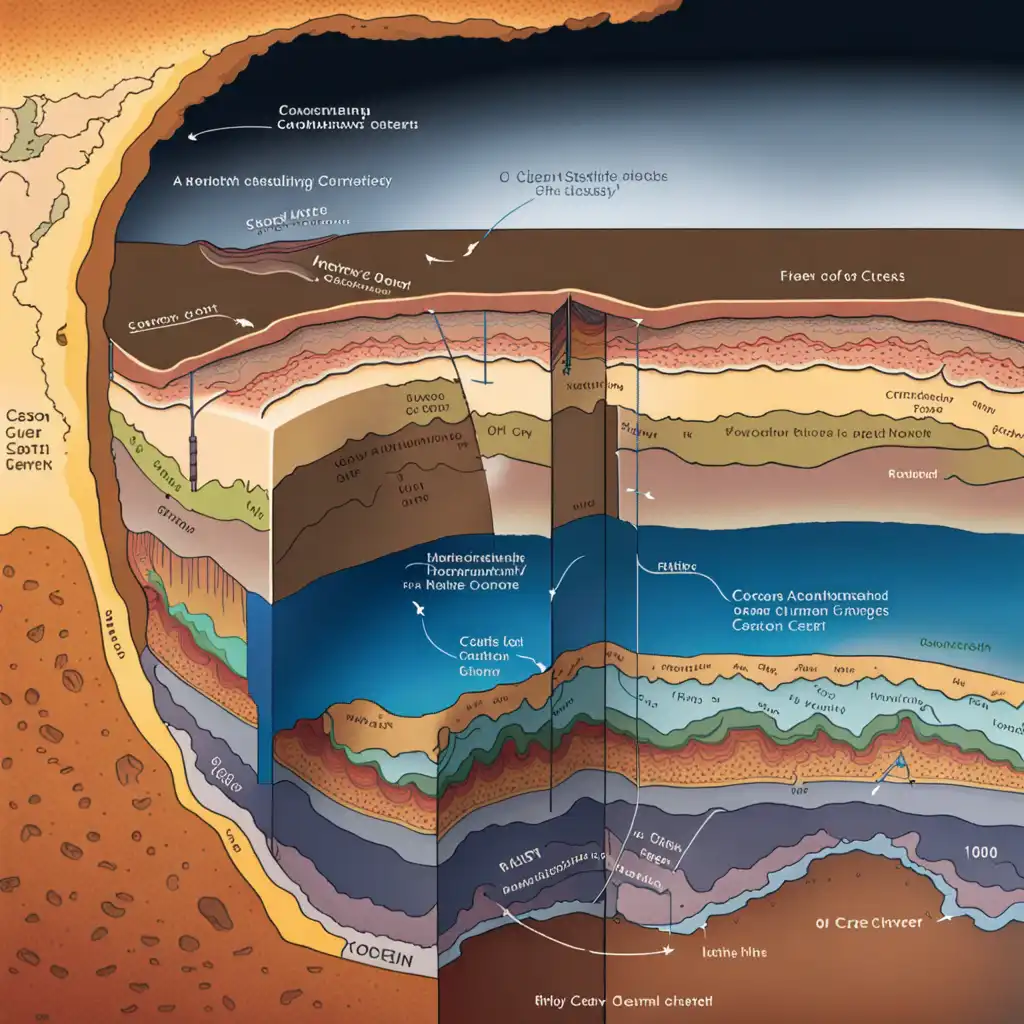
The outermost layer of the Earth, consisting of various types of rocks.
The Earth's crust is thinner under the oceans, and much thicker under the continents.
krʌst
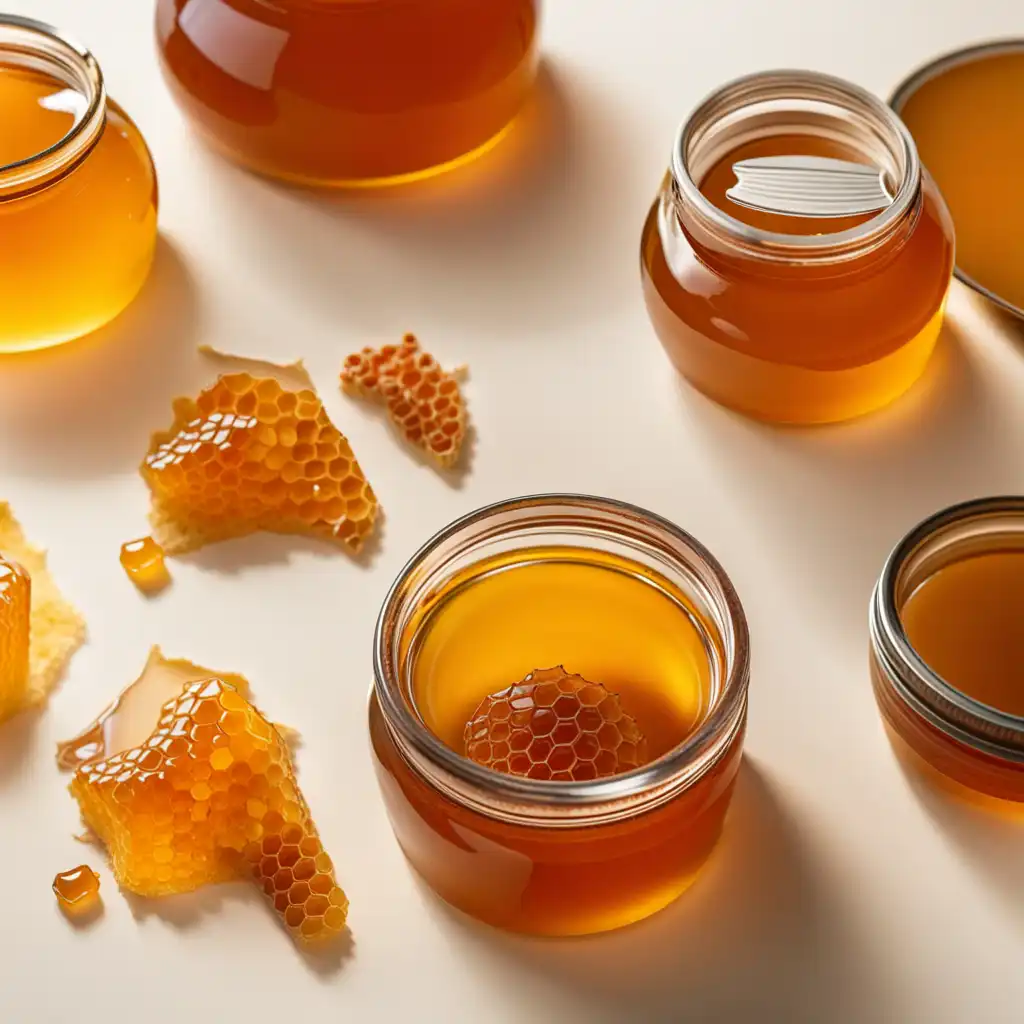
A hard outer covering or layer of dried matter.
The honey had formed a crust on the jar lid.
krʌst
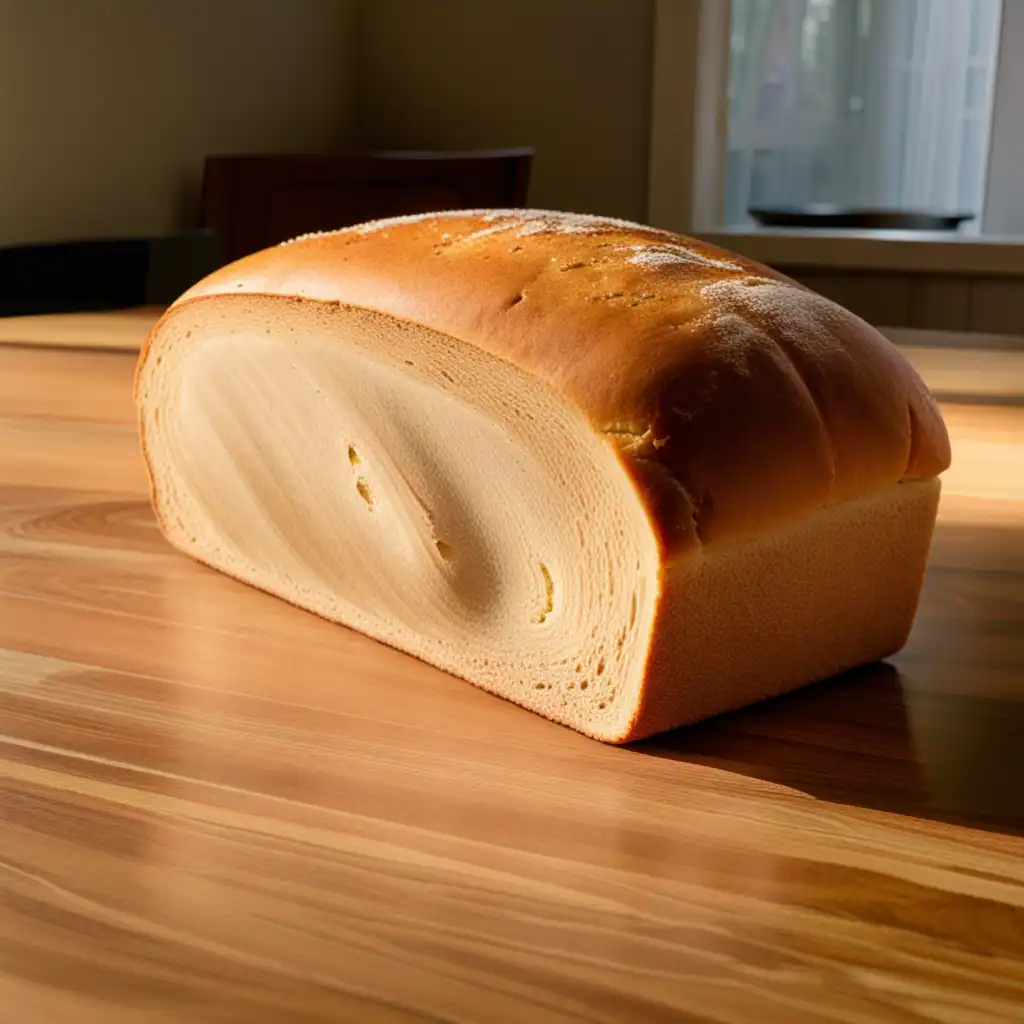
To form a hard outer covering.
The bread crusts over when it is left out overnight.
Impossible de charger l’audio. Réessayez plus tard.
The word "crust" is used to refer to the outer layer or surface of something. For example, when you bake a loaf of bread, the top layer that gets crispy and brown is called the crust. The term can also be used to describe the outer layer of the earth, which is called the earth's crust. In general, "crust" is used to describe the top layer of something that is hard or solid.
Coat refers to a layer of material that is put on top of something for protection or decoration. For example, a coat can be a thick layer of paint applied to a wall for protection or a layer of frosting on a cake for decoration.
Coat is for protection or decoration, while crust is a hard layer that forms on food after baking or cooking.
Ouvrir le mot: Coat →Cover refers to something that hides or protects something else. For example, you can cover a cake with icing to make it look pretty and protect it from getting dry.
You can also cover your head with a hat to protect it from the sun or the rain.
Cover means to hide or protect something, while crust refers to a hard outer layer that forms on the surface of something.
Ouvrir le mot: Cover →Crust refers to a harder, outer surface of something. It is most commonly used to describe the outer layer of a loaf of bread or a pie.
It can also refer to the Earth's outermost layer, which is made up of rocks and minerals.
A layer refers to a level or coating of something that covers a surface.
It can describe thin sheets or coats of material that are stacked on top of each other. For example, the layers of a cake or a lasagna.
The word crust describes a hard outer surface while the word layer describes a level or coating of something covering a surface.
Ouvrir le mot: Layer →Crust refers to the outer layer of bread or pastry that is formed when it is baked. Rind refers to the tough outer layer of certain fruits, such as oranges or watermelons, or the skin of certain cheeses.
Crust is applicable to baked goods, while rind is applicable to fruits and cheeses.
Ouvrir le mot: Rind →Both crust and scab refer to a hard layer that forms on wounds or sores.
However, crust is typically used to describe a yellow or brownish layer that forms on the surface of a wound or a food item (like bread), while scab is used more specifically to describe the dried blood that forms a hard layer over a wound.
If you scrape your knee and a yellowish layer forms over the top, that would be a crust. But if you accidentally scratch off that layer and you see dried blood underneath that has hardened, that would be a scab.
Ouvrir le mot: Scab →'Bread crust' is the hard outer layer of bread, while 'eggshell' is the thin, hard outer layer of an egg. Crust is typically used to describe the hard outer layer of baked foods, while shell describes the hard outer layer of natural objects such as eggs or nuts.
Generally, crust is applicable to baked goods, while shell is applicable to the outer layer of natural objects.
Ouvrir le mot: Shell →Skim refers to removing a thin layer from the surface of a liquid, usually to remove any impurities or fat. This is commonly done with milk, where the cream is skimmed off the top to create skim milk.
Skimming can also refer to quickly glancing over a text or document to get the main points, without reading it in detail.
Crust is a solid outer layer, while skim refers to removing a thin layer from the surface of a liquid or quickly glancing over something.
Ouvrir le mot: Skim →The term crust typically refers to the outermost layer of something, such as the crust on a pizza or a loaf of bread. In terms of geology, the crust is the outermost layer of the Earth, composed mainly of rock and extending from the surface to a depth of about 40 kilometers.
Surface generally refers to the uppermost layer of any object or substance, such as the surface of a table, a lake, or the skin of an apple.
In terms of planets, the surface refers to the visible layer that one would see from space or when standing on the planet's crust.
For example, the surface of the Earth is made up of various landscapes, such as mountains, valleys, and bodies of water.
In summary, while both crust and surface refer to the outermost layer of something, crust typically applies to a specifically defined layer, such as the Earth's crust, while surface refers to the visible uppermost layer of any object or substance.
Ouvrir le mot: Surface →Deep underground lies stores of once inaccessible natural gas. This gas was likely formed over millions of years as layers of decaying organisms were exposed to intense heat and pressure under the Earth's crust. There's a technology called hydraulic fracturing, or fracking,
Voir sur YouTube ↗Whether rich or poor, a home is not a home unless the roots of love are ever striking deeper through the crust of the earthly and the conventional, into the very realities of being, not consciously always; seldom, perhaps; the simplicity of loving grows by living simply near nature and God.
the mothers pee on the top to help this hardening to sort of crust and the baby tortoises have to dig and dig and dig and it can take up to a month
Voir sur YouTube ↗I'm a thin-crust pizza guy. I respect people who like thick crust, but in my view it's mostly bread.
may contain oceans of liquid water underneath their crusts. Jupiter's large collection of moons is only made possible by the planet's massive size and gravitational pull, the strongest of all the planets in the solar system. This incredible gravity also influence the sizes
Voir sur YouTube ↗Was I always going to be here? No I was not. I was going to be homeless at one time, a taxi driver, truck driver, or any kind of job that would get me a crust of bread. You never know what's going to happen.
It was just the right distance from its star to contain huge oceans of liquid water. And deep beneath those oceans, at cracks in the Earth's crust, you've got heat seeping up from inside the Earth, and you've got a great diversity of elements.
Voir sur YouTube ↗We belabour, I think, under a very heavy crust of consumerism really.
live in hot springs on the seafloor on these mid-ocean ridges mid-ocean ridges are places where the earth is or ocean crust is spreading apart and they are volcanic systems pretty much anytime any day there's a volcanic eruption going on somewhere in the ocean in the deep water
Voir sur YouTube ↗I don't show just anyone how to crust a sea bass. That's sacred information.
To understand how this towering formation was born, we have to peer deep into our planet's crust, where continental plates collide. The Earth's surface is like an armadillo's armor. Pieces of crust constantly move over, under, and around each other.
Voir sur YouTube ↗Cities are 2% of the earth's crust, but they are 50% of the world's population.
in the darkness of the deep water gushes through cracks in the earth's crust known as deep sea vents
Voir sur YouTube ↗When you share your last crust of bread with a beggar, you mustn't behave as if you were throwing a bone to a dog. You must give humbly, and thank him for allowing you to have a part in his hunger.
sulphur which may have created a protective magnetic field during Mars's earlier years enveloping the core is a rocky mantle made of silicate minerals and a crust rich in iron these iron minerals react with the trace amounts of
Voir sur YouTube ↗All civilization has from time to time become a thin crust over a volcano of revolution.
They're usually characterized as large depressions in the ground called calderas, located above multiple openings in the Earth's crust. In terms of eruptions, supervolcanoes explode at a magnitude of eight,
Voir sur YouTube ↗A deep ocean under the icy crust of Ganymede opens up further exciting possibilities for life beyond Earth.
powerful that it breaks the Earth's crust this fracturing emits shockwaves through the ground and causes intense vibrations or quakes in fact the world's most earthquake-prone regions are where the most geologically active plates meet
Voir sur YouTube ↗In a shooting day in the U.K., every few hours, everyone takes a bit of a tea break - not coffee, but a tea break. They bring out these little finger sandwiches with the crust cut off. Everyone sits around for a few minutes, with their pinkies in the air, drinking. It's so cultured.