epidermis
noun epidermis
ˌepɪˈdɜːrmɪs
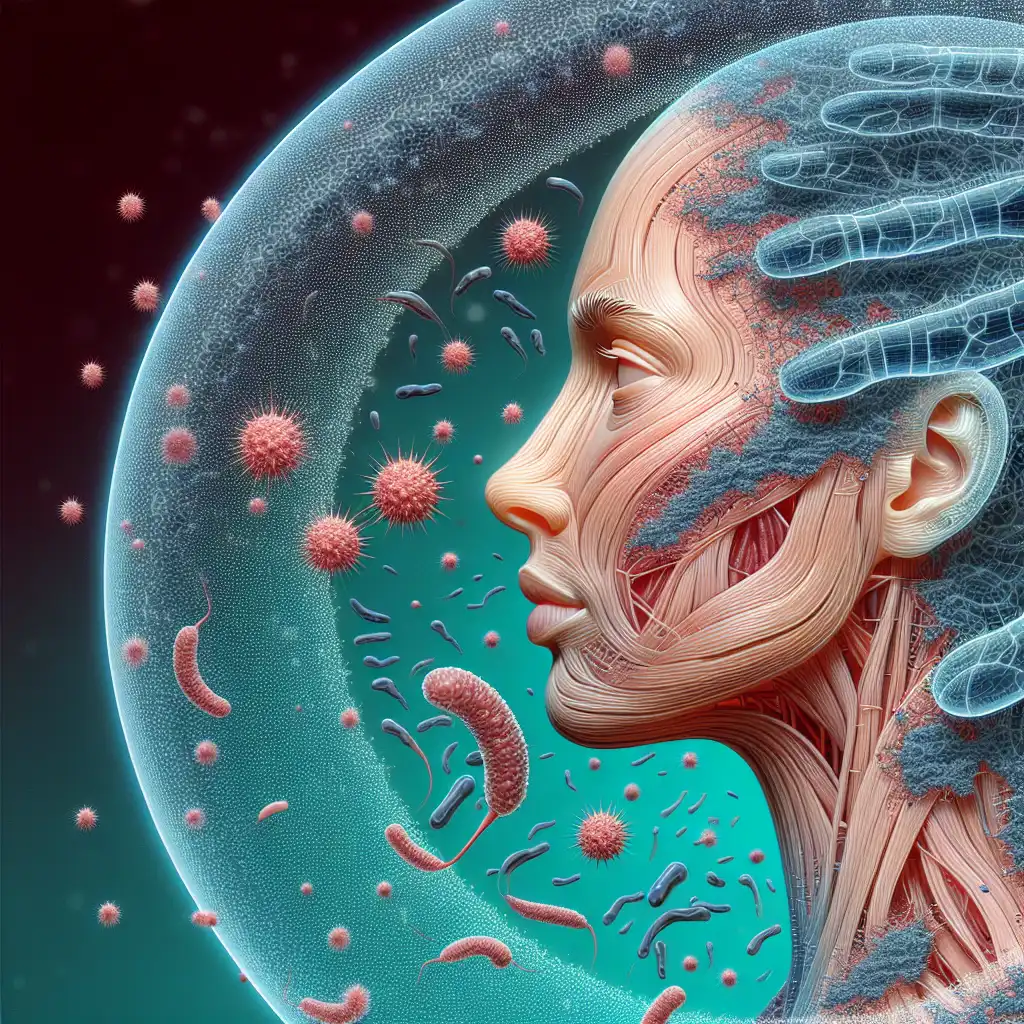
The thin, outer layer of your skin
The epidermis protects us from harmful bacteria.
epidermis
ˌepɪˈdɜːrmɪs
Chargement…
ˌepɪˈdɜːrmɪs
The thin, outer layer of your skin
The epidermis protects us from harmful bacteria.
ˌepɪˈdɜːrmɪs
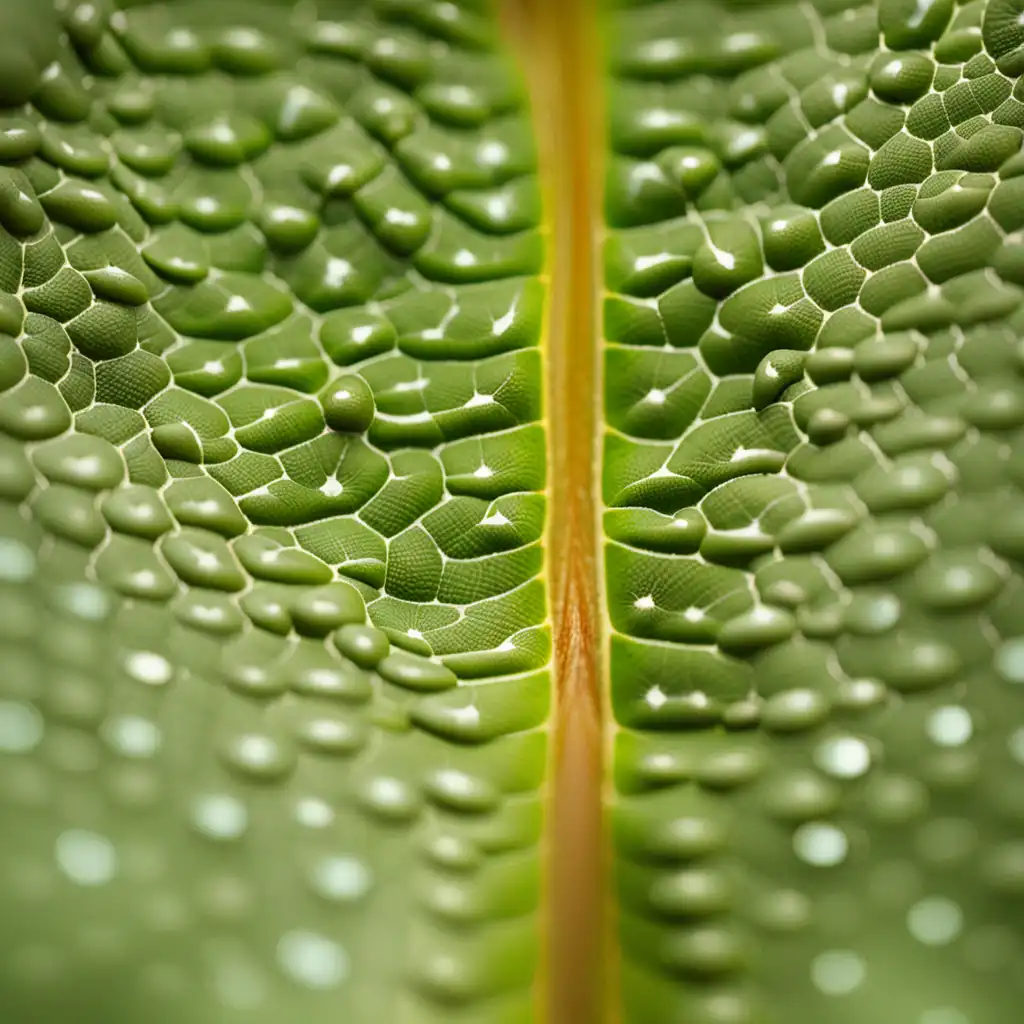
The outer layer of a plant's surface
The epidermis of the leaf is coated in a waxy cuticle.
Impossible de charger l’audio. Réessayez plus tard.
The epidermis is the outer layer of your skin that acts as a protective barrier from the environment. It's the layer closest to the air, and it doesn't have any blood vessels going through it. For example, when you get a sunburn, it's the epidermis that gets damaged. You can use the word 'epidermis' when talking about the different layers of the skin or when discussing skin care products that target the outer layer.
The cuticle is the outermost layer of a plant's stem or leaf, consisting of a waxy coating that helps prevent water loss.
The epidermis is the outermost layer of skin and it protects the body and regulates temperature. The cuticle is applicable to plants, while the epidermis is applicable to animals, including humans.
Ouvrir le mot: Cuticle →Dermis and epidermis are both layers of the skin, but they have different functions and locations. Epidermis is the outermost layer of the skin, and it is responsible for protecting the body from environmental damage, such as UV radiation and harmful chemicals.
The epidermis is also responsible for regulating body temperature and producing new skin cells.
Dermis is the layer of skin located beneath the epidermis. It contains many important structures, such as hair follicles, sweat glands, and nerve endings.
The dermis provides support and nourishment to the epidermis and is responsible for helping the body maintain its shape and structure.
The epidermis is the outermost protective layer of the skin, while the dermis is the layer beneath it that contains important structures and provides support.
Ouvrir le mot: Dermis →The skin is the outer covering of the body, including both the epidermis and dermis layers, while the epidermis is the topmost layer of the skin.
In simpler terms, skin is the entire outer covering of the body that includes layers of cells, hair, nails, and glands, while the epidermis is just the top layer of skin that is responsible for protecting the body from the environment and regulating body temperature.
To put it simply, think of the skin as a blanket covering the entire body, while the epidermis is the top layer of that blanket that is in direct contact with the outside world.
Typically, the word skin is used in everyday conversation, while epidermis is more often used in scientific or medical contexts when referring specifically to the topmost layer of the skin.
Ouvrir le mot: Skin →How a wound heals itself...
Voir sur YouTube ↗If you could drive straight down, into a tunnel bored through the crust of the planet, you'd hit this molten mess in about an hour. It's called the asthenosphere - a sluggish sea, several hundred miles thick, on which floats the Earth's cool epidermis - the so-called tectonic plates.
5 skin health myths to...
Voir sur YouTube ↗The arteries are found in nearly every part of the animal body, with the exception of the hairs, nails, and epidermis; and the larger trunks usually occupy the most protected situations, running, in the limbs, along the flexor side, where they are less exposed to injury.
The 5 Musketeers Eat...
Voir sur YouTube ↗The appendages of the skin are the nails, the hairs, the sudoriferous and sebaceous glands, and their ducts. The nails and hairs are peculiar modifications of the epidermis, consisting essentially of the same cellular structure as that membrane.
Shifting the visual...
Voir sur YouTube ↗Humpback Whales Return...
Voir sur YouTube ↗Jellyfish predate...
Voir sur YouTube ↗What makes tattoos...
Voir sur YouTube ↗What causes dandruff,...
Voir sur YouTube ↗The science of skin -...
Voir sur YouTube ↗Humble plants that hide...
Voir sur YouTube ↗