facile
adjective facile
ˈfæsl
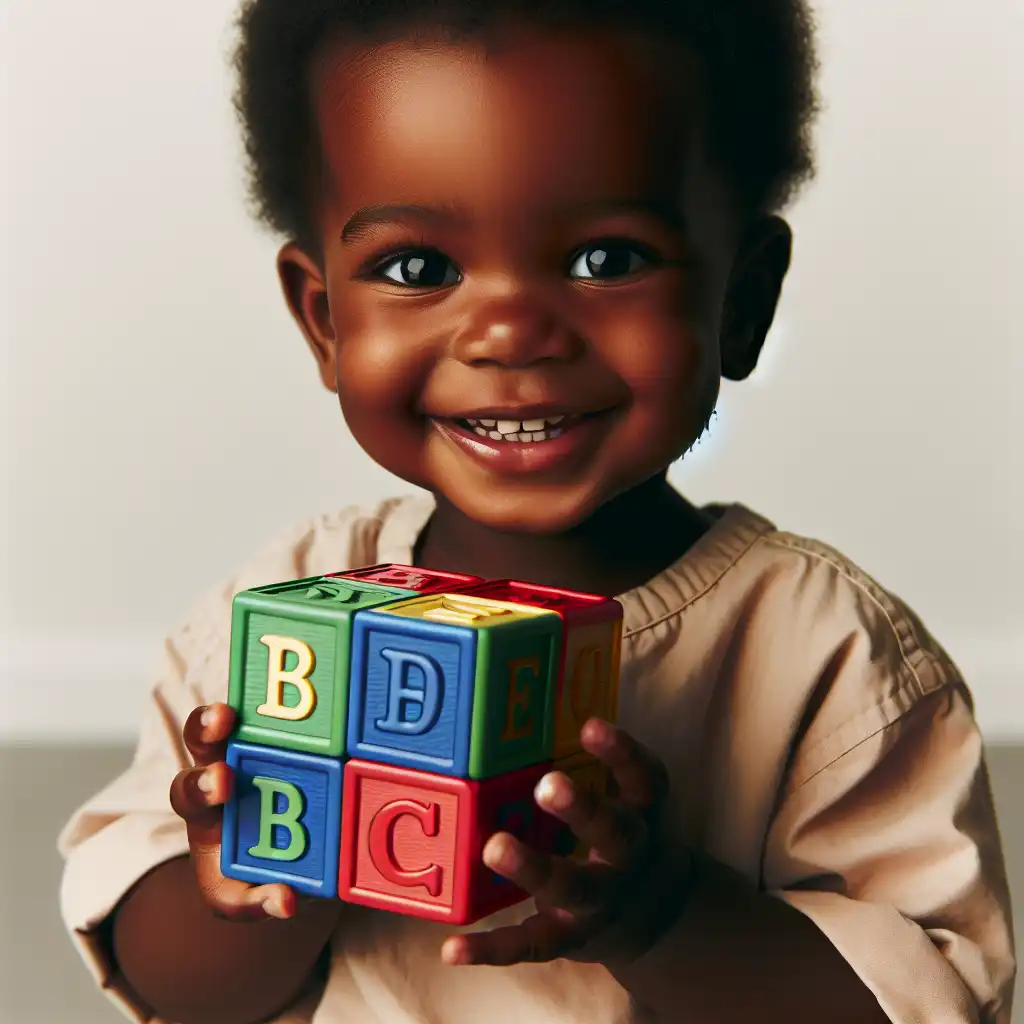
Easy to do or understand, not complicated.
Learning the alphabet is a facile task for most children.
facile
ˈfæsl
लोड हो रहा है…
ˈfæsl
Easy to do or understand, not complicated.
Learning the alphabet is a facile task for most children.
ˈfæsl
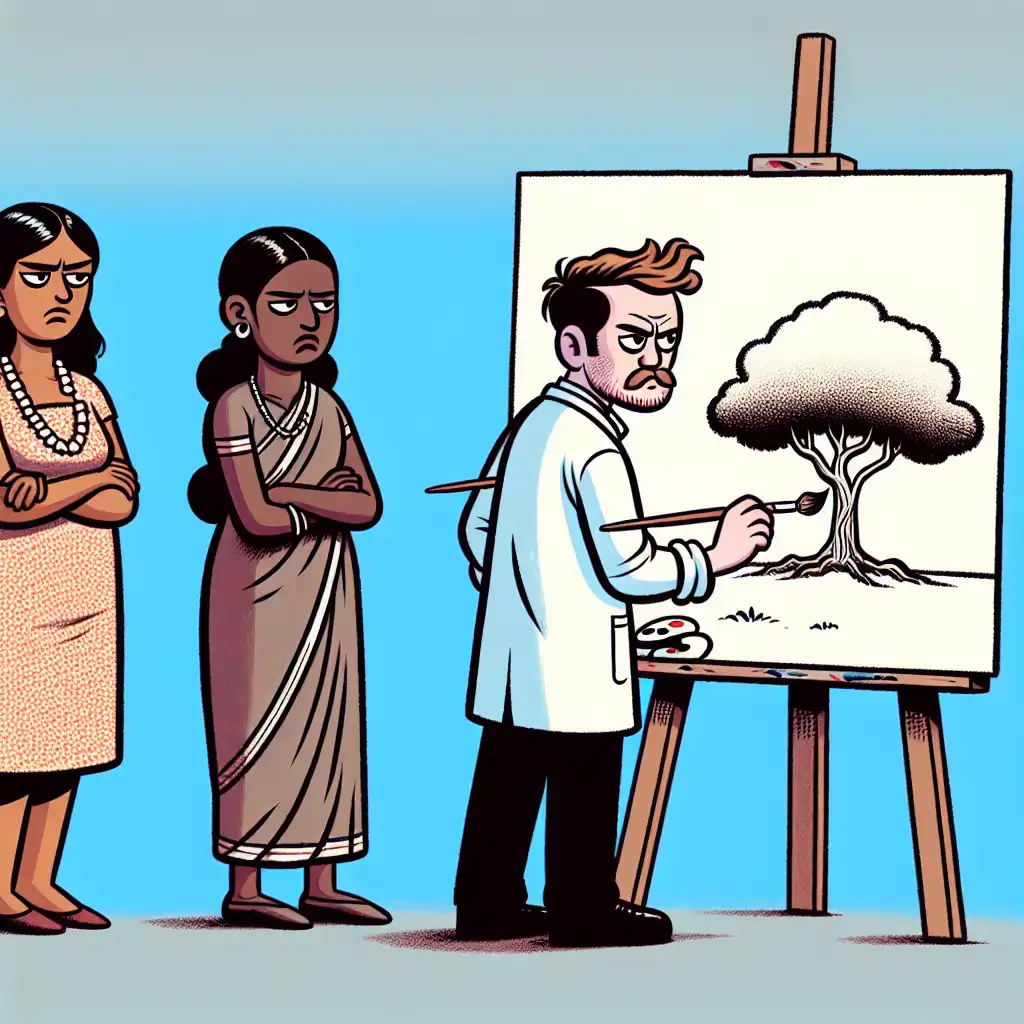
Seems simple, but lacks depth or careful thought.
Critics dismissed his work as facile and trivial.
ऑडियो लोड नहीं हो सका। कृपया बाद में फिर कोशिश करें।
The word 'facile' means something that is easy to do or understand. It is often used to describe tasks, ideas or solutions that are achieved with little effort or complexity. For instance, if someone solves a math problem effortlessly, you can say that it was a 'facile' task for them. It can also have negative connotations if it is used to describe something that is too easy or done without much thought or consideration. As an English learner, it is important to understand the different contexts in which the word 'facile' is used, so that you can use it appropriately in your communication.
Comfortable means feeling at ease, relaxed, or physically content. It is commonly used to describe a state of calmness or happiness, such as when you are comfortable in your bed or in a comfortable situation.
Comfortable describes a feeling of ease or well-being, while facile describes something that is easy to do or understand.
शब्द खोलें: Comfortable →Complicate means to make something more difficult, complex or intricate. It makes things harder to understand or do. It is applicable when something needs to be more detailed or when a task requires a higher level of complexity or difficulty.
शब्द खोलें: Complicate →The words easy and facile are similar in meaning but there is a slight difference. Easy refers to things that are not difficult to do, understand or achieve.
For example, solving a simple math problem can be easy. Facile also means easy, but it specifically refers to something that is achieved with superficial or shallow knowledge or understanding.
Easy simply means not difficult while facile implies that something may be too simplistic or lacking in depth.
शब्द खोलें: Easy →Effortless means something that requires no effort or is done without difficulty. It is applicable in situations when a task is completed quickly and easily without any struggle or strain.
Facile also means easy or effortless.
Effortless suggests ease and efficiency in completing a task, while facile can imply that something is done too easily and may lack depth or substance.
शब्द खोलें: Effortless →Simple means easy to understand or do, while the word facile means too easy, often in a way that is seen as insincere or lacking depth.
For example, a simple math problem might be adding two numbers together, while a facile explanation of a complicated issue might oversimplify or ignore important details.
Simple is usually a positive descriptor, while facile can be negative, implying a lack of effort or thoughtfulness.
शब्द खोलें: Simple →Smooth means without any roughness or irregularities, but it often refers to something that has been accomplished without obstacles or problems.
If someone completed a difficult project without any problems, you could say it was a smooth process.
शब्द खोलें: Smooth →Facile and straightforward are both adjectives that describe something that is easy to do or understand.
However, facile often carries a connotation of being too easy, superficial or lacking depth or complexity. Straightforward simply means easy to understand or follow without complications.
For example, a math problem that can be solved with a simple formula might be described as facile, whereas a complex scientific concept that can be explained in a clear and simple manner might be described as straightforward.
Straightforward is a more positive and neutral term, often used to describe things that are easy to grasp or accomplish, while facile can sometimes carry a negative connotation of being too simplistic or superficial.
शब्द खोलें: Straightforward →Facile and undemanding both mean easy, but there is a slight difference. Facile implies something that is easily done or achieved without much effort or thought, while undemanding implies something that does not require a lot of effort, but is not necessarily effortless.
For example, a puzzle might be described as facile if it can be solved quickly and without much thought. A task might be described as undemanding if it is not very challenging or difficult, but still requires some effort to complete.
Facile is more appropriate when talking about something that can be done with ease and without much thinking, while undemanding is better suited for something that requires some effort, however minimal, but is not very challenging.
शब्द खोलें: Undemanding →Bruce Schneier: The...
YouTube पर देखें ↗The hunger for facile wisdom is the root of all false philosophy.
Telling History: Behind...
YouTube पर देखें ↗Death comes at you no matter what you do in this life, and to equate drugs with death is a facile comparison.
The glib, facile, simplistic, and prefabricated language by which we as consumers are constantly surrounded is a language that flatters us, that urges us to indulge ourselves, to get away from it all, to be unique by opting in, talking back, liking us on Facebook, leaving a review, sharing, retweeting, etc.
Sometimes there is a greater lack of communication in facile talking than in silence.
It's just as well that I write in the same facile way wherever I am - no blocks or anguish, no contemplation, no elaborate revision, no need for love-tokens or nice views.
It is this obsession with GDP and FDI growth and a facile belief that this growth in the GDP would trickle down to the poor as well, that has led to the neglect of the genuine concerns of the poor in the country.
I'm not so facile that I can accomplish or find out what I want to know or explore enough of the possibilities and a way of making a painting, say, in just one painting or two paintings.
If one wants to measure oneself by the facile accruement of awards, then I've done very well.
All the religious wars that have caused blood to be shed for centuries arise from passionate feelings and facile counter-positions, such as Us and Them, good and bad, white and black.
As a species, we're addicted to the facile discrimination involved in saying that something or phenomenon is either 'this' or 'that' - how much more uncomfortable that it may well be 'the other'.