receptor
noun receptor
rɪˈseptər
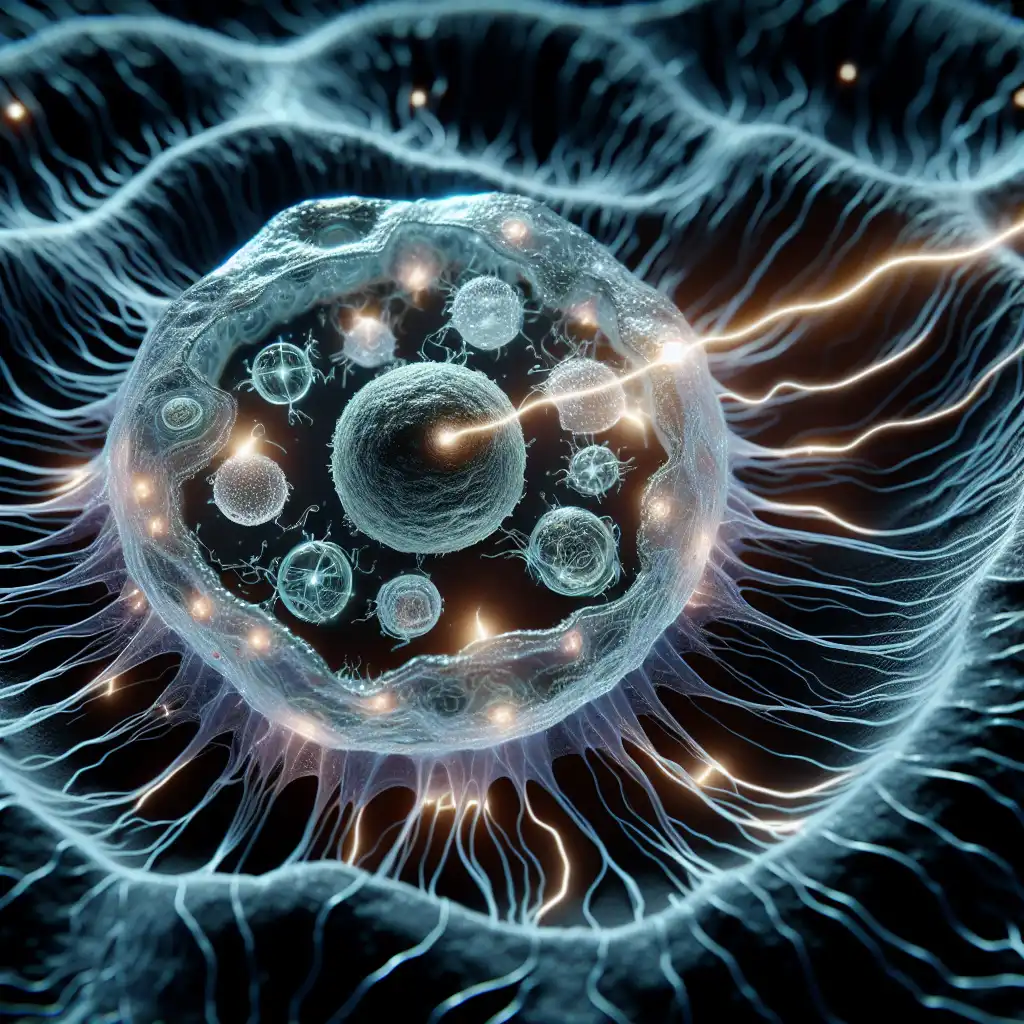
A structure in a cell that receives and responds to stimuli or messages.
The cells have receptors that respond to light and produce an electrical signal.
receptor
rɪˈseptər
लोड हो रहा है…
rɪˈseptər
A structure in a cell that receives and responds to stimuli or messages.
The cells have receptors that respond to light and produce an electrical signal.

rɪˈseptər
A device designed to respond to a physical stimulus, like heat or light.
The remote control works by sending a signal to the receptor in the television.
rɪˈseptər
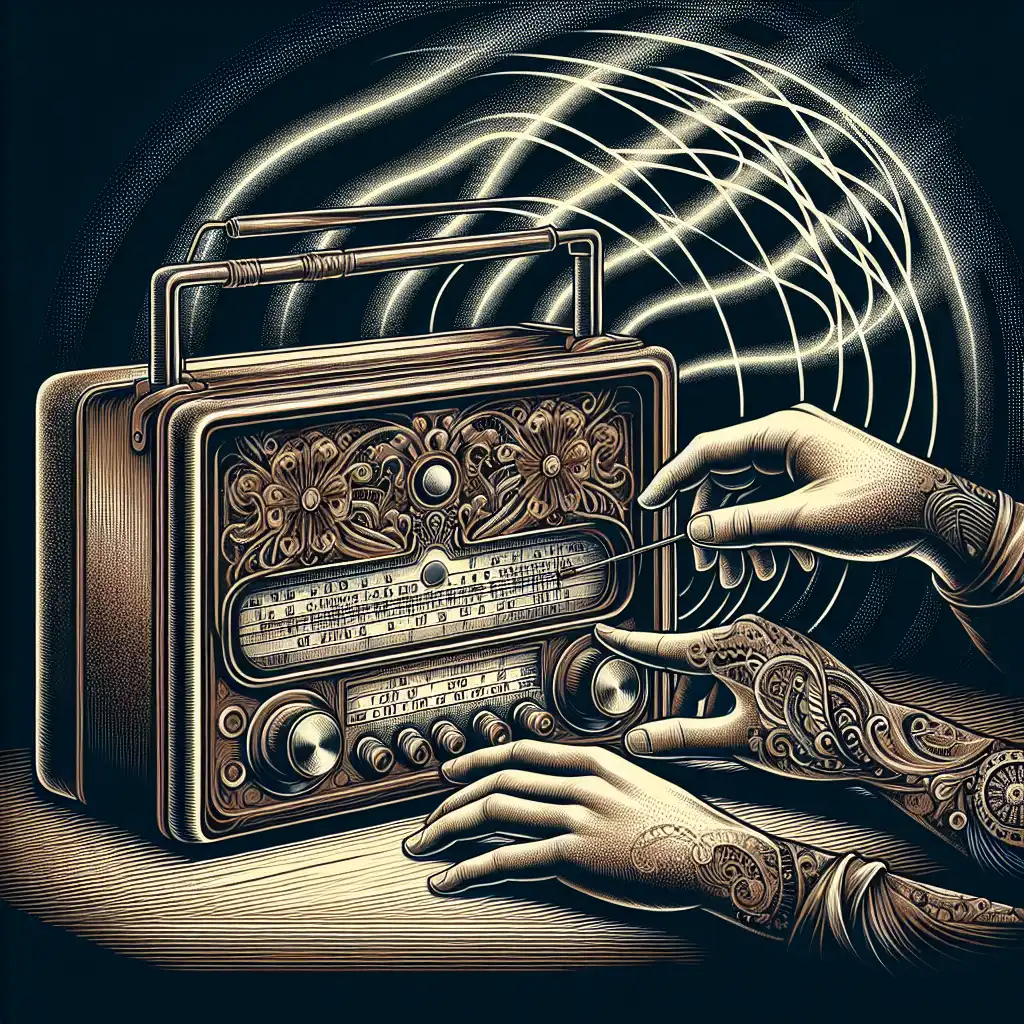
A device in a radio or television that receives a signal or frequency.
Their radios were set up with high frequency receptors to maintain constant communication.
ऑडियो लोड नहीं हो सका। कृपया बाद में फिर कोशिश करें।
A receptor is a part of your body or cells that receives information like signals or messages. For example, your eyes have receptors that detect light and send signals to your brain so you can see. Similarly, cells in your body have receptors that receive chemical signals and help regulate functions like blood sugar or hormone levels. In medicine, doctors may use medications that target specific receptors to treat certain conditions or symptoms.
An antenna is a structure that detects electromagnetic waves, like radio waves or light.
An antenna detects electromagnetic waves while a receptor detects signals in the body. Antennas are used for things like radios and televisions, while receptors are found all throughout the body and play a critical role in biological processes.
शब्द खोलें: Antenna →A converter takes something and changes it into a different form or format. For example, if you wanted to convert a video file from MP4 to AVI, you would use a video converter.
A converter changes something, while a receptor receives something and processes it. The applicability of each depends on the context and what needs to be done.
शब्द खोलें: Converter →A detector is a device or instrument that detects or senses something present in the environment like a metal detector, smoke detector, or radiation detector.
So, while a detector is something that detects an external stimulus, a receptor is something that responds to an internal stimulus.
Detectors are applicable in industries, security, research and investigation. Receptors are important in biological and physiological processes, such as sensing pain, hunger, or signal transduction within cells.
शब्द खोलें: Detector →A monitor is a device that keeps a steady watch on something. For example, a computer monitor lets you see what's happening on your computer screen.
A monitor can also refer to a person who is keeping an eye on a situation, such as a security guard monitoring a building.
A monitor keeps watch while a receptor receives and responds to signals. Monitors are applicable in situations where constant observation is needed, like security or quality control.
शब्द खोलें: Monitor →Pickup typically refers to a device that collects or detects something. For example, a guitar pickup collects sound vibrations and converts them into electrical signals that can be amplified.
A pickup truck is designed to collect and transport heavy objects.
Pickup refers to a device that collects or detects something, while receptor refers to a specialized molecule that recognizes and responds to a specific signal or substance in the body.
Pickup is commonly used in technology and transport, while receptor is used in biology and medicine.
शब्द खोलें: Pickup →A probe is a tool or device used to explore or investigate something, while a receptor is a part of the body or a molecule that receives signals or stimuli.
Probes are typically used in scientific research or in medical procedures to gather information or data about a specific object or substance.
For example, scientists may use a probe to study the surface of a planet, while doctors may use a probe to examine internal organs during a medical procedure.
In summary, probes are devices used to investigate something, while receptors are parts of living organisms that receive signals or stimuli.
शब्द खोलें: Probe →Receiver is used to refer to a person, device or system that receives something, such as a message, radio waves or signals.
Receiver is more commonly used when referring to devices or systems that receive signals, while receptor is applicable in a biological context to refer to protein molecules that bind to specific substances.
शब्द खोलें: Receiver →A sensor is a device that detects or measures a physical property or environmental factor and responds by producing an output signal.
A sensor converts the detected parameter (such as temperature, pressure, light, etc.) into a measurable signal that can be processed and analyzed.
For instance, a thermometer is a temperature sensor that detects and measures the temperature of an object or environment.
The main difference between a receptor and a sensor is that a receptor is a biological molecule that specifically recognizes and binds to particular molecules to trigger cellular response, whereas a sensor is a device that detects physical parameters and environmental factors and transforms them into a measurable signal.
शब्द खोलें: Sensor →How does caffeine keep...
YouTube पर देखें ↗Receptor chemistry, the chemistry of artificial receptor molecules, may be considered a generalized coordination chemistry, not limited to transition metal ions but extending to all types of substrates: cationic, anionic or neutral species of organic, inorganic or biological nature.
This Platypus Can Glow...
YouTube पर देखें ↗You work at a job, and you reach a certain level, and you're a little satisfied, and you keep going at it a little more, and you finally finish it. You go, 'Ah,' all your dopamine receptor sites are full. You're satiated.
David Anderson: Your...
YouTube पर देखें ↗It seems odd to think of tasting without any perceptive experience, but you are doing it right now. Humans have taste receptor cells in the gut, the voice box, the upper esophagus. But only the tongue's receptors report to the brain.
Lifesaving Medicines...
YouTube पर देखें ↗We have found that fusions of GFP with the RING finger domains of certain E3 ubiquitin ligases creates an unstable GFP. We have used unstable GFP to learn how disruption of microtubules in the touch receptor neurons causes a generalized reduction in protein levels in the cells.
How much of what you see...
YouTube पर देखें ↗Chiral receptor sites in the human body interact only with drug molecules having the proper absolute configuration, resulting in marked differences in the pharmacological activities of enantiomers.
The quest for the...
YouTube पर देखें ↗I can't get any satiation. My brain is wired in such a way that I - in my research, I probably have a lack of D1 and D2 receptor sites. These are dopamine receptor sites, and satiation is a process that involves a cascade.
You smell with your...
YouTube पर देखें ↗How fungi recognize (and...
YouTube पर देखें ↗Cynthia Kenyon:...
YouTube पर देखें ↗Barry Schuler: An...
YouTube पर देखें ↗