
thou
pronoun thou
ðaʊ
Old way to say 'you' in very formal or religious contexts
Thou shalt not steal.
thou
ðaʊ
Chargement…
ðaʊ
Old way to say 'you' in very formal or religious contexts
Thou shalt not steal.
ðaʊ
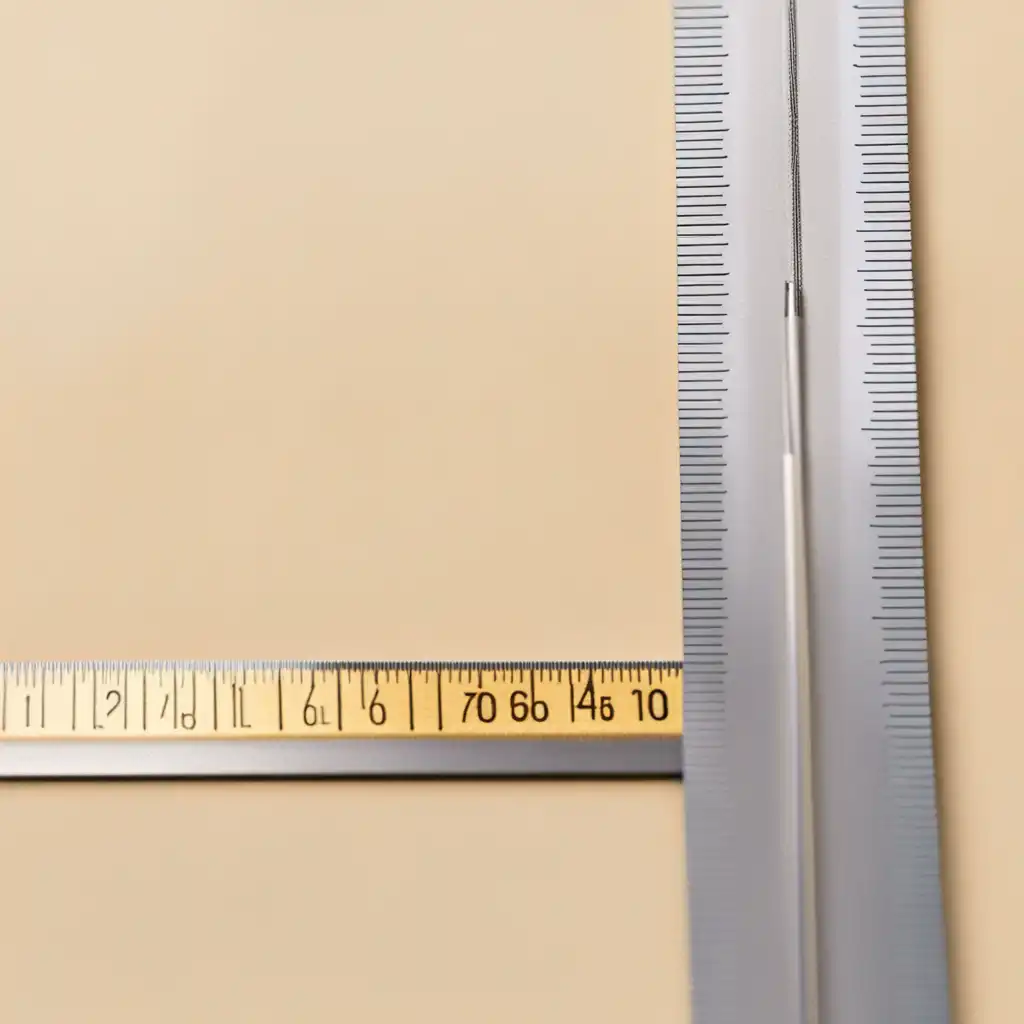
In old measures, a unit equal to one-thousandth of an inch
The thickness of the wire is two thou.
Impossible de charger l’audio. Réessayez plus tard.
The word 'thou' is an old-fashioned way of saying 'you'. It was commonly used in the past but now it is very rarely used. You might find it in older books, poetry or in religious texts. If you use the word 'thou' in everyday language, people might find it strange or old-fashioned.
Thee and thou are both old English pronouns that are not commonly used in modern English. Thee is the object form of you and is used when referring to the person being spoken to or about.
Today, we use "you" for both singular and plural forms. The use of thee and thou depended on the relationship between the speaker and the listener.
Thou was used for informal relationships like family members or close friends, while thee was used for all other relationships.
In modern language, thee and thou are not used frequently, so there are not many situations where they would be applicable.
Ouvrir le mot: Thee →Both thine and thou are old-fashioned English words that are no longer commonly used today.
Thine is a possessive pronoun, which means that it is used in place of 'yours'.
- Thine eyes are beautiful. (Your eyes are beautiful)
Ouvrir le mot: Thine →Thou and thy are both old-fashioned words that were commonly used in the English language a long time ago. Thou is a subject pronoun, and thy is a possessive pronoun.
Thy is used to show possession, like saying "Take thy book" instead of "Take your book".
Today, thou and thy are considered archaic and are not commonly used in modern English.
Ouvrir le mot: Thy →In modern English, you is used to address someone respectfully or formally, while thou is used informally or in a familiar way.
However, thou is archaic and not commonly used in modern English. In the past, thou used to be the singular form of you and you the plural form, but as the language evolved, you became the universal form for both singular and plural.
Ouvrir le mot: You →My year of living...
Voir sur YouTube ↗Doubt thou the stars are fire, Doubt that the sun doth move. Doubt truth to be a liar, But never doubt I love.
Adam Nicolson: The King...
Voir sur YouTube ↗Be slow to fall into friendship; but when thou art in, continue firm and constant.
Make robots smarter -...
Voir sur YouTube ↗If thou art a man, admire those who attempt great things, even though they fail.
Stephen Burt: Why people...
Voir sur YouTube ↗Thou art not for the earth, nor for the Heaven the world is for thee, thou art not for the world.
A Family Tradition %\PIPE%...
Voir sur YouTube ↗The hours I spend with you I look upon as sort of a perfumed garden, a dim twilight, and a fountain singing to it. You and you alone make me feel that I am alive. Other men it is said have seen angels, but I have seen thee and thou art enough.
Amish Tourism %\PIPE% Amish:...
Voir sur YouTube ↗But since the world, which thou art to strive against, is not without thee, but within thee, it follows, that it is also to be conquered not without, but within thee.
Interview: Mark Moffett...
Voir sur YouTube ↗America, thou half-brother of the world; with something good and bad of every land.
One of the most...
Voir sur YouTube ↗O human beauty, what a dream art thou, that we should cast our life and hopes away on thee!
Three anti-social skills...
Voir sur YouTube ↗Still seems it strange, that thou shouldst live forever? Is it less strange, that thou shouldst live at all? This is a miracle; and that no more.
Insults by Shakespeare
Voir sur YouTube ↗It behoves thee to love God wisely; and that may thou not do but if thou be wise.