veining
noun veining
ˈveɪnɪŋ
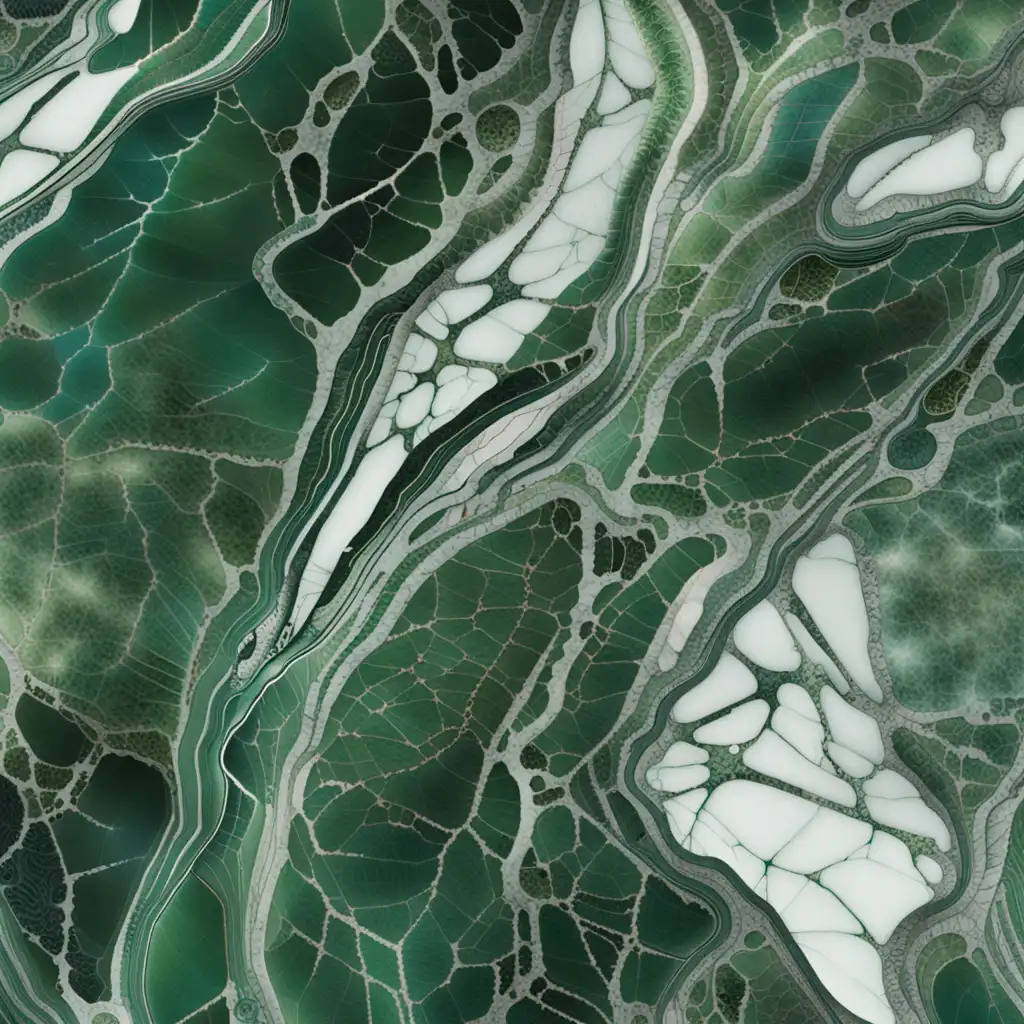
The presence and pattern of veins, especially in a leaf, stone or in the body.
The green veining on the marble gives it a beautiful and unique appearance.
veining
ˈveɪnɪŋ
불러오는 중…
ˈveɪnɪŋ
The presence and pattern of veins, especially in a leaf, stone or in the body.
The green veining on the marble gives it a beautiful and unique appearance.
ˈveɪnɪŋ
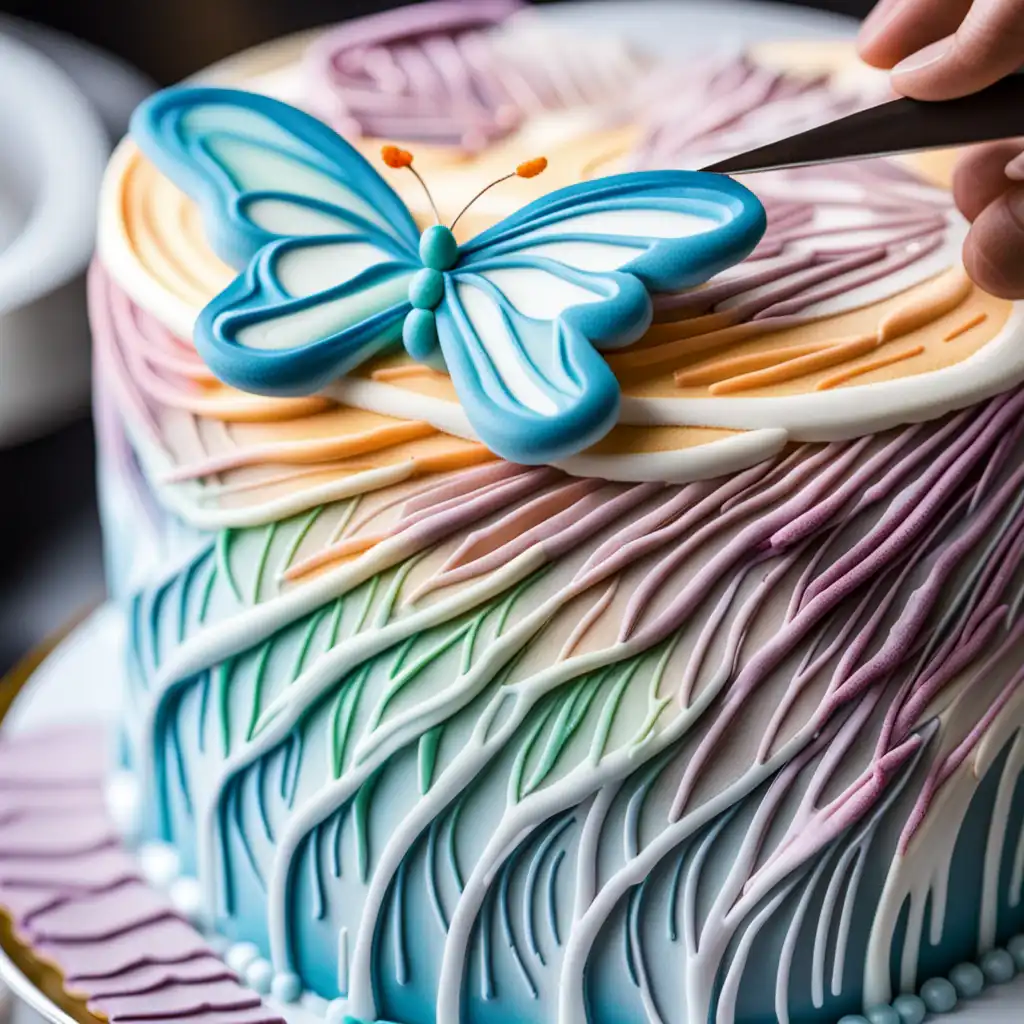
The process of adding a vein-like pattern to an object or material for decoration.
The baker used different colored icings for veining the butterfly wings on the cake.
오디오를 불러오지 못했어요. 잠시 후 다시 시도해 주세요.
The word 'veining' refers to the lines or patterns of veins that are present in something, such as in leaves or rocks. For instance, the veining in a leaf refers to the lines that run through the surface of the leaf, while the veining in a rock refers to the lines of different colors and textures present in the rock. Therefore, 'veining' is a term used to describe the visible lines or patterns that are present in something.
Grain refers to the natural pattern in wood or other materials that comes from the way the material grew or formed.
Both grain and veining are applicable when discussing the appearance and characteristics of materials like wood or stone.
However, grain is a more general term that can describe a variety of patterns and textures, while veining specifically refers to the thin, winding lines found in some materials.
단어 열기: Grain →Line generally refers to a straight or curved mark that is visible or drawn on a surface.
Veining refers to the pattern of lines, often thin and branching, that appear in certain natural materials such as marble or wood.
Line refers to a mark on a surface, while veining specifically refers to the pattern of lines found in certain natural materials.
단어 열기: Line →Marbling usually refers to the technique of creating a pattern on a surface, such as meat or paper, where veins of different colors or textures are added to create a swirling effect.
Marbling is applicable in cooking, arts and crafts, and interior design.
단어 열기: Marbling →A pattern is a repeated design or motif that is used to decorate a surface.
Patterns can be found on a wide range of objects, including clothing, wallpaper, and flooring.
A pattern is a designed repetition of shapes and colors that can be applied to any surface, while veining is a natural marking found in certain materials.
단어 열기: Pattern →Rib and veining are two different words used to describe different things.
Rib refers to a long, narrow piece of bone or cartilage that provides support to the body, often found in the chest area. For example, the ribs protect the lungs and heart.
It can also refer to a raised line or ridge on a surface, like the ribs on a celery stalk.
Rib refers to a structural support or ridge, while veining refers to a pattern of thin lines in a material.
단어 열기: Rib →Striation refers to a series of parallel lines or grooves on a surface, usually seen on rocks, muscles or other natural materials.
Striation refers to parallel lines while veining refers to natural lines that flow through a material. Striations are typically found on surfaces like rocks while veining is seen in materials like wood, marble or skin.
단어 열기: Striation →Texture refers to the physical feel or appearance of a material, such as the roughness or smoothness of a surface.
Texture describes the feeling or look of a surface, while veining specifically refers to the pattern of lines on the surface.
단어 열기: Texture →A vein is a blood vessel that carries blood towards the heart. Veining is a pattern or design that looks like the lines found on the surface of a leaf or rock.
Vein is used in the context of biology, anatomy, and medicine to refer to the blood vessels that transport blood in our bodies.
Veining is a term used in the context of art, design, and manufacturing to describe a design pattern that resembles the lines found on a leaf or rock.
For example, a marble slab may have veining that gives it a unique look. In contrast, a doctor may use a needle to draw blood from a vein in your arm.
단어 열기: Vein →