enfranchise
verb enfranchise
ɪnˈfræntʃaɪz
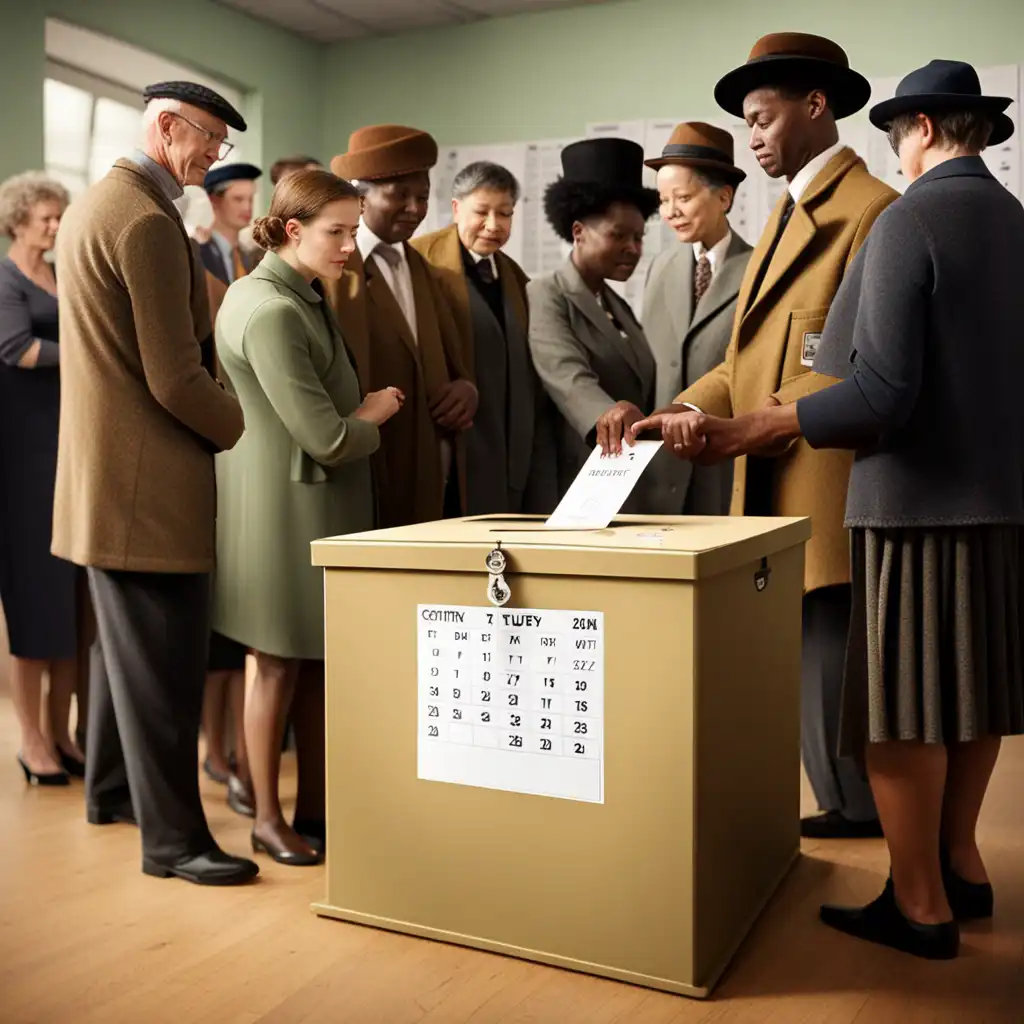
To give someone the right to vote in elections
In many countries, the poor and the women were enfranchised in the 20th century.
enfranchise
ɪnˈfræntʃaɪz
불러오는 중…
ɪnˈfræntʃaɪz
To give someone the right to vote in elections
In many countries, the poor and the women were enfranchised in the 20th century.
ɪnˈfræntʃaɪz
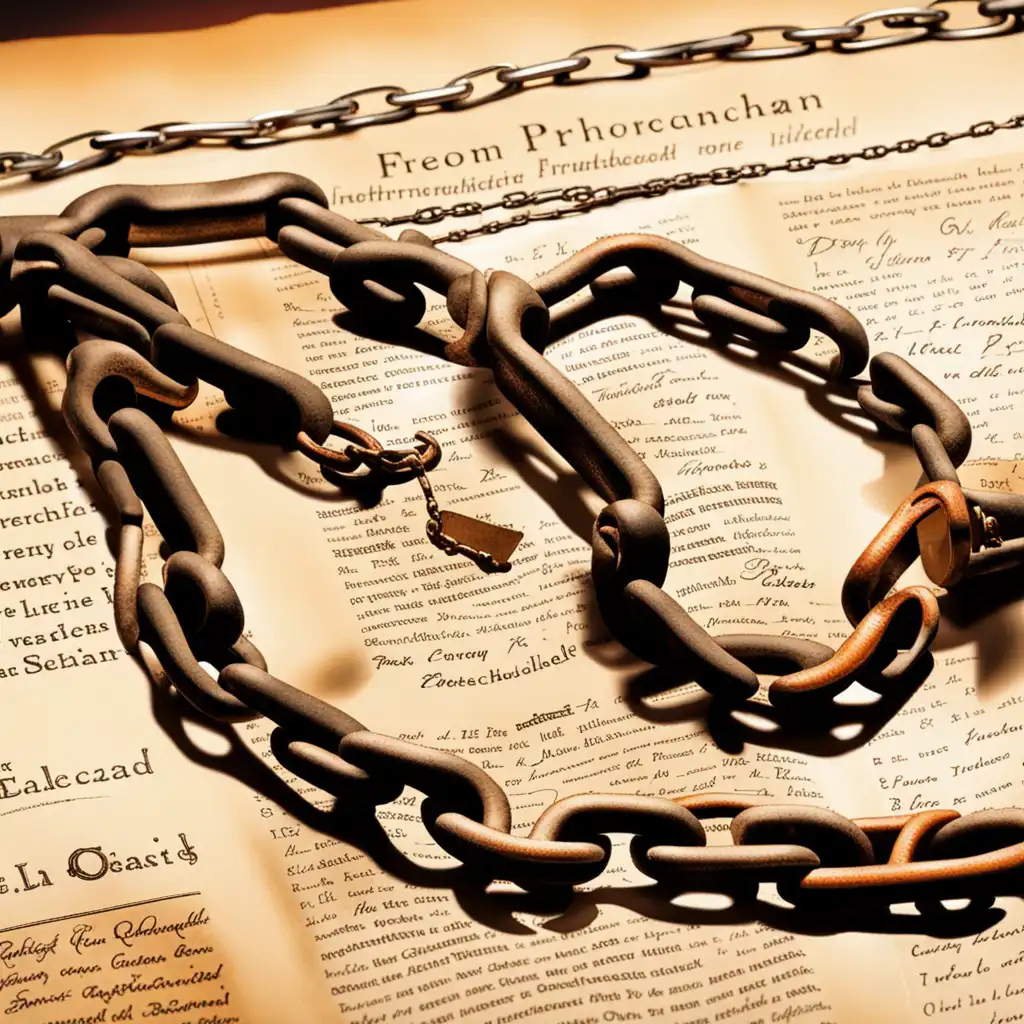
To free a person from slavery or servitude
The Emancipation Proclamation was a historic document that enfranchised millions of slaves.

ɪnˈfræntʃaɪz
To grant a company or organization the legal right to operate, especially as a franchise
The company was enfranchised to operate within the city.
오디오를 불러오지 못했어요. 잠시 후 다시 시도해 주세요.
The word 'enfranchise' means to give someone the right to vote or to grant them a privilege or right that was previously denied to them. For example, if a country decides to enfranchise women, it means that women are finally allowed to vote in elections. Another example is if a company decides to enfranchise its employees by giving them ownership shares, it means they have the right to be a part-owner of the company. Therefore, 'enfranchise' is used in the context of giving someone a new right or privilege that they didn't have before.
Discharge means to release or let go of someone or something, often referring to a duty or responsibility. For example, a soldier being discharged from the army means they are no longer required to serve.
Discharge is used when someone is released or no longer has a responsibility, while enfranchise is used when someone is granted or given a right, usually a political or legal right.
단어 열기: Discharge →Emancipate refers to the act of freeing someone from slavery or oppression.
Emancipate means to free from bondage or slavery, while enfranchise means to give the right to vote.
단어 열기: Emancipate →Empower and enfranchise both refer to giving people a sense of power, but they're used in different contexts.
Empower typically refers to giving someone the tools or resources needed to take control of their own lives. For example, a mentor might empower a young person by teaching them skills they need to succeed, or a charity might empower vulnerable people by providing them with the means to support themselves.
So in short, empower tends to be used in contexts where someone is given more control over their own lives, while enfranchise tends to be used in contexts where someone is given more control over political processes.
단어 열기: Empower →Liberate means to set someone or something free from oppression, captivity, or control. This term is often used in the context of human rights and social justice.
Enfranchise is about giving someone a specific right, while liberate is about freeing them from a broader situation of injustice or oppression.
단어 열기: Liberate →Ashraf Ghani: How to fix...
YouTube에서 보기 ↗A gentleman opposed to their enfranchisement once said to me, women have never produced anything of any value to the world. I told him the chief product of the women had been the men, and left it to him to decide whether the product was of any value.
The historic women’s...
YouTube에서 보기 ↗British women's history was never confined to the British mainland; and contesting the narrative around enfranchisement shows us that rights were not bestowed by the state, but extracted from it by force.
Black Women and the...
YouTube에서 보기 ↗Technology makes way for...
YouTube에서 보기 ↗