
wrath
noun wrath
ræθ
Intense or fierce anger
His team's failure to meet the deadline provoked his wrath.
wrath
ræθ
Loading…
ræθ
Intense or fierce anger
His team's failure to meet the deadline provoked his wrath.
ræθ
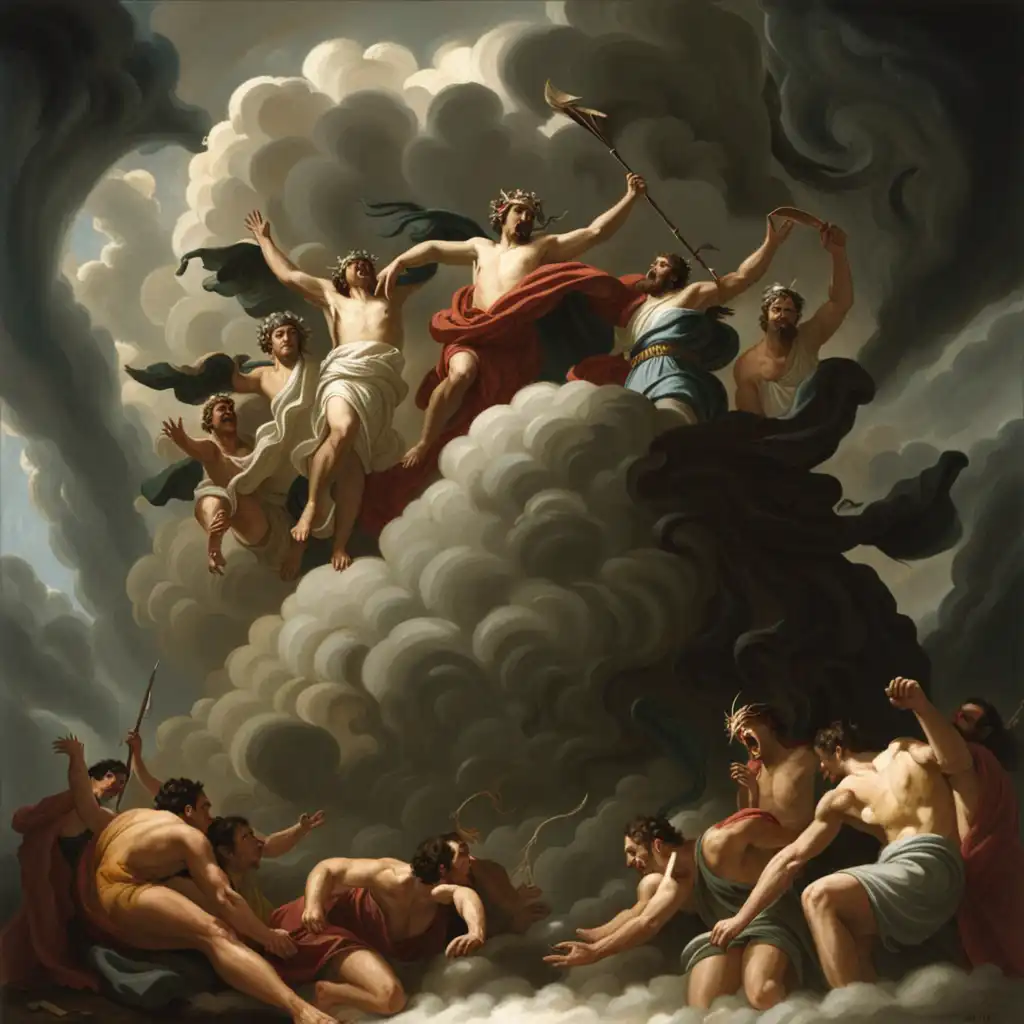
Punishment or vengeance as a manifestation of anger
People feared the wrath of the gods.
ræθ
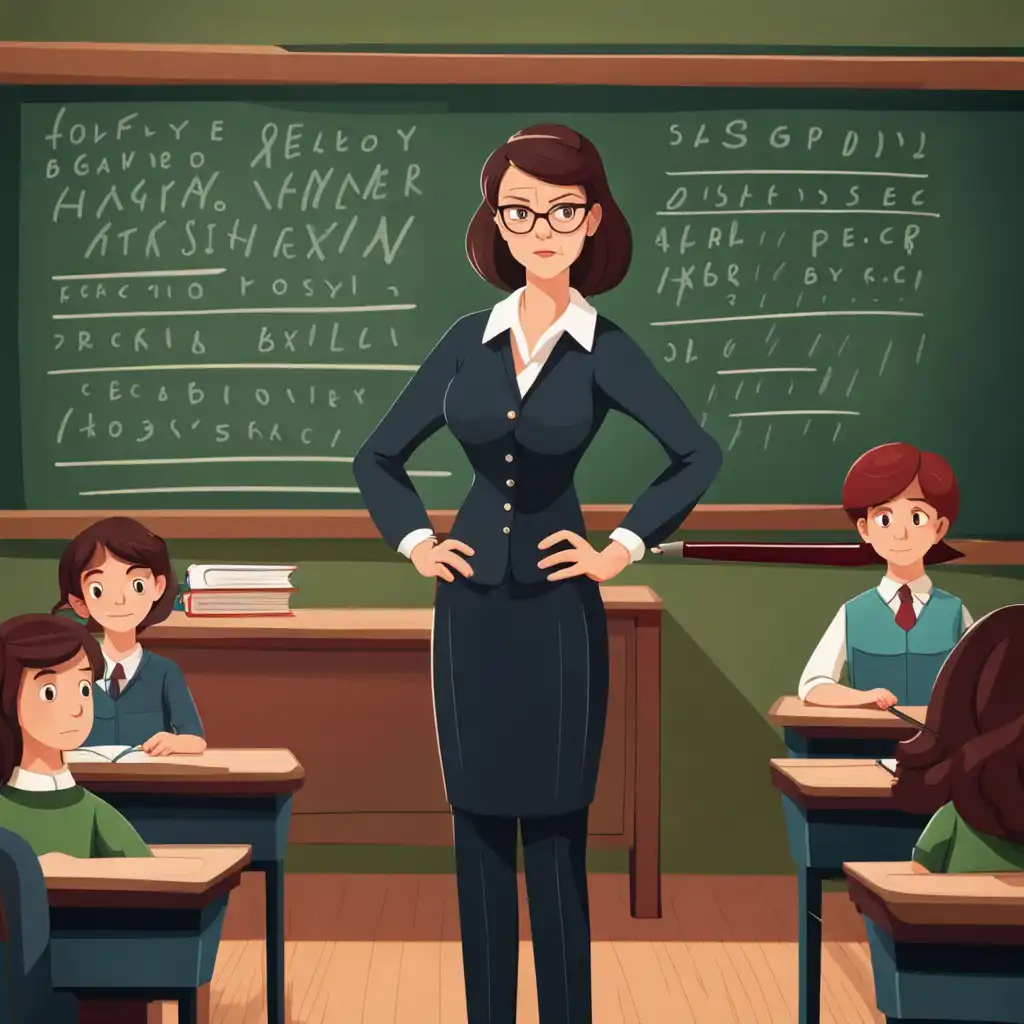
Harsh, stern, or fierce anger
We feared the wrath of our strict teacher.

ræθ
Damaging or destructive force or effect
The wrath of the hurricane destroyed many houses.
Audio could not be loaded. Please try again later.
The word 'wrath' means extreme anger or rage. It is typically used to describe when someone is very angry and may act out in a destructive or aggressive way. For example, a person might feel wrath towards someone who has betrayed or hurt them in some way. Or, a character in a story might face the wrath of a powerful enemy or force. Overall, 'wrath' is a strong and serious word that is best used in situations where someone is experiencing intense anger or where there may be serious consequences for that anger.
Anger is a feeling of being upset or frustrated with something or someone. It is a temporary emotion that can arise from various situations.
Wrath is a stronger and more intense form of anger. It is a deep and long-lasting feeling of anger that often leads to destructive behavior.
Wrath is usually associated with a desire for revenge and can be very dangerous. It is a more extreme form of anger that can have serious consequences.
Anger is a more common and less serious emotion that can be controlled, while wrath is a stronger and more dangerous emotion that should be avoided.
Open word: Anger →Annoyance is a feeling of mild irritation, discomfort, or bother caused by something or someone. It is a smaller, more insignificant feeling that doesn't usually last long.
Wrath is a strong feeling of extreme anger, often associated with a desire for revenge. It is a bigger and more intense feeling than annoyance, and it can have serious consequences if acted upon.
Each one is applicable in different situations. Annoyance may be felt when someone interrupts you while you are working, or when someone chews their food loudly.
Annoyance is a mild feeling of discomfort or bother, while wrath is a strong feeling of extreme anger and desire for revenge.
Open word: Annoyance →Exasperation means a feeling of irritation or annoyance usually caused by a repeated annoyance or frustration. It is less severe than wrath.
Wrath is an intense anger, often accompanied by a desire to seek revenge. It is a more extreme emotion than exasperation.
Exasperation is a feeling of annoyance, while wrath is a feeling of intense anger and a desire for revenge.
Exasperation is applicable in situations where you are repeatedly annoyed or frustrated, while wrath is applicable in situations where someone has intentionally harmed you.
Open word: Exasperation →Both fury and wrath refer to intense anger, but there are subtle differences in their usage. Fury tends to describe a sudden outburst of anger, often accompanied by action, while wrath is more of a slow-burning anger that lasts for a longer period of time.
For example, if someone cuts you off in traffic and you immediately start honking, yelling, and chasing them, that would be considered fury.
In terms of language, fury is often used to describe a situation or person who is very angry, while wrath is more often used to describe the state of being angry itself.
For example, you might say "The teacher's fury was unleashed when she found out about the cheating," but you might say "He was consumed by a wrath that he couldn't shake."
Overall, both words describe intense anger, but fury is more sudden and action-oriented, while wrath is more long-lasting and internal.
Open word: Fury →Indignation refers to a feeling of anger or annoyance caused by something unjust or unworthy. It is a feeling of being righteously angry.
For example, if someone gets mad because they were unfairly accused of something, that would be indignation.
Indignation is a feeling of anger that is based on a sense of right and wrong, while wrath is an intense anger that can be dangerous and destructive.
Open word: Indignation →Both ire and wrath refer to anger or fury, but ire generally suggests a more controlled or restrained anger while wrath suggests an intense, uncontrolled anger.
Ire can be applicable in situations where someone is frustrated or annoyed but not necessarily experiencing a full-blown fit of rage.
For example, if your friend cancels plans with you last minute, you might feel some ire towards them for letting you down.
Ire is a milder expression of anger while wrath is a more extreme and forceful expression of anger.
Open word: Ire →Both rage and wrath refer to intense anger, but there is a subtle difference in usage.
Rage refers to a sudden, explosive outburst of anger, usually in response to a perceived provocation or injustice. It is characterized by an uncontrollable and violent reaction that may manifest physically (like breaking something) or verbally (yelling or screaming).
Rage is more short-lived and immediate while wrath is more long-lasting and persistent. Both can be used in a variety of contexts, from personal relationships to social or political issues.
Open word: Rage →Resent means to feel angry or bitter towards someone because of something they did to you in the past.
For example, you might resent your friend for not helping you when you needed it, or you might resent your parents for not letting you do something you wanted.
Resent is a feeling of bitterness towards someone, while wrath is a much more intense feeling of anger or fury.
Open word: Resent →and speak to the prisoners under the following you may only make one statement, and you cannot tell them any new information. What can you say to help free the prisoners without incurring the dictator's wrath? After thinking long and hard,
Watch on YouTube ↗The tigers of wrath are wiser than the horses of instruction.
was that this was completely surprising, this came out of the blue, this was like the wrath of the gods. There was no responsibility. So as a reflection of this,
Watch on YouTube ↗There is little for the great part of the history of the world except the bitter tears of pity and the hot tears of wrath.
through the sky a shooting star can you tell us about it and what sky is that right and I said well sure but what's your interest in this and they said we saw what you did to tie tack again we have a lot of here we don't want me to wrap up in bourbon so we don't want to be the we don't want to be next in line I feel your wrath
Watch on YouTube ↗Mercy should make us ashamed, wrath afraid to sin.
Appearing throughout historical records, these mysterious lights that came out of nowhere and disappeared after a short while were thought to be ill omens of war and famine, or the wrath of gods. But recent research has revealed that comets may be even more deeply connected
Watch on YouTube ↗Fairest and dearest, your wrath and anger are more heavy than I can bear; but learn that I cannot tell what you wish me to say without sinning against my honour too grievously.
wrath but today his luck runs out unable to escape the anaconda Strikes Back it sinks its fangs deep into a
Watch on YouTube ↗Tis said that wrath is the last thing in a man to grow old.
But this wasn't a stroke of luck. Before they had crossed halfway, the water returned in a wave higher than anyone had ever seen, drowning the attackers. The Potiidaeans believed they had been saved by the wrath of Poseidon. But what really saved them
Watch on YouTube ↗The wrath of God is a way of saying that I have been living in a way that is contrary to the love that is God. Anyone who begins to live and grow away from God, who lives away from what is good, is turning his life toward wrath.
do not under any circumstances incur the wrath of the gods. The Greek Pantheon is a dangerous mix of divine power and human insecurity, prone to jealousy and grudges of epic proportions. And many of the problems faced by humans in the poems are caused by their hubris,
Watch on YouTube ↗Whoever I have to face has to feel the wrath.
which caught the attention of one of the lords’ daughters. When she reached for it the skull of Jun spat on her hand and impregnated her. Fleeing of her father’s wrath,
Watch on YouTube ↗Men often make up in wrath what they want in reason.
The couple repeatedly lunged after the bird, but they were too worn out for the chase. So they prepared to receive the wrath of the gods. Their guests rose up shedding their rags and mortal masks.
Watch on YouTube ↗We must use the wrath of nature as our teacher.
They implored Fionn to give up the hunt and at this their leader grew quiet. He’d already lost a dear friend— now it seemed his wrath had cost him the respect of his men as well. Swallowing his rage he called off the chase.
Watch on YouTube ↗Throw away thy rod, throw away thy wrath; O my God, take the gentle path.