upland
noun upland
ˈʌplənd
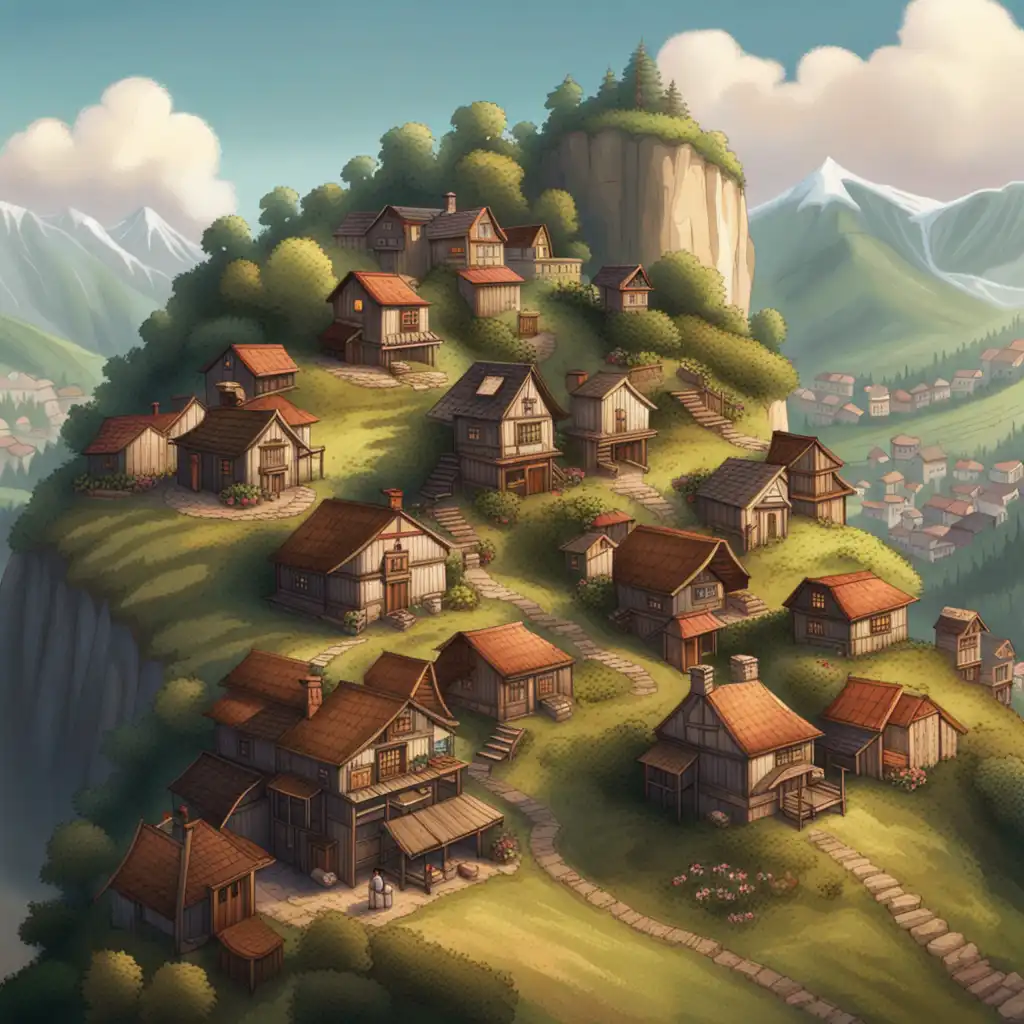
A piece of land which is higher or raised compared to the surrounding land.
The small mountain village was situated in the upland area.
upland
ˈʌplənd
Loading…
ˈʌplənd
A piece of land which is higher or raised compared to the surrounding land.
The small mountain village was situated in the upland area.
ˈʌplənd
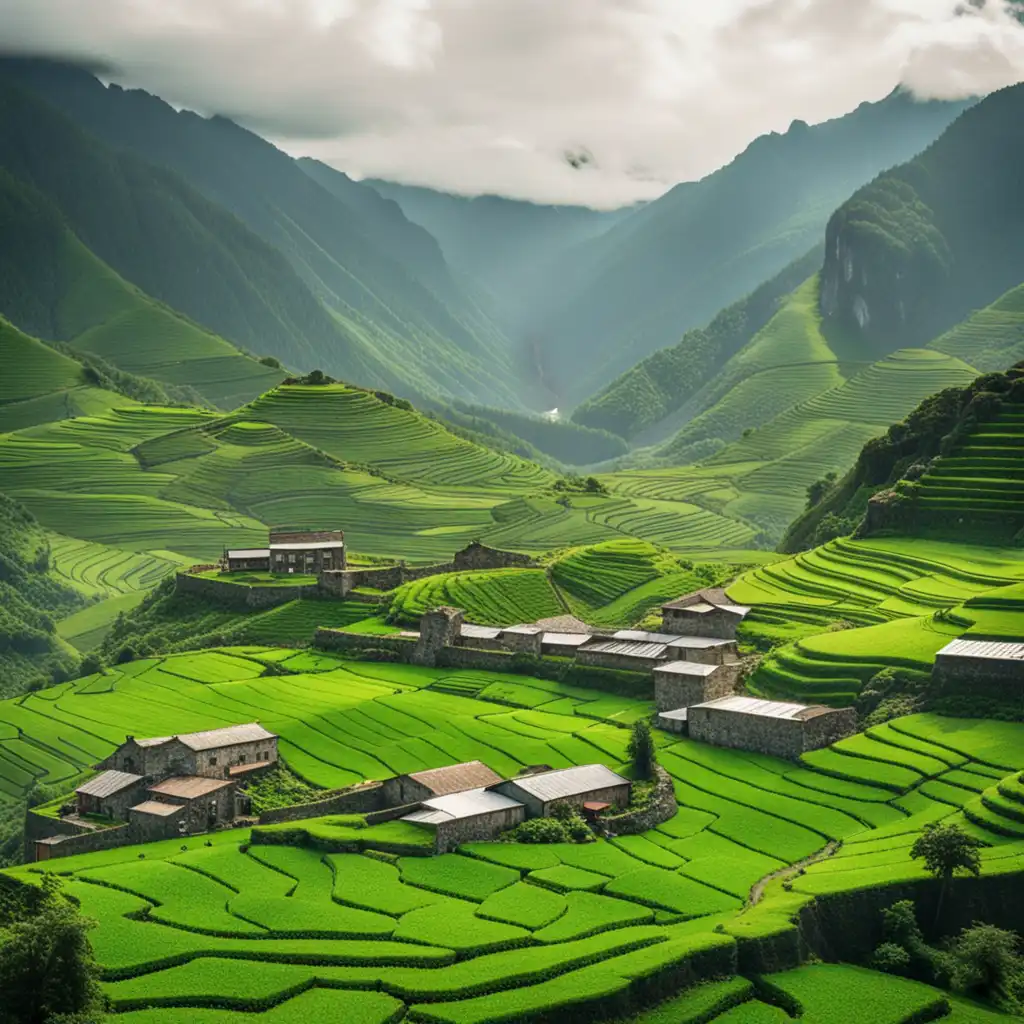
Connected with land that is high or mountainous.
They farmed in the upland areas where the soil was fertile.
Audio could not be loaded. Please try again later.
Upland is a word used to describe high areas of land that are often hilly or mountainous. It can be used to describe a place that is above sea level, with steep slopes and rocky terrain. For example, the Scottish Highlands are an upland area known for their rugged scenery and beautiful views. The word upland can also refer to farming or agriculture practices in areas with these characteristics, such as grazing livestock or growing crops that thrive in cooler climates like oats or barley. So, if you hear the word upland, it means high up and often steep hilly areas, and it can be used in relation to geography, farming, or agriculture.
Highland generally refers to a region that is higher in elevation compared to the surrounding areas. They are often characterized by mountain ranges, plateaus, and hills.
Both terms are used to describe regions with higher elevations, but highland usually implies a more rugged terrain while upland implies a gentler elevation.
Highland regions are often associated with more extreme weather conditions, while upland regions are often milder.
Examples of highland regions include the Scottish Highlands, the Alps or the Rocky Mountains. Examples of upland regions include the Appalachian Mountains, the English Uplands or the Cumberland Plateau.
Open word: Highland →A plateau is a flat-topped landform that rises sharply above the surrounding area, while an upland is a group of higher lands that are easily distinguishable from the surrounding areas.
A plateau is usually an elevated region with a flat top and steep sides, created by geological forces such as volcanic activity or uplift.
It is commonly found in areas of tectonic activity, such as the Andes Mountains or the Tibetan Plateau. Plateaus are often home to unique ecosystems and vegetation, and are used for farming, grazing and mining.
An upland is a geographical area consisting of hills or mountains, usually smaller than a plateau, and distinguished by their higher elevation than surrounding areas.
A plateau is a flat-topped elevated region, while an upland is a group of higher lands that may be hilly or mountainous in nature.
Open word: Plateau →After Largest Dam...
Watch on YouTube ↗Few things grace a plate as dramatically as a whole plucked upland bird, however it's cooked.
Amanda Burden: How...
Watch on YouTube ↗How the snow falls in the north! Flake on flake falling incessantly, until the small dingles are almost on a level with the uplands. It throws itself on the leaves of autumn, and holds them down in security from the strongest winds.
Sophisticated Mountain...
Watch on YouTube ↗There are eight or nine leading varieties of rice grown in Japan, all of which, except an upland species, require mud, water, and much puddling and nasty work. Rice is the staple food and the wealth of Japan. Its revenues were estimated in rice. Rice is grown almost wherever irrigation is possible.
Genuinely, as a mum, all the sunlit uplands are when we leave the European Union.
Dartmoor proper consists of that upland region of granite, rising to nearly 2,000 feet above the sea, and actually shooting above that height at a few points, which is the nursery of many of the rivers of Devon.
I bridled strongly when Labour introduced their Right to Roam, fearing that it would be misused by the hard Left to stir up unnecessary trouble in the countryside. In fact, greater access to the uplands has been a very good thing.
The uplands of my home country in north central Kentucky are sloping and easily eroded, dependent for safekeeping upon year-round cover of perennial plants.
As millions of people know, one of the great pleasures of walking in areas of the uplands managed for grouse is to see and hear large numbers of curlew, lapwing and golden plover - all ground-nesting birds largely absent or in rapidly declining numbers elsewhere.