
infirm
adjective infirm
ɪnˈfɜːrm
Not physically or mentally strong, typically because of age or illness.
His mother was old and infirm.
infirm
ɪnˈfɜːrm
Đang tải…
ɪnˈfɜːrm
Not physically or mentally strong, typically because of age or illness.
His mother was old and infirm.

ɪnˈfɜːrm
Lacking determination or resolution.
Their will to fight was extremely infirm.
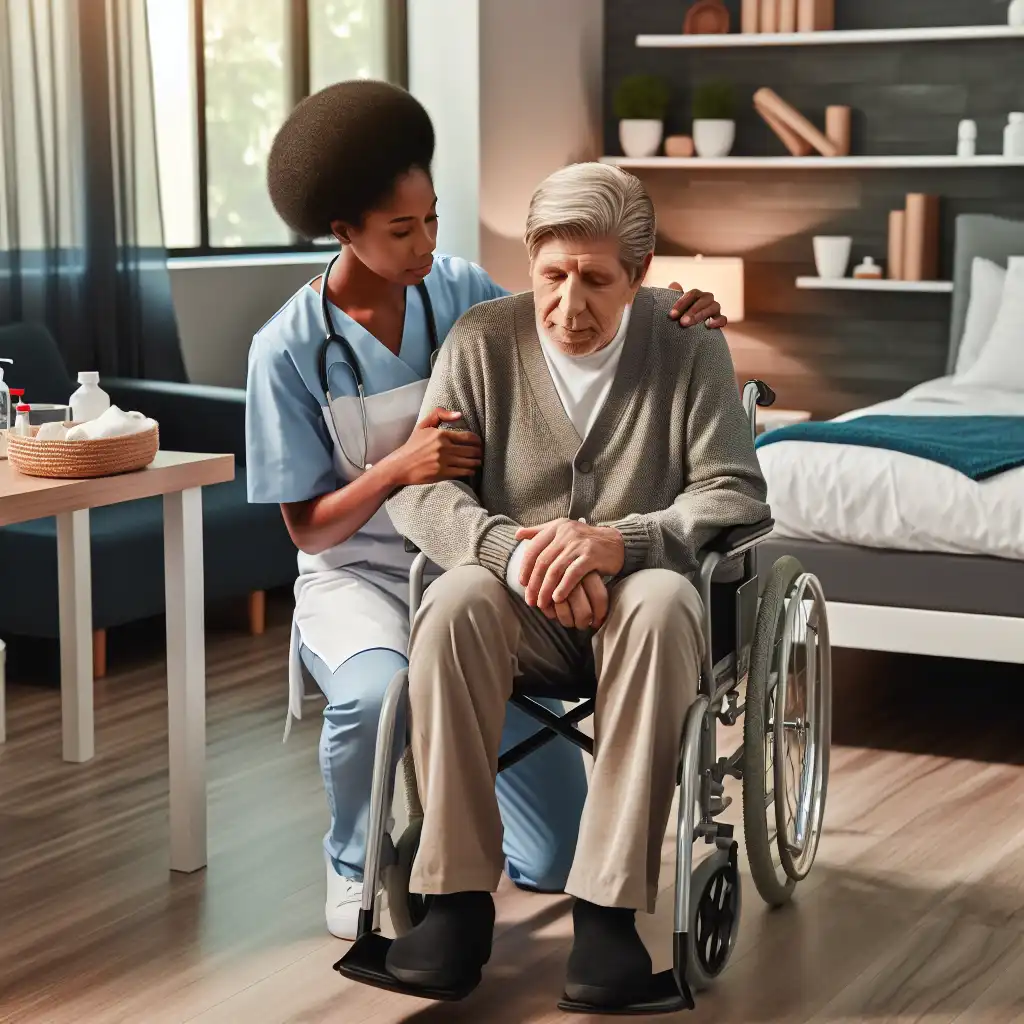
ɪnˈfɜːrm
A person with physical or mental weakness. The law sometimes provides for certain protections for these individuals.
The law protects the rights of infirms and ensures they have access to proper medical care and facilities.
Không tải được âm thanh. Vui lòng thử lại sau.
The word 'infirm' means someone who is sick or weak because of their old age or an illness. It can be used to describe someone who is physically weak or fragile. For example, "The infirm man needed a wheelchair to move around." It is a slightly formal word, so it might be more commonly used in writing rather than in everyday speech.
Ail generally means to feel unwell or to have a minor health problem like a headache or stomachache. The word infirm refers to a person who is weak or frail due to old age or illness.
Ail is applicable to an individual experiencing a temporary discomfort, whereas infirm describes a person's long-term or chronic health condition causing them to be physically weak or fragile.
Mở từ: Ail →Debilitate means to weaken or make someone or something less effective, while infirm means weak or frail.
Debilitate is applicable in situations where something or someone is physically or mentally weakened. For example, a disease can debilitate a person.
Debilitate implies an external force making something weaker, while infirm describes a state of being weak or fragile.
Mở từ: Debilitate →Disabled typically refers to a person who has a physical, mental, or emotional condition that limits their ability to do certain activities that most people can do easily.
For example, a person who uses a wheelchair may be considered disabled.
While both words refer to someone who may have difficulty with certain activities, disabled specifically refers to a physical or mental condition that causes limitations, while infirm refers more generally to weakness or frailty.
Mở từ: Disabled →Both feeble and infirm refer to weakness or lack of strength, but feeble is more commonly used to describe physical or mental weakness, whereas infirm is often used to describe weakness due to illness or old age.
Feeble also describes something that is weak or inadequate, such as a feeble attempt or feeble excuse. Infirm is typically used to describe a person's physical state, such as an infirm elderly person.
Feeble is a more general term for weakness, while infirm is more specific to physical weakness due to health issues.
Mở từ: Feeble →Frail describes someone or something that is physically weak or delicate. For example, an elderly person who is easily tired or susceptible to injury might be considered frail.
So, while both words describe a form of weakness, frail typically applies to physical strength, while infirm can refer to physical, mental, or emotional strength.
Mở từ: Frail →Incapacitate means to make someone unable to do something, typically because of an injury or illness.
This word is usually used when describing a temporary condition that prevents someone from doing something specific, such as incapacitating an athlete with a sprained ankle so they cannot play in a game.
To sum it up, incapacitate means to make someone temporarily unable to do something specific, while infirm means to describe a more general state of weakness or frailty.
Mở từ: Incapacitate →Sick is used when someone is feeling unwell or has an illness.
It can refer to both physical and mental conditions. For example, someone with the flu or a broken arm can be considered sick.
Sick describes a broader range of health issues, while infirm specifically refers to physical weakness or limitations.
Mở từ: Sick →Infirm means someone who is physically or mentally weak and unable to take care of themselves.
Weak means someone who lacks strength or power.
This word can be used for physical strength as well as mental or emotional strength. For example, when someone has a fever, they may feel weak and tired, or when someone is feeling overwhelmed, they may describe themselves as emotionally weak.
Overall, infirmity is usually associated with physical and mental disabilities, while weakness can refer to a lack of strength in different areas of life.
Mở từ: Weak →Jimmy Nelson: Gorgeous...
Xem trên YouTube ↗I've personally demanded that tyrants let their people go. I've tried to feed the hungry, clothe the poor, protect the elderly and infirm, and defend the needy from the aggressively greedy. I've led a blessed life. What a kick for a kid from the projects.
You can't help getting older, but you can help yourself from becoming old and infirm, in mind as well as body.
I know more about what it's like to be elderly and infirm and kind of stupid, the way you get forgetful, but on the other hand I'm a littler, wiser, dare we say? The word 'wisdom' has kind of faded out of our vocabulary, but yeah, I'm a little wiser.
Generally, the younger the victim, the greater the grief. Yet even when the elderly or infirm have been afforded merciful relief, their loved ones are rarely ready to let go.
Every human - especially the most vulnerable, the unborn, the infirm, those ravaged by age and those desperate in despair - should be protected in law, loved, and told repeatedly of their incredible beauty and worth.
Don't program yourself to break down as you age with thoughts that decline is inevitable. Time may be passing for our bodies, but because they house our ageless souls, we never need to see ourselves as old and infirm.
The sword is very handsome. I am too old and infirm, as you see, to ever use a sword again, but I am glad that my old mother state has not entirely forgotten me.
The United States prides itself on being the richest country in the world. Yet we can't balance the budget, pay for education, or take care of the aged and infirm.
What we know about super old people who are thriving is that they don't become infirm, they don't get cancer, they don't get Alzheimer's.
That there is as yet no drug for immortality - or, for that matter, for muscle growth in the infirm - does not mean that immortality is theoretically or even technically impossible.