insecticide
noun insecticide
ɪnˈsektɪsaɪd
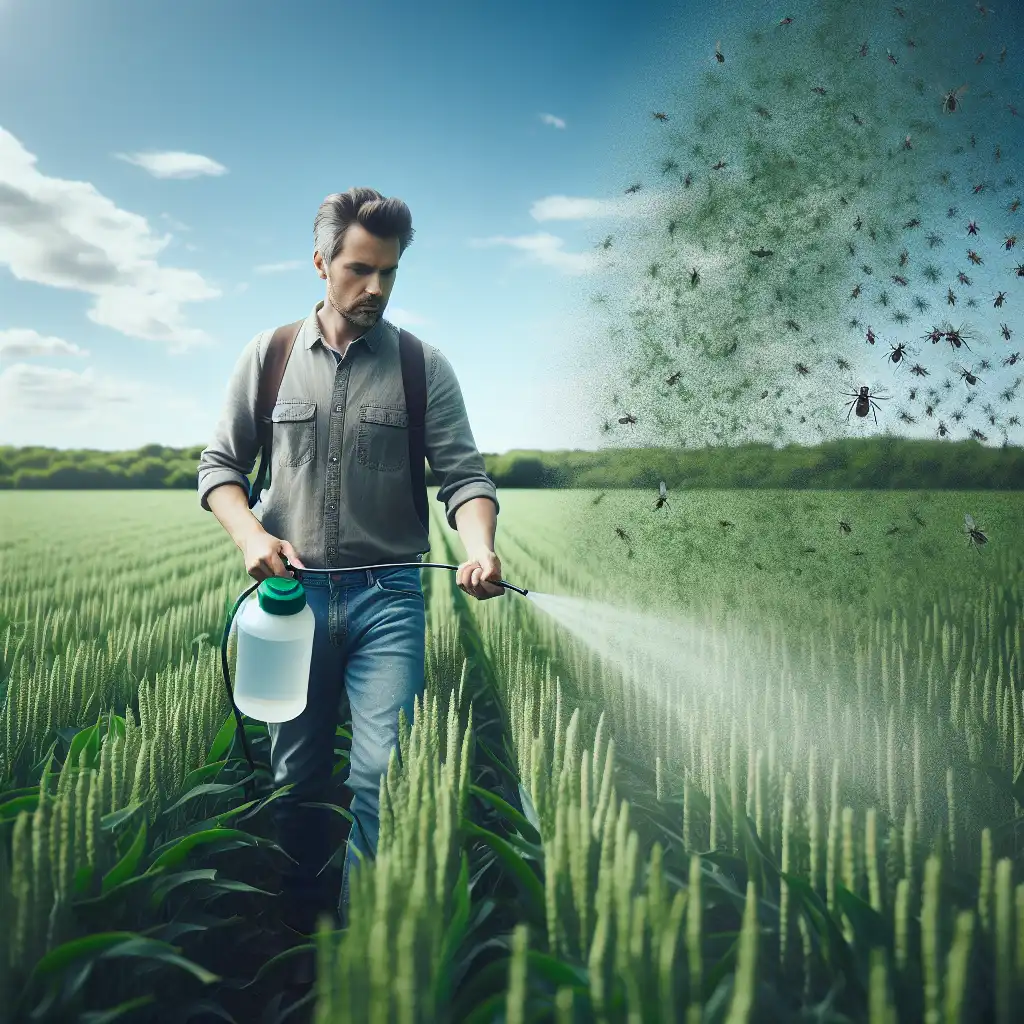
A chemical that is used to kill insects.
The farmer sprayed insecticide on the crops to protect them from pests.
insecticide
ɪnˈsektɪsaɪd
불러오는 중…
ɪnˈsektɪsaɪd
A chemical that is used to kill insects.
The farmer sprayed insecticide on the crops to protect them from pests.
오디오를 불러오지 못했어요. 잠시 후 다시 시도해 주세요.
'Insecticide' is a word that describes a substance used to kill insects. It is often used in gardening and agriculture to protect crops from pests, or in homes to eliminate ants, flies, and other insects. If you are experiencing problems with insects, you might consider using an insecticide to get rid of them. However, you should always follow the instructions carefully to ensure safe and effective use.
Fungicide refers to a chemical substance that is used to kill or control fungi, which are types of organisms that can cause diseases in plants.
Fungicides are applied to crops like grapes, tomatoes, and wheat to prevent them from getting damaged by fungal infections.
In short, fungicides are used to control fungi while insecticides are used to control insects. Both are used in agricultural practices to protect crops and increase yields.
단어 열기: Fungicide →Herbicides and insecticides are types of pesticides that are used to control different types of pests.
Herbicides are pesticides that are designed to control or kill weeds and other unwanted plants. They are generally used in agriculture to protect crops from competition with weeds, but may also be used in other settings such as lawns and gardens.
Herbicides can be applied directly to the plant or to the surrounding soil, and can be selective (targeting specific types of plants) or non-selective (killing all plants they come into contact with).
Overall, herbicides are used to control or kill unwanted plants, while insecticides are used to control or kill insect pests.
단어 열기: Herbicide →The main difference between insecticides and pesticides is that insecticides are specific products that target insects, while pesticides are products that target a wider range of pests, including insects, rodents, and plants.
Pesticides are used to control a wide range of pests, including insects, rodents, and weeds. They are often used in agriculture to protect crops from pests and weeds that can damage or kill the plants.
Pesticides can be chemical or non-chemical, and can be applied in various ways, such as sprays, dusts, baits, and traps.
Both insecticides and pesticides can be harmful to humans and the environment if not used properly, so it is important to always follow the instructions on the label and use caution when applying them.
단어 열기: Pesticide →Meanwhile cotton uses more insecticides and pesticides than any other crop in the world. These pollutants can be carcinogenic, harm the health of field workers, and damage surrounding ecosystems.
YouTube에서 보기 ↗In temperate zones, winter is the best insecticide; it keeps the bugs in check. The tropics enjoy no such respite, so plants there have developed a wide range of alkaloids that kill off nosy insects and animals.
sometimes twice a day when pest pressure is high. But we know that some insecticides are very harmful to human health, especially when farmers and their families cannot afford proper protection like these children.
YouTube에서 보기 ↗Natural selection certainly operates. It explains how bacteria will gain antibiotic resistance; it will explain how insects get insecticide resistance, but it doesn't explain how you get bacteria or insects in the first place.
Mercado nada nada no guy Says he doesn't use insecticides Pretty surprised to find out all right he said no car for urine but what we're finding is a spray bottle up there
YouTube에서 보기 ↗immediate Abasi are the world's most devastating insect pests they have a global distribution they look alike they transmit plant viruses and become insecticide resistant very quickly the white flies use their stylus or modified
YouTube에서 보기 ↗which is resistant to over 50 different insecticides. Another downside is that other bugs get caught in the crossfire. Some of these are helpful predators of plant pests or vital pollinators, so erasing them from agriculture wipes out their benefits too. Pesticides have improved over time
YouTube에서 보기 ↗Now how can this help us? Well it has been calculated that if we were to remove bats from the equation we're going to have to then use insecticides to remove all those pest insects that feed on our agricultural crops. And for one year in the U.S. alone it's estimated
YouTube에서 보기 ↗Human intervention can also help. Researchers use satellite imagery to identify regions at risk of becoming locust hotspots and alert local governments. While most countries fight back with chemical insecticides,
YouTube에서 보기 ↗with a pyrethroid insecticide for example, the results will likely be fatal. Once absorbed the chemical binds to sodium channel proteins, which help propagate nerve impulses. The pyrethroid keeps the sodium channels open, so the nerves fire repeatedly.
YouTube에서 보기 ↗that can be more toxic than the active ingredient. This small bee is holding up a large mirror. How much is it going to take to contaminate humans? One of these class of insecticides, the neonicontinoids, is making headlines around the world right now.
YouTube에서 보기 ↗an insecticide treated bed net and you can teach someone to use them. And not only do they protect the people who sleep under them, but they have these great contagion benefits. If half of a community sleeps under a net, the other half also benefits
YouTube에서 보기 ↗