unleavened
adjective unleavened
ˌʌnˈlevnd
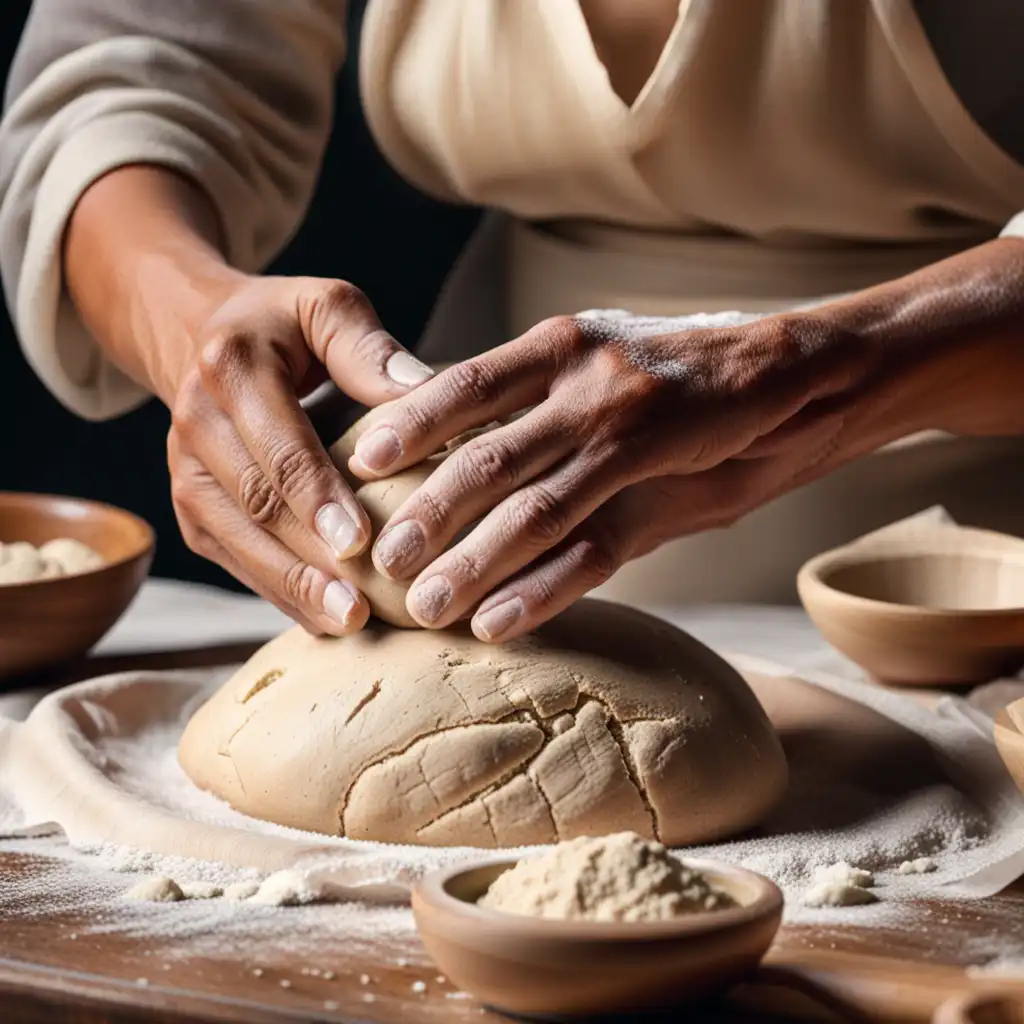
Food, especially bread, that is made without yeast.
For their dinner, they made unleavened bread following an ancient recipe.
unleavened
ˌʌnˈlevnd
読み込み中…
ˌʌnˈlevnd
Food, especially bread, that is made without yeast.
For their dinner, they made unleavened bread following an ancient recipe.

ˌʌnˈlevnd
Relating to items or events which are simple and not embellished.
The ceremony was distinctly unleavened - there was no music or flowers.
ˌʌnˈlevnd
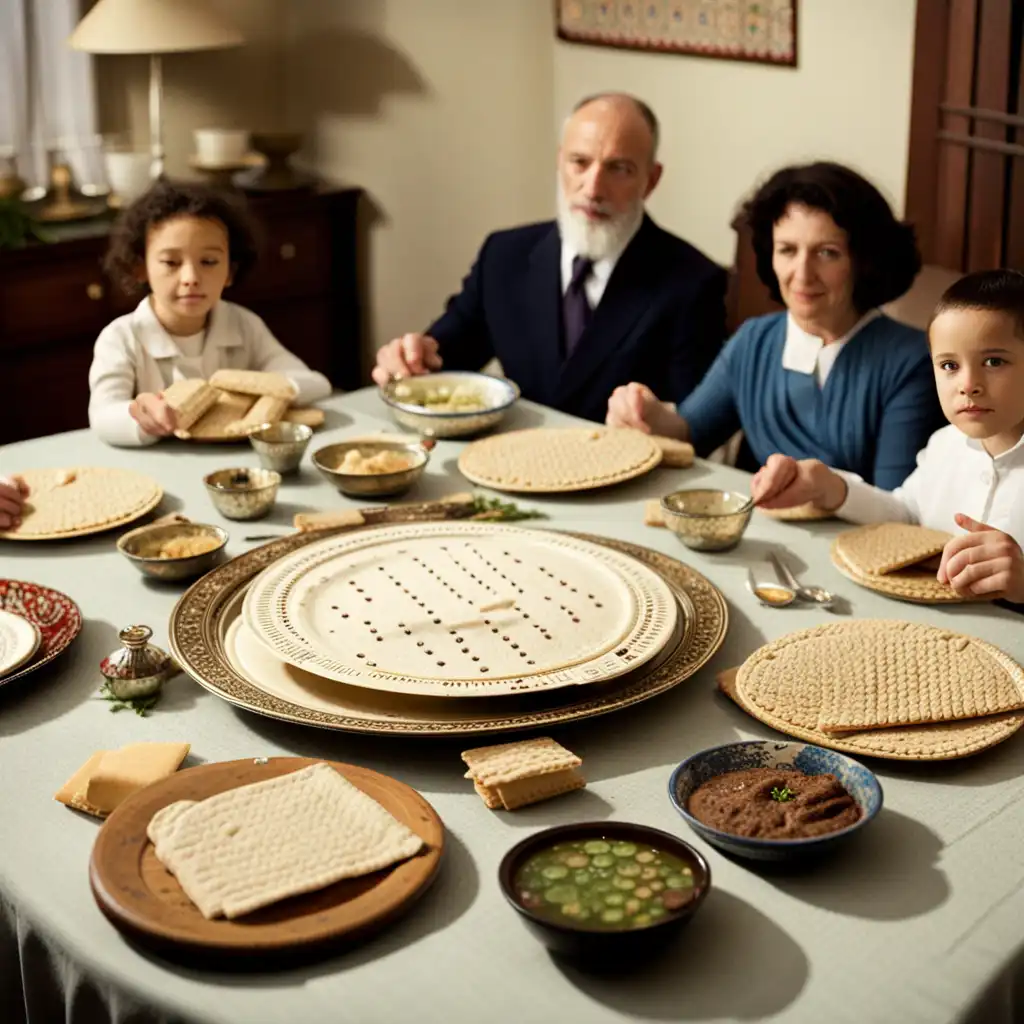
Of or relating to the Jewish practice of eating unleavened bread during Passover.
During the Passover holiday, Jewish people eat unleavened bread as a religious mandate.
音声を読み込めませんでした。しばらくしてからもう一度お試しください。
The word 'unleavened' refers to food that is made without yeast or any other rising agent. It is commonly used in relation to bread, crackers, and other baked goods that are not fluffy or light. For example, unleavened bread is a type of flatbread that is traditionally eaten during certain religious holidays. In more general terms, 'unleavened' can be used to describe any type of food that is not leavened or does not rise, such as tortillas or certain types of cookies.
Compact means dense or tightly packed.
It is often used to describe objects that are small and take up very little space. For example, a compact car is small and takes up less space than a larger car.
Compact describes physical objects or things that are tightly packed or efficient, while unleavened describes food that does not contain yeast or other leavening agents.
単語を開く: Compact →Dense means something that is closely compacted or has a lot of mass in a small area.
Unleavened means something that is made without any leavening agent, such as yeast, baking powder, or baking soda. Unleavened items tend to be flat and denser than their leavened counterparts.
Dense describes the mass and weight of an object, while unleavened describes the absence of leavening agents in food.
単語を開く: Dense →Flat refers to something that is level, without any curves or bumps.
So, while both words refer to a lack of height or elevation, flat is a more general term that can be applied to any object or surface, while unleavened is a more specific term that only applies to certain types of bread.
単語を開く: Flat →Heavy refers to something that is physically weighty or dense, while unleavened refers to food that does not contain yeast or any leavening agents that cause it to rise.
Heavy can describe a variety of things, such as a weightlifting barbell or a large object that is difficult to move because of its weight.
Heavy refers to weight or density, while unleavened refers to the absence of leavening agents in food.
単語を開く: Heavy →Solid refers to an object or substance that has a firm and stable shape, such as a block of wood or a metal ball. Unleavened, on the other hand, refers specifically to bread that has not been allowed to rise or ferment with the help of yeast or other leavening agents.
Solid is a broader term that could apply to almost anything that has a firm structure or form, while unleavened specifically refers to bread that has not undergone the process of fermentation.
単語を開く: Solid →How we can navigate the...
YouTube で見る ↗Newt Gingrich has a restless and outsized intelligence that is tragically unleavened by any kind of critical sensibility.
How to live to be 100+ -...
YouTube で見る ↗