sanitation
noun sanitation
ˌsænɪˈteɪʃn
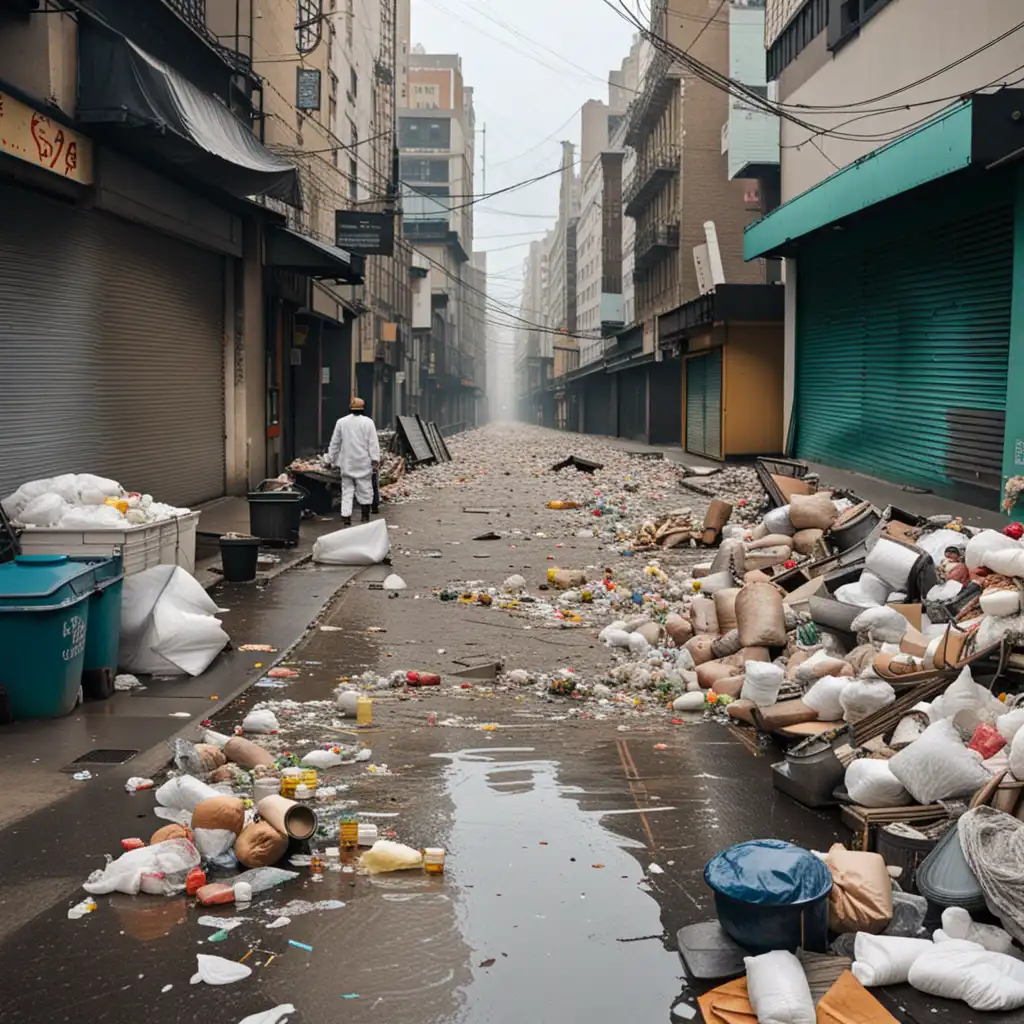
The methods used to keep places clean and healthy to live in, especially by removing human waste and trash.
The poor sanitation in the city has led to an outbreak of diseases.
sanitation
ˌsænɪˈteɪʃn
Cargando…
ˌsænɪˈteɪʃn
The methods used to keep places clean and healthy to live in, especially by removing human waste and trash.
The poor sanitation in the city has led to an outbreak of diseases.
ˌsænɪˈteɪʃn
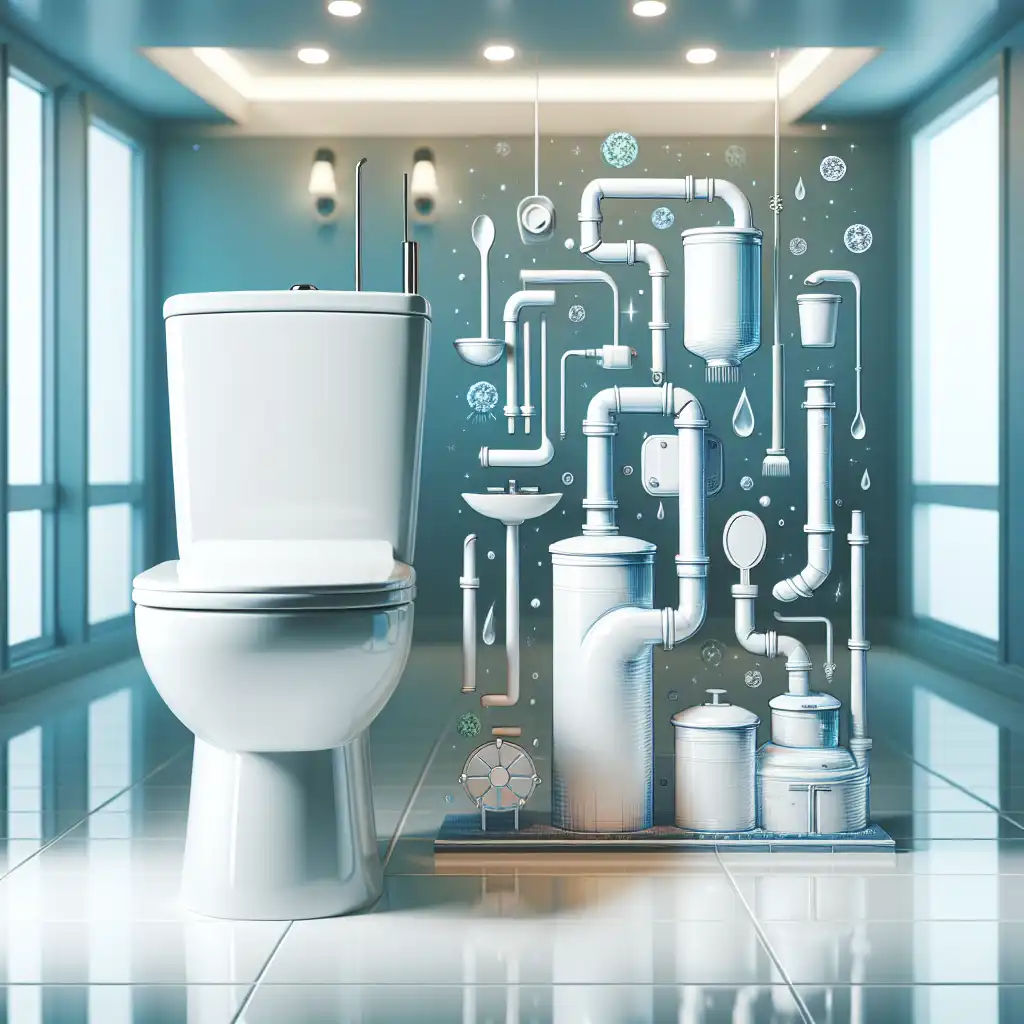
The equipment or devices such as toilets, septic tanks, or sewerage pipes, used in the process of keeping places clean and removing waste.
The building's sanitation system needs to be upgraded to meet the new environmental standards.

ˌsænɪˈteɪʃn
The process of making something free from bacteria or disease by cleaning it thoroughly.
The hospital has a strict sanitation procedure to prevent the spread of infections.
No se pudo cargar el audio. Inténtalo de nuevo más tarde.
The word 'sanitation' is used to describe actions taken to keep things clean and free from germs. It often refers to things like washing hands, cleaning surfaces, and disposing of waste properly to prevent the spread of disease. Sanitation is important in many places, including homes, schools, hospitals, and public places like parks and restaurants. It helps keep people healthy and prevent the spread of illnesses.
Cleanliness refers to the state of being free from dirt, germs, or unwanted substances. It involves keeping things tidy and organized, such as washing hands and dishes, wiping down surfaces, and vacuuming floors.
Both cleanliness and sanitation are important for maintaining a healthy environment, but sanitation is more vital in places where there is a higher risk of infection, such as hospitals, food processing facilities, and public restrooms.
Cleanliness is applicable in everyday settings, such as homes, schools, and offices, where maintaining a neat and tidy environment can help promote productivity and well-being.
Abrir palabra: Cleanliness →Disinfection refers to the process of killing or eliminating harmful microorganisms, such as bacteria, viruses, and fungi, from surfaces, objects, or even water.
Disinfection is a specific process used to kill harmful microorganisms while sanitation is a broader term used to maintain overall cleanliness and hygiene in a given environment.
Disinfection is typically applied in environments where there is a high risk of infection transmission, such as hospitals and food processing facilities, while sanitation is important in maintaining a healthy environment in public spaces, homes, and workplaces.
Abrir palabra: Disinfection →Hygiene refers to practices that prevent the spread of illness and disease by maintaining cleanliness and a healthy living environment.
Both hygiene and sanitation are crucial for maintaining good health and preventing the spread of disease, but they are applicable in different areas.
Hygiene is most applicable in personal care and hygiene practices, while sanitation is most applicable to waste disposal and water treatment.
Abrir palabra: Hygiene →Purification is the process of removing impurities or contaminants to make something pure or clean, whereas sanitation is the process of maintaining cleanliness and hygiene to prevent the spread of harmful bacteria, viruses, and diseases.
Purification is applicable in situations where an item or substance is contaminated with harmful or unwanted particles, such as water or air filtration systems.
Purification is about removing unwanted substances, while sanitation is about preventing the spread of harmful ones.
Abrir palabra: Purification →Sterilization involves the complete elimination of all microorganisms, including bacteria, viruses, and fungi from a surface or object.
Sterilization is normally achieved through the use of heat, radiation, chemicals, or filtration.
Sanitation is used to remove visible impurities, and sterilization is used to remove all microorganisms from objects or surfaces.
Sanitation is commonly used in homes and general public spaces like restaurants, while sterilization is used in medical environments where there is a high risk of infection.
Abrir palabra: Sterilization →Countries that have only recently begun the process of industrialization typically see an increase in life expectancy and a fall in child mortality rates as a result of improvements in medicine sanitation and food supply. While birth rates remain constant, leading to a population boom.
Ver en YouTube ↗Although we take it for granted, sanitation is a physical measure that has probably done more to increase human life span than any kind of drug or surgery.
from the funeral industry. It's a multi-billion-dollar industry, and its economic model is based on the principle of protection sanitation and beautification of the corpse. Whether they mean to or not,
Ver en YouTube ↗Because sanitation has so many effects across all aspects of development - it affects education, it affects health, it affects maternal mortality and infant mortality, it affects labor - it's all these things, so it becomes a political football. Nobody has full responsibility.
full of all of these great causes important causes why this issue I think for me as I started to look at issues of extreme poverty and and wanted to get involved water and sanitation just under it was like it undergirded everything it was just so massive and and I didn't
Ver en YouTube ↗Money spent on carbon cuts is money we can't use for effective investments in food aid, micronutrients, HIV/AIDS prevention, health and education infrastructure, and clean water and sanitation.
seen progress on sanitation I can see three reasons first let's look in the mirror we have it too easy we flesh and forget we know there's some system deep underground that will deal with it this very absence of and
Ver en YouTube ↗Unfortunately, the mechanism for doing philanthropy in a structured way isn't yet in place in India. I already do a fair bit and support various causes such as education, sanitation, health. But selling costly drugs at affordable prices is philanthropy in itself.
More than 65 percent of India's population lives without indoor sanitation. Heading into the night barefoot to answer the call of nature is the norm in rural areas
Ver en YouTube ↗No innovation in the past 200 years has done more to save lives and improve health than the sanitation revolution triggered by invention of the toilet. But it did not go far enough. It only reached one-third of the world.
One out of ten people in the world can't actually be sure that their water is clean and safe to drink. Why is that? Inadequate sanitation, poor protection of drinking water sources, and improper hygiene
Ver en YouTube ↗Sanitation and cleanliness are among the humblest of the civic virtues, and it is easy to underestimate their significance.
by keeping us alive when our genes, sometimes combined with infectious diseases, would have killed us. Antibiotics vaccines clean water and good sanitation all make differences between our genes less important.
Ver en YouTube ↗I still have my unemployment books and I remember when I worked for the sanitation department and the post office.
financial instability governance and corruption, malnutrition and hunger population migration, sanitation and water and subsidies and trade barriers. We believe that these in many ways encompass the biggest problems in the world. The obvious question would be to ask, what do you think are the biggest things?
Ver en YouTube ↗Democrats should be getting high-fives from sanitation truck drivers - that is what should be happening in America.
we make an assumption, that we think that if people need something, we don't have to make them want that. And I think that's a mistake. And there's some indications around the world that this is starting to change. One example is sanitation. We know that a million and a half children
Ver en YouTube ↗Water and sanitation has not had the same kind of champion that global health, and even education, have had.
gets into everything we how we talk about it, how we encourage people to study, our jokes our codes And it ultimately determines how innovative we can be. So that's the first reason we don't innovate in sanitation.
Ver en YouTube ↗Water for People is a non-profit international organization that brings together communities, entrepreneurs, governments - people - to create solutions that empower people to maintain their own reliable water systems and sanitation.