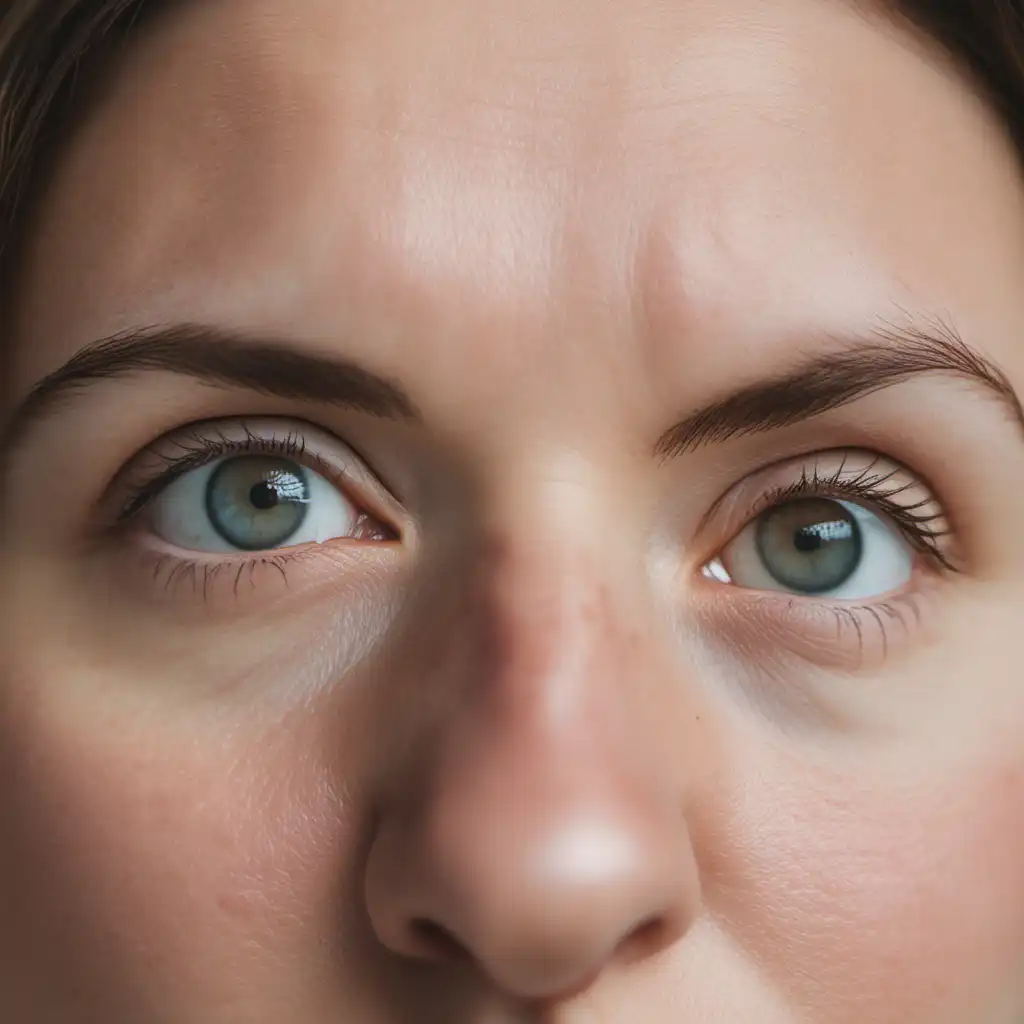
puffiness
noun puffiness
ˈpʌfinəs
The state of being swollen or bloated
I could see some puffiness around her eyes
puffiness
ˈpʌfinəs
Chargement…
ˈpʌfinəs
The state of being swollen or bloated
I could see some puffiness around her eyes
Impossible de charger l’audio. Réessayez plus tard.
Puffiness refers to a situation where a part of the body is swollen or enlarged in size, especially in a temporary way. It is often used to describe the appearance of the face, especially around the eyes, when one has not had enough sleep or has been crying or experiencing allergies. It can also be used to refer to similar swellings in other parts of the body, such as the ankles or legs, due to health conditions or injury. The word puffiness is commonly used in cosmetic and health care contexts to describe the appearance and treatment of such swelling.
Bloat refers to a condition where the stomach is swollen or distended due to excess gas or fluid buildup, often caused by overeating or a medical condition.
It is generally used to describe a physical sensation, such as feeling bloated after a large meal.
To summarize, bloat is the feeling of a swollen or distended stomach, while puffiness is the visible swelling of a body part, typically in the face or eyes.
Ouvrir le mot: Bloat →Bulge typically refers to a rounded or protruding shape, often as a result of something being too big or packed tightly.
For example, a bulging suitcase or a bulging muscle.
To summarize, bulge refers to a round or protruding shape, while puffiness refers to swelling or inflammation. Bulge is used when something is too big or packed tightly, while puffiness is used when there is fluid retention or inflammation.
Ouvrir le mot: Bulge →Distension refers to a part of the body that is swollen or bloated due to some underlying medical condition. For example, a person's abdomen can be distended due to gas, fluid, or inflammation.
Distension refers to a more significant swelling due to medical reasons, while puffiness is a temporary and mild condition that can happen due to various factors.
Ouvrir le mot: Distension →Edema refers to the accumulation of fluid in the tissues of the body, usually as a result of an injury, inflammation, or an underlying medical condition.
Edema is usually a more serious condition than puffiness and requires medical attention, while puffiness can often be treated with rest, hydration, and lifestyle changes.
Ouvrir le mot: Edema →Enlarge means to make something bigger in size or scale. It is applicable in situations when you want to grow or expand something physically, such as enlarging a room or an image.
To summarize, enlarge refers to making something bigger whereas puffiness refers to temporary swelling or increase in volume of a specific area.
Ouvrir le mot: Enlarge →Inflammation is a natural body response to an injury, infection, or irritation. It involves redness, warmth, swelling, and pain in the affected area.
Inflammation is part of the body's way of healing itself.
Inflammation is a more specific condition that involves a response to injury or infection, whereas puffiness is a more general term for swelling that can be caused by many different things.
Ouvrir le mot: Inflammation →Protuberance and puffiness are both words that describe a bulge or a swelling, but they are used in slightly different situations.
Protuberance usually refers to something that sticks out or protrudes from a surface, like a bump on your skin or a knob on a machine.
So, in short, protuberance describes a more defined bulge, while puffiness describes a softer, less defined swelling.
Ouvrir le mot: Protuberance →Puffiness and 'swelling' are two different terms used to describe swelling in different parts of the body. Puffiness usually describes swelling under the eyes, while swelling describes swelling anywhere else in the body.
For example, if you have swollen ankles, you wouldn't say you have puffy ankles.
Similarly, if you have puffy eyes, you wouldn't say you have swollen eyes.
Ouvrir le mot: Swell →