
nomenclature
noun nomenclature
ˈnəʊmənkleɪtʃər
The system or set of names for things, especially in a particular science or art.
The medical nomenclature is full of complicated terms and abbreviations.
nomenclature
ˈnəʊmənkleɪtʃər
Chargement…
ˈnəʊmənkleɪtʃər
The system or set of names for things, especially in a particular science or art.
The medical nomenclature is full of complicated terms and abbreviations.

ˈnəʊmənkleɪtʃər
The act or process of naming things or giving name to something.
Nomenclature of the new discoveries in the field of physics is a challenge.
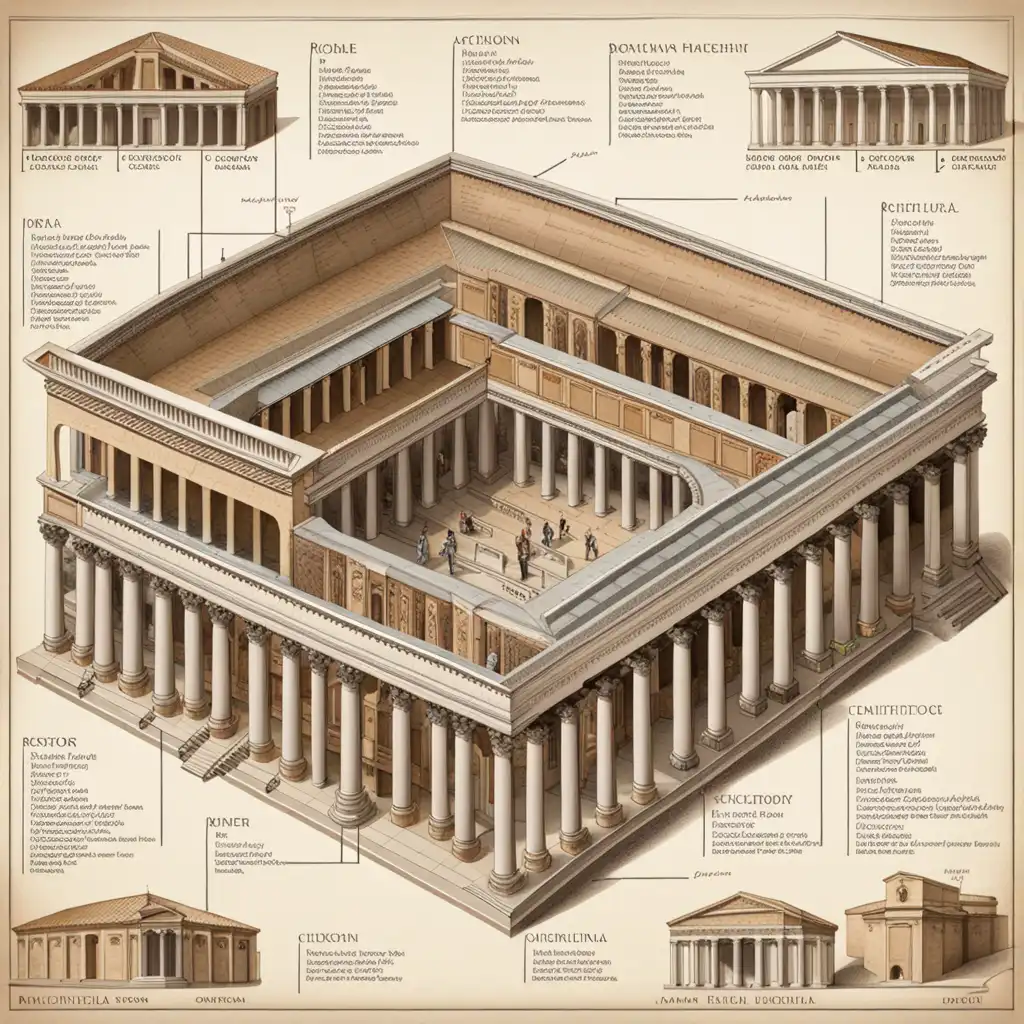
ˈnəʊmənkleɪtʃər
A set of names or terms.
The nomenclature of the ancient Roman architecture are intricate.
Impossible de charger l’audio. Réessayez plus tard.
Nomenclature means a system or set of names for things, especially in a particular field of study or industry. This word is often used when talking about scientific names for plants or animals, chemical compounds, or specialized terms in a particular subject area. It is important to use proper nomenclature when talking about these things so that everyone understands what is being referred to. For example, in biology, scientific names are used as nomenclature to distinguish between different species of animals or plants. In chemistry, nomenclature is used to name different chemical compounds, which helps scientists communicate more effectively with each other.
Classification refers to the process of categorizing or grouping objects, organisms, or concepts based on their characteristics or traits.
It is useful in organizing and understanding complex systems and relationships. Classification is commonly used in biology to group organisms based on their genetic and physical characteristics.
Nomenclature refers to the naming or labeling of objects, organisms, or concepts within a classification system. It is useful in providing a universal system of names and labels for easy communication and understanding.
So, in brief, classification is about categorizing and grouping, while nomenclature is about naming and labeling within those categories or groups.
Ouvrir le mot: Classification →Designate means to give a specific name or label to something or someone.
It is often used to assign a specific role or responsibility to someone. For example, a manager may designate certain employees to work on a particular project.
Designate is used to name individuals or assign roles, while nomenclature is used to classify and name things in a particular field or subject area.
Ouvrir le mot: Designate →A glossary is a list of words and their definitions, usually found at the end of a book or document.
So while a glossary is a list of definitions, a nomenclature is a set of naming conventions.
A glossary is applicable when the text contains many technical terms, whereas a nomenclature is applicable when a particular field of study requires standardization in the naming of concepts or objects.
Ouvrir le mot: Glossary →Lexicon refers to a set or collection of words and phrases in a language, while nomenclature refers to a system or set of names used for things or concepts in a particular field or subject.
For example, a medical lexicon would include all of the words and terminology used in the medical field, whereas medical nomenclature would refer to the specific names and classifications of diseases or treatments.
Lexicon is applicable to language and communication, while nomenclature is applicable to any field that requires specific naming conventions.
Ouvrir le mot: Lexicon →Name is used to refer to the word or set of words used to identify a person, place, thing, or idea. For example, "John" is the name of a person, "New York" is the name of a city, and "apple" is the name of a fruit.
A name is often given by someone or chosen by oneself.
Nomenclature refers to the system or set of names used to classify things according to their characteristics, structure, or relationship with other things.
For example, the nomenclature of organic chemistry includes various naming rules and conventions for naming compounds based on their composition and structure.
It is a way to standardize naming practices in different fields.
In simple words, a name is a unique identifier for something or someone, while nomenclature is a set of rules or guidelines for naming things in a particular field or scientific discipline.
Ouvrir le mot: Name →Nomenclature refers to the system of assigning names to things, while taxonomy refers to the classification of things based on their characteristics.
For example, in biology, nomenclature refers to the system of naming organisms according to their genus and species. Meanwhile, taxonomy refers to the classification of organisms based on their physical and genetic characteristics.
Nomenclature is used to provide a clear and consistent way to label things, while taxonomy is used to understand the relationships between things and to group them based on their similarities.
Ouvrir le mot: Taxonomy →Terminology refers to the language used in a specific profession or industry. It includes technical terms and jargon that are specific to that profession or industry.
For example, the terminology of a car mechanic would include terms like 'brakes', 'engine', and 'transmission'.
Nomenclature is used to classify and identify things, while terminology is used within specific professions or industries to communicate technical information.
Ouvrir le mot: Terminology →Vocabulary refers more broadly to the words that a person knows and uses in general communication, including both basic and specialized terms.
Ouvrir le mot: Vocabulary →Safari Live - Day 170 %\PIPE%...
Voir sur YouTube ↗Every hope of successive generations of scholars that order might be constructed from the chaotic mess of medical nomenclature has been frustrated. Even diseases recognized in the same historical period have been given names based on characteristics that have no relation to one another, and thus no common criteria.
The quest for the...
Voir sur YouTube ↗To that class we may leave it to refine the vernacular dialects of the country, to enrich those dialects with terms of science borrowed from the Western nomenclature, and to render them by degrees fit vehicles for conveying knowledge to the great mass of the population.
The time I trust will come, perhaps within the lives of some of us, when the outline of this science will be clearly made out and generally recognised, when its nomenclature will be fixed, and its principles form a part of elementary instruction.
There are all these interesting rules about asteroid nomenclature. Once you discover it, you have the right to name it, but there's a catch.
While I thought myself employed only in forming a nomenclature, and while I proposed to myself nothing more than to improve the chemical language, my work transformed itself by degrees, without my being able to prevent it, into a treatise upon the Elements of Chemistry.
The reality is, is that the military is full of native nomenclature. That's what we would call it. You've got Black Hawk helicopters, Apache Longbow helicopters. You've got Tomahawk missiles. The term used when you leave a military base in a foreign country is to go 'off the reservation, into Indian Country.
I wonder if there's space to queer the nomenclature in fitness. Maybe we call a goblet squat a Dannii Minogue instead? Just an idea.
When I joined Google, they asked me what title I wanted. I said, 'What about archduke?' They said, 'Well, that didn't meet our nomenclature. Why don't you be our Chief Internet Evangelist?' This was in 2005.