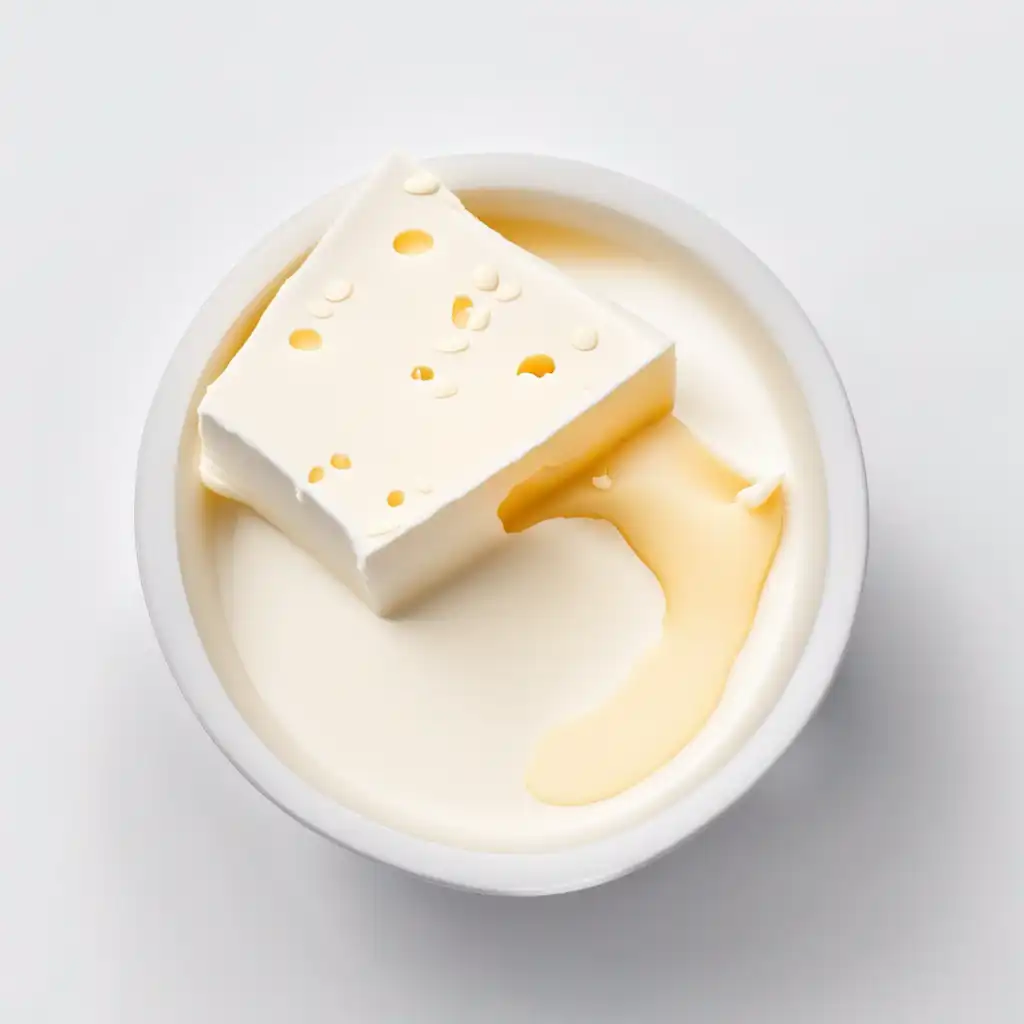
curd
noun curd
kɜːrd
The thick part of milk that forms when it becomes sour or when an acid is added.
The cheese is made from the curd left after the whey is removed.
curd
kɜːrd
読み込み中…
kɜːrd
The thick part of milk that forms when it becomes sour or when an acid is added.
The cheese is made from the curd left after the whey is removed.
kɜːrd
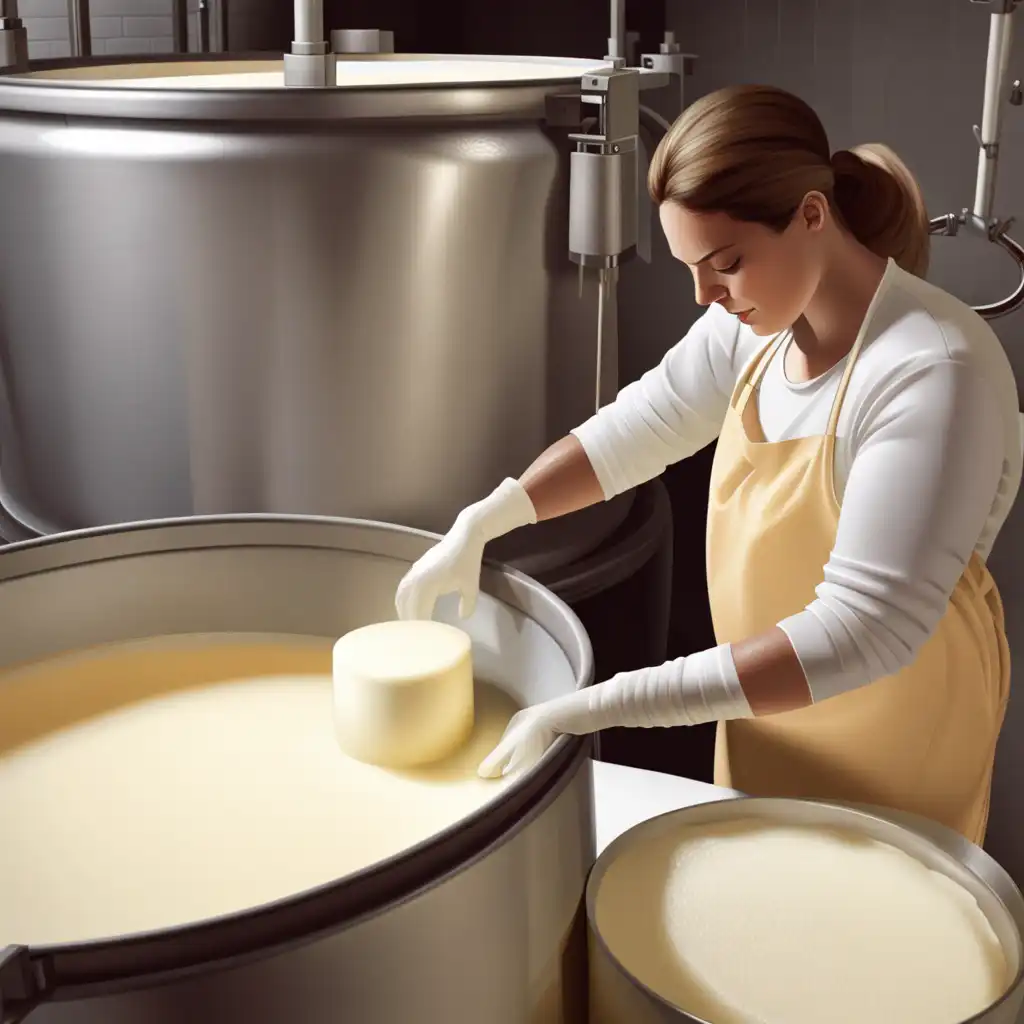
A soft substance made by adding an acid to milk, used to make cheese.
He spent the morning separating the whey from the curd in the cheese-making process.
kɜːrd
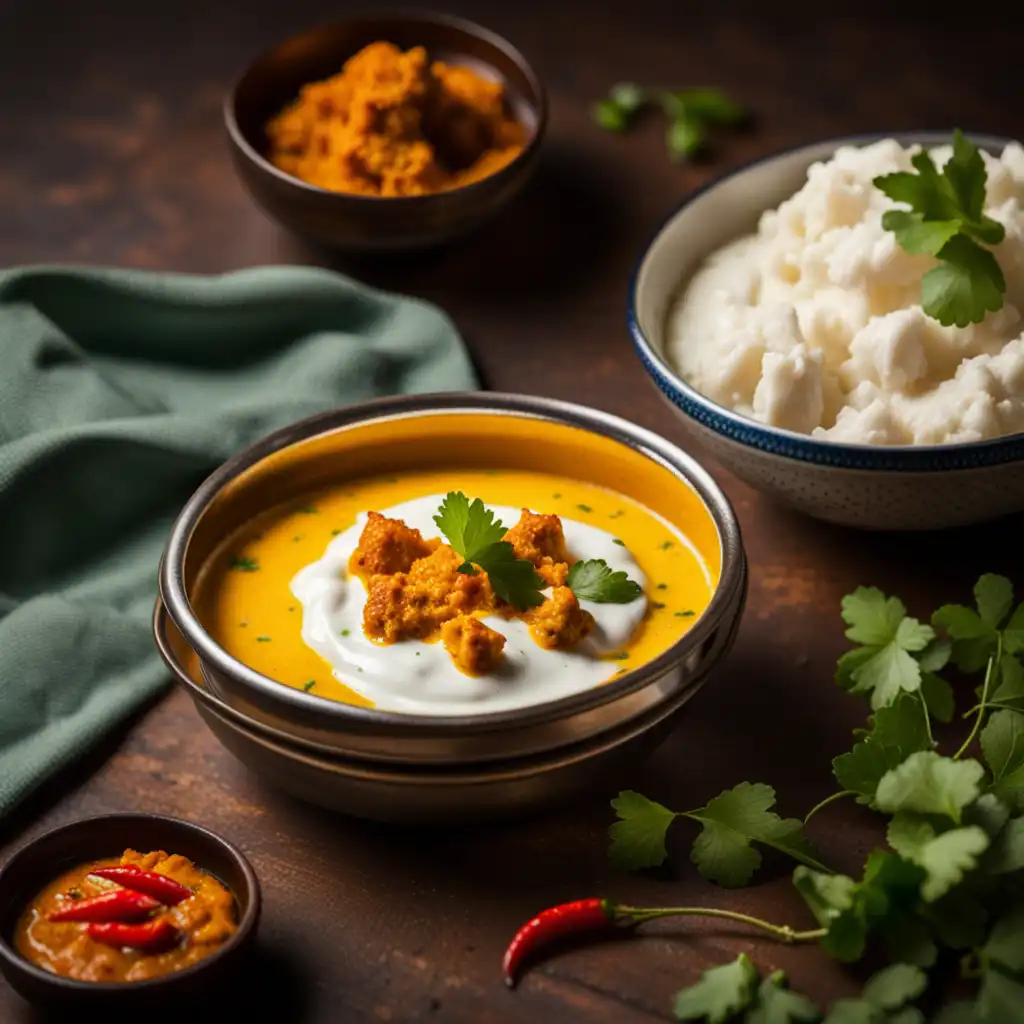
A type of food in Indian cooking made from curdled milk.
He served the spicy curry with a side of cooling curd.
音声を読み込めませんでした。しばらくしてからもう一度お試しください。
Curd is a noun that refers to a thick white or yellowish substance made by curdling milk. It is commonly used in food, such as for making cheese, yogurt or dessert. The word is often used in recipes or when talking about dairy products. For example, when making a cheesecake, the recipe may call for cream cheese curd. It is important to note that the word curd is not used in everyday conversation and is mostly reserved for food-related contexts.
Cheese and curd are both dairy products made from milk, but they are different in texture and usage.
Cheese is made by adding bacteria and rennet (an enzyme) to milk, which causes it to thicken and form curds. The curds are then separated from the whey (the liquid part of the milk) and can be aged or processed into various types of cheese, such as cheddar, mozzarella, or brie.
Cheese is often used as a topping or ingredient in dishes, as well as a snack on its own.
It has a slightly tangy taste and a soft or crumbly texture, depending on how long it is allowed to sit. In some countries, curd is used to make cheese, but it is also eaten on its own or used in desserts and dips.
Cheese is a fermented and aged dairy product that comes in many varieties and is used as a food ingredient or topping, while curd is a simpler product made by curdling milk with acid and is eaten on its own or used in cooking and baking.
単語を開く: Cheese →Curd and ricotta are both dairy products made from milk, but they differ in the preparation method, texture, and taste.
Ricotta is made by reheating the whey leftover from making cheese, such as mozzarella, provolone or Parmesan, and then adding an acid like vinegar or lemon juice.
The acid causes the remaining protein to coagulate and form curds which are then strained through cheesecloth. Ricotta has a soft, creamy texture and a slightly sweet taste.
Curd is a fresh cheese made from curdled milk, while ricotta is a whey cheese made by heating and straining leftover whey from other cheese-making processes.
Curd is firmer than ricotta and can be used in various recipes, while ricotta has a soft and creamy texture, making it perfect for Italian cuisine.
単語を開く: Ricotta →Curd and yogurt both use the same ingredient, milk. The difference between them is mainly in their method of preparation and taste.
Yogurt is made by fermenting milk with live bacterial cultures. It has a thick, creamy texture and has a slightly sour taste.
It is commonly eaten as a dessert or a snack, and is often flavored with fruit or honey. Yogurt is also believed to have a lot of health benefits, thanks to its probiotics which are good for gut health.
Curd is used in cooking and has a tangy flavor, whereas yogurt is a snack and is mildly sour and creamy.
単語を開く: Yogurt →its proteins start to aggregate and curdle. That's why spoiled milk is clumpy. Cheesemakers usually add an enzyme called rennet, naturally found inside of cows goats and some other mammals to help this process along. Eventually those little curdles turn into bigger curds,
YouTube で見る ↗I'm a Wisconsin kid, so I like brats and burgers and stuff like that. Cheese curds.
could help him revive his village. Like many rural communities, Luo's home specialized in a very specific provincial craft -- making fermented bean curd in this case. So he started a small factory and started selling his locally made goods online.
YouTube で見る ↗I love cheeseburgers; I love fries, cheese curds, the list goes on.
and with milk you often boil it in this big pots you can see here. She's straining the milk into the pot. She's going to boil it on slow fire over dung fire usually because nothing grows there so they use dry dung to cook. And then you'll get this kind of curd.
YouTube で見る ↗Scamorza, an Italian curd cheese often labelled 'smoked mozzarella,' melts fantastically well.
I prepare my style of biriyani by sauting sliced onion, tomato, green chilli, ginger garlic and add required water and rice. If I end up adding a tad too much of salt, I used to add curd to balance it.
I especially like to make my own ginkgo soup, bean curd sheet soup, and red bean soup. This way, I can control the sugar portions.
Lemon curd is a basic custard, meaning it's thickened by eggs. Although many curd recipes call for just yolks, I prefer to use a combination of whole eggs and yolks to add a bit of lightness.
I start my day with two eggs and two slices of toast along with juice and take 1-2 chapatis with dal and curd rice at lunch.
Mazomanie doesn't even have a stoplight, so it doesn't do a lot. But the cheese curds there are unbelievable. I've never had them anywhere else, even at places in California that claim to have the real thing. There's a cheese factory in Arena, Mazomanie's neighboring town, and they'll give you fresh curds that are so amazing.
Lemon curd is one of the first things I remember cooking when I was old enough to use the stove without supervision. I looked up a recipe in my one of my mom's Martha Stewart cookbooks and went to work, stirring anxiously and monitoring closely for signs that the mixture was thickening so as not to curdle the eggs.