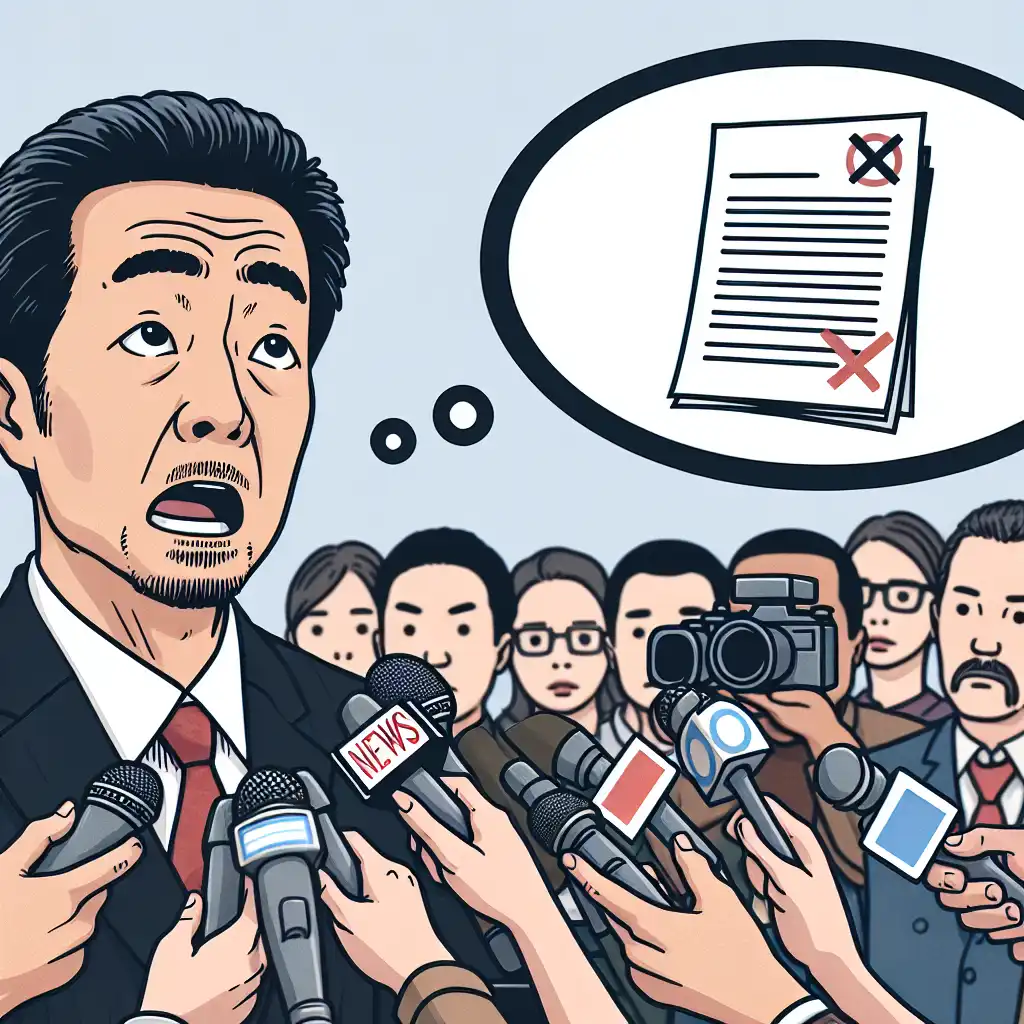
recant
verb recant
rɪˈkænt
To publicly say that you no longer have a belief or view that you once expressed.
After a thorough investigation, he recanted his confession.
recant
rɪˈkænt
加载中…
rɪˈkænt
To publicly say that you no longer have a belief or view that you once expressed.
After a thorough investigation, he recanted his confession.
音频无法加载,请稍后再试。
The word 'recant' means to take back something that you have said or written, especially if it was something you believed or argued for. It is often used when someone changes their mind about a belief or a statement they have made, usually due to new information or evidence. For example, a person might recant their previous support for a political candidate after learning new information about their policies. The word can also be used in legal or religious contexts, where someone may need to formally retract their previous statements or beliefs.
Both abjure and recant mean to take back or reject something that one has previously believed or affirmed.
Abjure specifically refers to renouncing a belief or allegiance, often in a formal manner.
So while both can apply to renouncing a belief or idea, abjure is typically used in the context of formally renouncing a belief or allegiance, while recant is typically used in the context of retracting a previously held belief or statement.
打开单词: Abjure →Deny means to declare that something is not true or that you did not do something. For example, if someone accuses you of stealing something, and you say "I didn't do it", you are denying the accusation.
To summarize: deny means to declare something isn't true or that you didn't do something, while recant means to take back something you previously believed or said.
打开单词: Deny →Disavow means to deny any responsibility or connection with something or someone.
However, disavow is used when the person wants to deny any connection with the situation or person, while recant is used when the person wants to withdraw or correct their previous statement or belief.
打开单词: Disavow →Renounce means to formally give up or reject a belief, claim, or position that was previously held. It's often used when someone wants to publicly disavow something they were previously associated with or believed in.
In simpler terms, recant means taking back something you said, while renounce means giving up something you used to believe in.
Recant is used more for correcting mistakes, while renounce is used more for rejecting beliefs or affiliations.
打开单词: Renounce →Repudiate means to reject or disown something, often because you disagree with it or find it unacceptable. For example, a politician might repudiate a controversial statement made by a member of their party.
Recant is more about retracting something you personally said or believed, while repudiate is more about distancing yourself from something that someone else said or did.
打开单词: Repudiate →Retract means to take back or withdraw a statement or promise privately or formally. This is usually done when a person realizes that what they said or promised was wrong or cannot be fulfilled.
Example: The politician retracted his promise to lower taxes after realizing it was not feasible.
Recant is used when it comes to beliefs or opinions, and retract is used when it involves statements or promises made.
打开单词: Retract →To revoke means to cancel or annul a legal or official decision, agreement, or license.
It is often used when someone wants to take away a privilege or permission that was granted to someone else. For example, a company may revoke an employee's access to certain parts of its system if they no longer work for the company.
To put it simply, recanting is about retracting something you've said or believed, while revoking is about canceling something someone else has been given.
打开单词: Revoke →Withdraw means to remove or take back something, often from a specific location or situation.
It can be used in various contexts, such as withdrawing money from a bank account or withdrawing troops from a warzone.
For example, if someone decides to withdraw their support or endorsement of a political candidate, it means they're no longer endorsing them and are removing their name from any public statements.
Recant is more related to retracting a statement or belief, while withdraw is related to removing something or taking it back from a specific situation or location.
打开单词: Withdraw →Khadijah Tribble: How...
在 YouTube 上观看 ↗I cannot and will not recant anything, for to go against conscience is neither right nor safe. Here I stand, I can do no other, so help me God. Amen.
What I am is a heretic who's recanted and, thereby, in everyone's eyes, saved his soul. Everyone's eyes but one, who knows deep down inside that all he has saved is his skin.
A hasty judgment is a first step to recantation.
Giving thanks is that: making the canyon of pain into a megaphone to proclaim the ultimate goodness of God when Satan and all the world would sneer at us to recant.
I've slipped on occasion into the realm of irresponsible invective, but I try to avoid it and generally recant when I fall short. Because name-calling does nothing to improve understanding or move the political debate forward.