insolvent
adjective insolvent
ɪnˈsɑːlvənt
Not having enough money to pay debts.
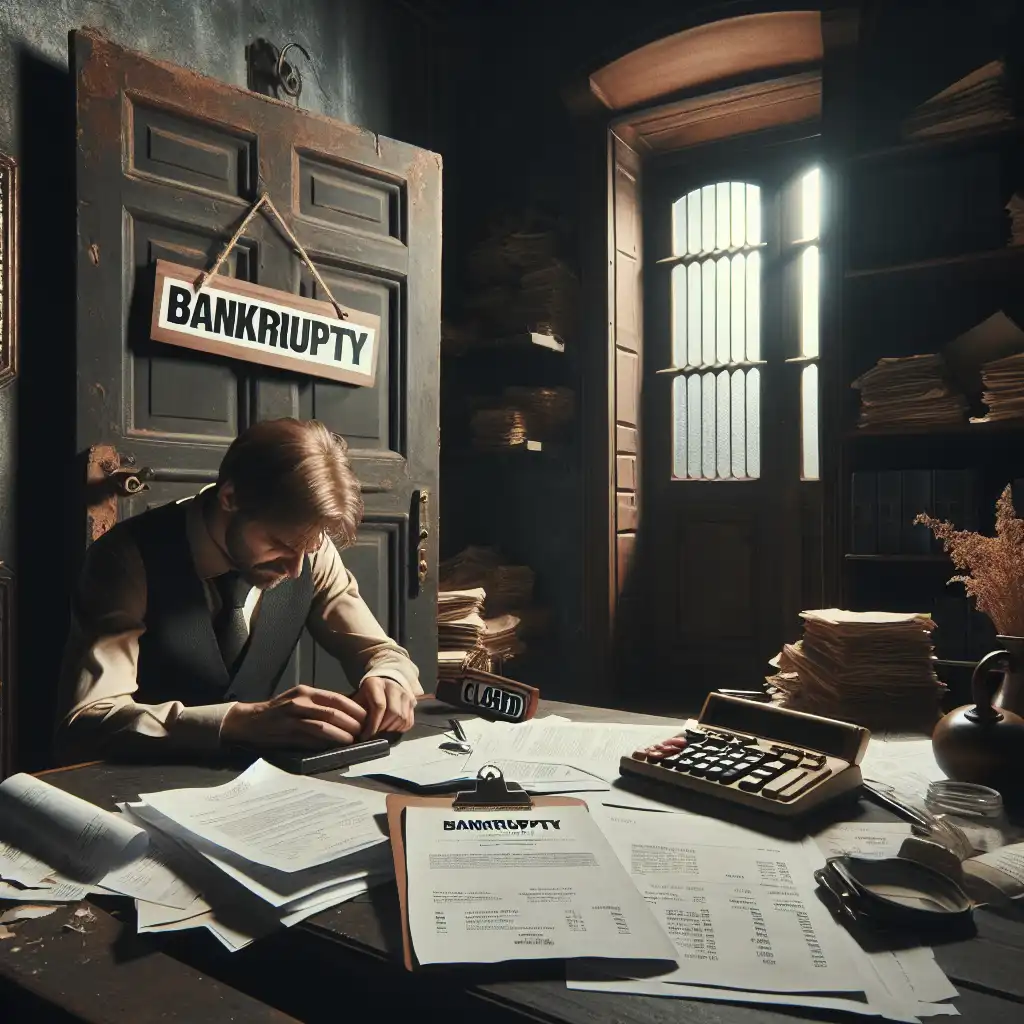
The company is insolvent and has filed for bankruptcy.
insolvent
ɪnˈsɑːlvənt
Đang tải…
ɪnˈsɑːlvənt
Not having enough money to pay debts.
The company is insolvent and has filed for bankruptcy.

ɪnˈsɑːlvənt
A person or organization that is unable to pay debts.
As an insolvent, he was protected from his creditors.
Không tải được âm thanh. Vui lòng thử lại sau.
The word insolvent means that someone or something is unable to pay their debts or bills. It is usually used to describe a business or person who has more debts than they can afford to pay. For example, if a shop owner cannot pay their rent and bills, they may be considered insolvent. It is important to understand this word if you are discussing financial issues or if you are considering lending money to someone or investing in a business.
Bankrupt and Insolvent both refer to a person or company's inability to pay their debts, but there are some differences in use.
Bankruptcy is a legal process where a person or company declares that they cannot pay the debts they owe. They file for bankruptcy with a court, which then helps them restructure their debts and develop a payment plan which may include some or all of their debts being discharged.
Insolvency refers to the state of a person or company's finances when their debts exceed their assets. Insolvency can lead to bankruptcy, but not all insolvent people or companies file for bankruptcy.
They may try to negotiate with creditors or come up with their payment plan to try to avoid bankruptcy.
Bankrupt is a more formal and legal term used when someone has gone through the process of seeking a court's help to settle their debts, while insolvent is a more general term used to describe someone who simply cannot pay their debts, whether or not they have gone through the legal bankruptcy process.
Mở từ: Bankrupt →Defunct means something that used to exist but no longer does. For example, a defunct business is one that used to operate but has since closed down.
Defunct refers to something that is no longer in existence or operation, while insolvent refers to a financial situation where one is unable to pay debts or liabilities.
Mở từ: Defunct →Fail means not succeeding or achieving a desired goal, whereas the word insolvent means that you don't have enough money to pay your debts.
When we use the word fail, we usually mean that someone or something did not accomplish what they set out to do. For example, if a student fails a test, it means they did not get a passing grade.
If a business fails, it means that it did not succeed in making a profit or achieving its goals.
Fail means not succeeding in general, while insolvent means not having enough money to pay debts specifically.
Mở từ: Fail →Impoverish means to make someone very poor or reduce their financial resources. This can happen gradually over time or suddenly due to a disaster, such as a flood or war.
Impoverish refers to a person's financial state, while insolvent refers to a person's ability to pay off their debts.
Impoverishment can lead to insolvency, but they are not interchangeable terms. The former is more applicable to describing a lack of resources, while the latter pertains to an inability to meet financial obligations.
Mở từ: Impoverish →Indebted means that someone owes money to another person or company, but they still have the ability to pay it back.
For example, if someone has a student loan and hasn't fully paid it off yet, they are considered indebted.
If someone owes money and can still repay it, they are indebted. But if someone owes more money than they can repay, they are insolvent.
Mở từ: Indebted →Insolvent refers to a person or a business that is unable to pay off their debts with their current financial resources, while penniless refers to a person who has no money or assets at all.
Penniless is a term applicable when an individual or business has absolutely no money or assets to pay off their debts, regardless of whether they are solvent or not.
Insolvent indicates a financial inability to pay debts, while penniless indicates a complete lack of financial resources.
Mở từ: Penniless →Ruin refers to a situation where someone or something is destroyed or harmed in a significant way.
It can describe the destruction of a building, a business or someone's reputation. Ruin implies a state of complete destruction or collapse.
Insolvent is applicable to a financial context where someone cannot pay their debts, and ruin is applicable to a broader range of contexts where something is destroyed or damaged in a significant way.
Mở từ: Ruin →If a division becomes insolvent, the credit markets' reaction to that is immediate - regardless of what period of time you think you have to remedy.
In both the U.S. and Europe, the budget and balance sheet numbers do not work. When 'off-balance sheet' promises are taken into account, the U.S. and most countries of the Euro zone are insolvent.
We know that Medicare is set to go bankrupt in 2024 with no action, and social security is set to be insolvent by 2037.
In September 2008, the two largest housing mortgage companies called Fannie Mae and Freddie Mac, which were government-sponsored enterprises, which hold hundreds of billions of dollars of mortgages, because of the losses they took on the mortgages, they essentially became insolvent, and the government had to take them over.