norse
adjective norse
nɔːrs
related to the ancient people of Scandinavia, their languages, or their culture
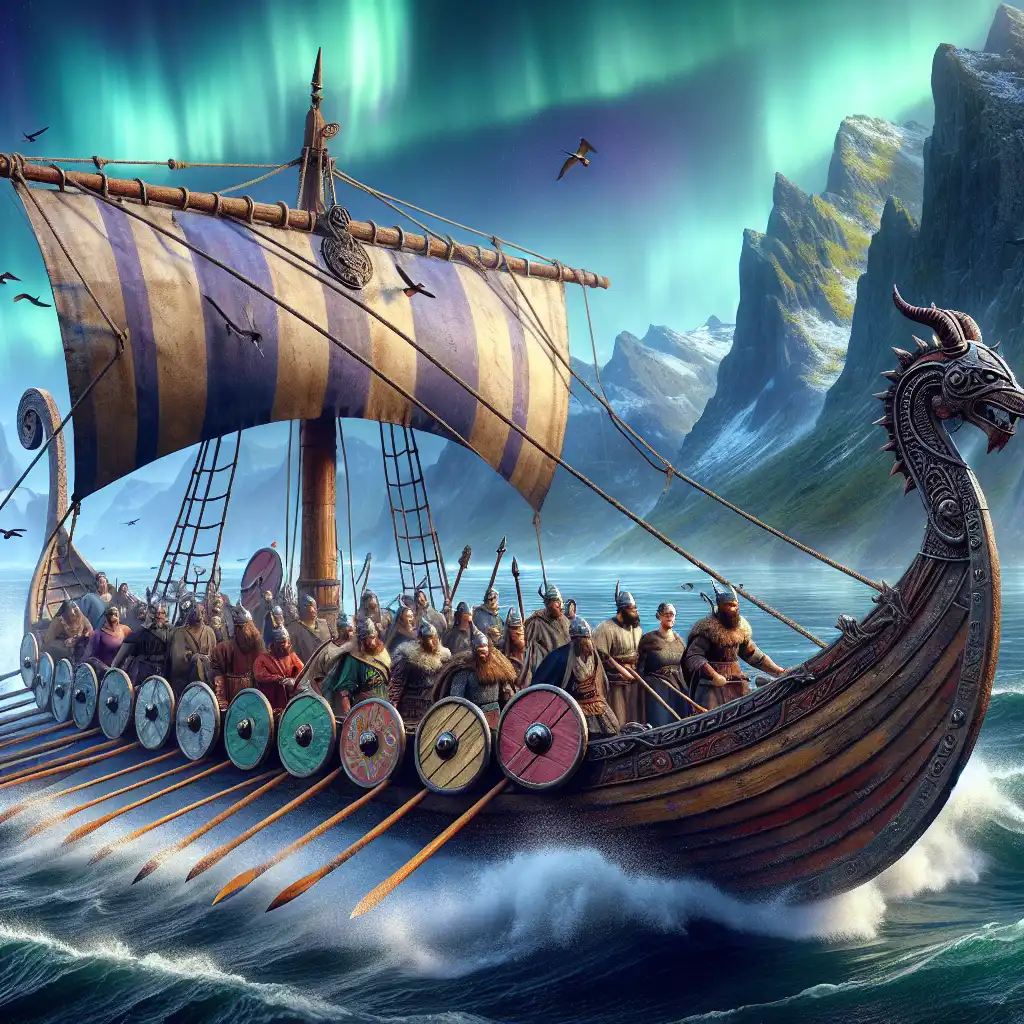
The Vikings were one of the Norse seafaring groups.
norse
nɔːrs
Cargando…
nɔːrs
related to the ancient people of Scandinavia, their languages, or their culture
The Vikings were one of the Norse seafaring groups.

nɔːrs
the language of the ancient Norse people
He is proficient in Old Norse, the language of the Vikings.
No se pudo cargar el audio. Inténtalo de nuevo más tarde.
Norse refers to the people and culture of ancient Scandinavia, specifically from the ninth to the thirteenth centuries. This includes countries such as Sweden, Norway, Iceland, Denmark, and Finland. It often relates to mythology, including gods such as Odin and Thor, as well as historical events such as Viking raids and exploration. You can use the word Norse when talking about these topics or in reference to anything related to the Scandinavian cultures during this time period.
Gothic refers to a style of art and architecture that originated in Europe during the Middle Ages. It is characterized by dark, dramatic designs with intricate details, such as gargoyles and stained glass windows.
In summary, Gothic relates to a type of artistic and cultural style, while Norse pertains to the mythology and culture of ancient Scandinavian peoples.
Abrir palabra: Gothic →Icelandic refers specifically to the people, language, and culture of Iceland, whereas Norse refers to the people, language, and culture of the historical Norse civilization, which included Iceland, but also other countries such as Norway, Sweden, and Denmark.
So, Icelandic refers to something specifically related to Iceland, while Norse refers to something related to the broader historical Norse civilization.
Abrir palabra: Icelandic →The term Nordic refers to the countries and people of northern Europe, such as Sweden, Norway, Denmark, Finland, and Iceland.
In short, Nordic refers to a contemporary region and culture, while Norse refers to an ancient culture and people.
Abrir palabra: Nordic →Norwegian, on the other hand, specifically refers to anything related to Norway (such as its people, language, or culture) in particular.
So while "Norse mythology" might encompass tales from all over the historic Viking world, "Norwegian cuisine" would only refer to the dishes and ingredients that are unique to Norway.
Abrir palabra: Norwegian →The term Scandinavian refers to the modern-day countries that make up the region of Scandinavia, which includes Norway, Denmark, and Sweden, as well as Finland and Iceland.
In summary, Norse describes an ancient culture and civilization, whereas Scandinavian describes a geographic region and its modern-day countries.
Abrir palabra: Scandinavian →Norse refers to the people of Scandinavia (Norway, Sweden, Denmark) who spoke Old Norse and worshipped the Norse gods. Viking specifically refers to a subset of Norse people who embarked on voyages of raiding and trading across the North Sea and Atlantic in the Viking Age (8th-11th centuries).
So, all Vikings were Norse, but not all Norse were Vikings. Norse is a broader term applicable in a historical and cultural context, whereas Viking is more specific to raiding and maritime activities.
Abrir palabra: Viking →We need a "moral...
Ver en YouTube ↗Norse mythology is mystifying and fantastic and totally confusing, but you can draw a lot of inspiration from it.