wimple
noun wimple
ˈwɪmpl
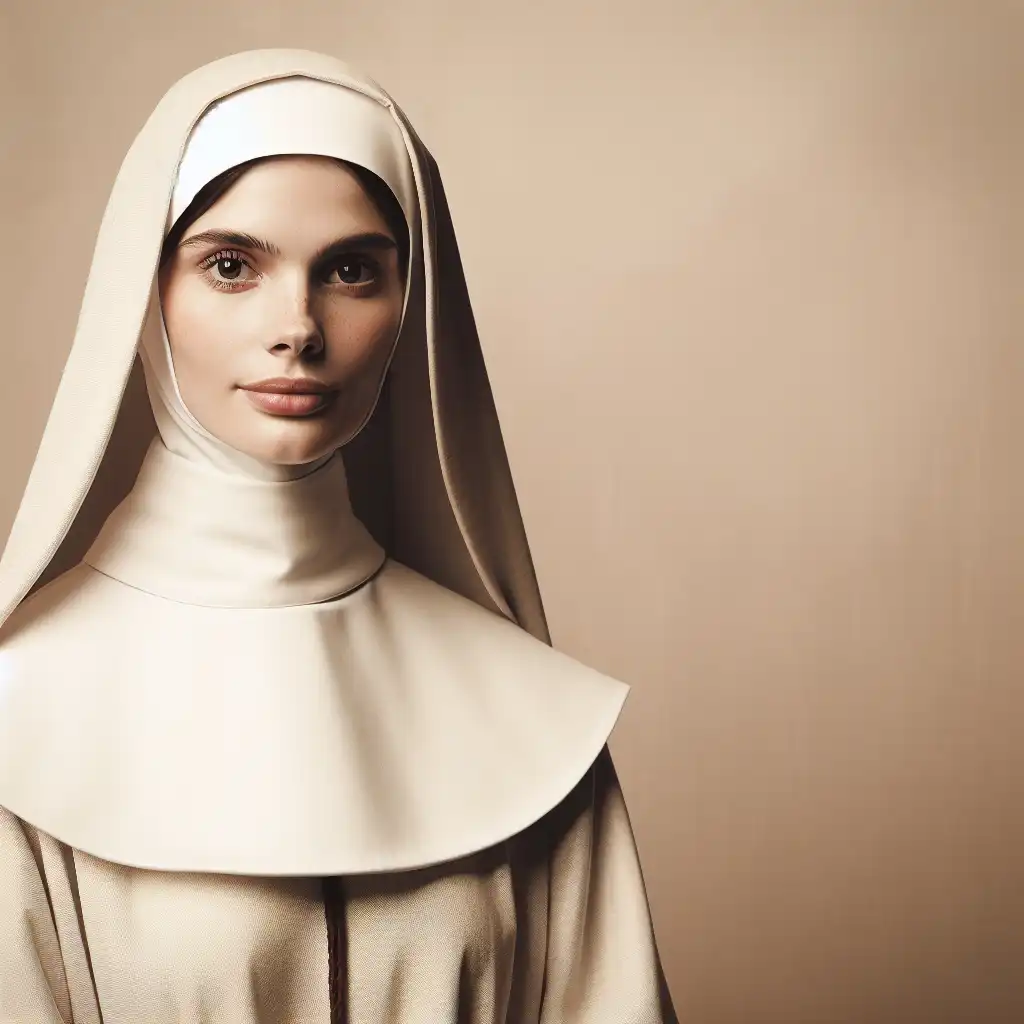
A piece of cloth, worn by women to cover their neck and sides of the face
She wore a wimple as a part of her nun's habit.
wimple
ˈwɪmpl
Loading…
ˈwɪmpl
A piece of cloth, worn by women to cover their neck and sides of the face
She wore a wimple as a part of her nun's habit.
ˈwɪmpl
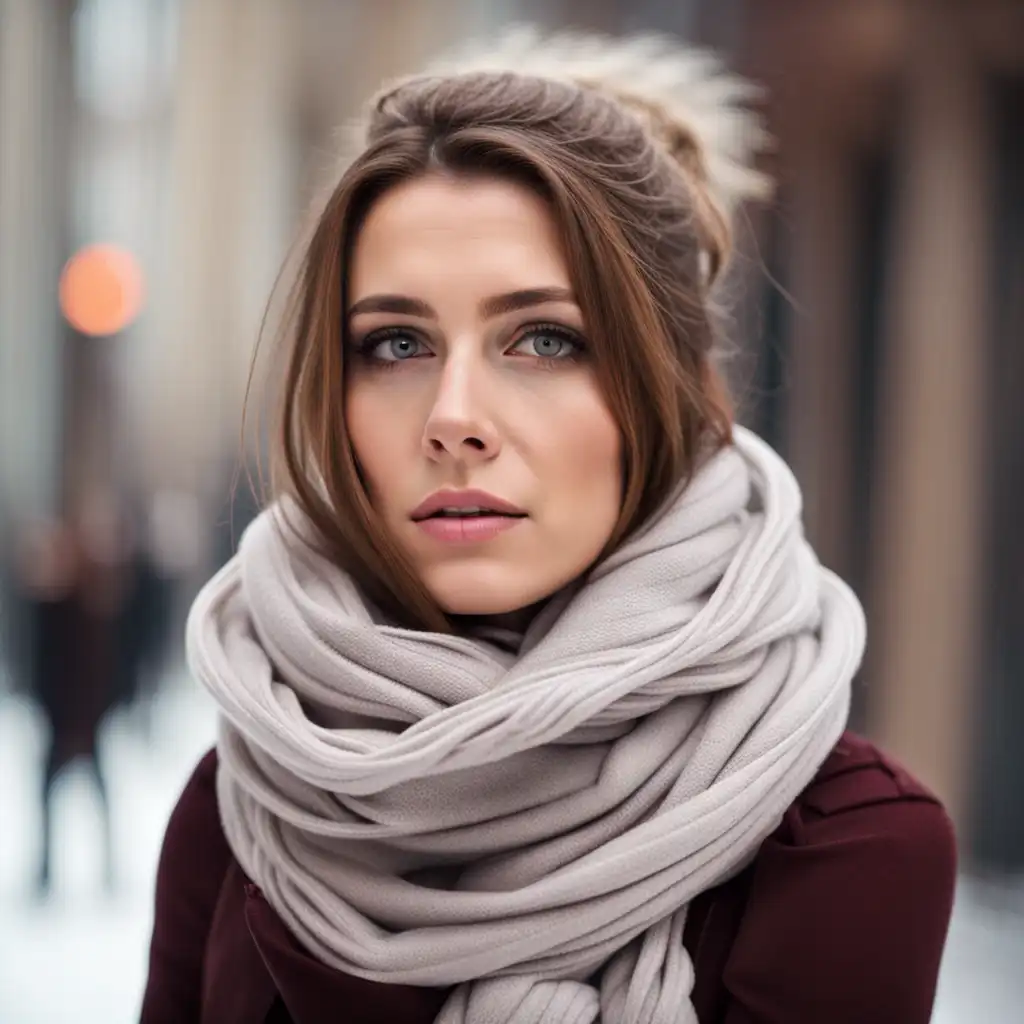
Cover with or as if with a wimple; to wrap around something
She wimpled her face in a scarf to protect it from the cold.
Audio could not be loaded. Please try again later.
A wimple is a kind of cloth that was traditionally worn by women in the olden days to cover their heads and necks. It is usually made of a lightweight fabric and draped over the head, leaving only the face exposed. Wimples were often worn by nuns or religious women as a symbol of modesty and piety. Nowadays, the word "wimple" is not commonly used, but it may still be seen in historical or religious contexts.
A headscarf is a piece of fabric worn over the head and tied under the chin or at the back of the head. It is worn by women to cover their hair or as a fashion accessory.
A wimple is a type of headscarf that covers the head, neck, and chin. It was historically worn by women in medieval Europe as a sign of modesty and piety.
The main difference between headscarf and wimple is that a headscarf is a general term that refers to any piece of fabric worn over the head, while a wimple is a specific type of headscarf that covers the head, neck, and chin, and is mostly associated with religious orders.
Open word: Headscarf →Hood typically refers to a covering for the head and neck, usually made of fabric or leather, which can be worn for protection or warmth.
This term can describe a variety of items such as a hoodie, a monk's hood or a knight's hood.
Hood is a general term for a head covering while wimple is a specific term referring to a particular style of head covering worn by women in the Middle Ages.
Open word: Hood →Both kerchief and wimple are words that refer to pieces of cloth worn on the head or neck.
A kerchief is a square or triangular piece of cloth that is folded and tied around the head or neck to protect hair, absorb sweat, or for decoration.
A kerchief is a simple head or neck scarf, while a wimple is a more complex head covering worn for religious or modesty purposes.
Open word: Kerchief →A mantle is a loose, sleeveless cloak or cape that is often worn over clothing, especially for warmth or as a fashion accessory.
It can also refer to a layer of rock that lies beneath the Earth's crust. Mantle is usually applicable in the contexts of clothing, fashion, and geology.
A mantle is a cloak or cape worn over clothing or a geological layer, while a wimple is a head and neck garment worn by women and religious orders.
Open word: Mantle →A shawl is a piece of fabric, often larger and rectangular in shape, that is worn wrapped around the shoulders or draped over the head and shoulders.
In modern times, the term wimple is not commonly used, whereas shawl is still frequently used to refer to a garment that covers the head and/or shoulders.
A shawl is a versatile piece of fabric that can be worn for various purposes such as warmth, fashion, or modesty, while a wimple is a historical garment with a specific cultural and religious significance.
Open word: Shawl →A snood is a type of head covering that is worn over the hair at the back of the head and falls down over the neck and shoulders.
A snood is a modern head covering for warmth or style, while a wimple is a historically significant, religious head covering.
Open word: Snood →A veil is a piece of sheer fabric worn over the face or head, often as part of a wedding veil or a religious headdress.
Both the veil and wimple are traditionally worn by women, but the veil is more commonly associated with formal occasions, such as weddings and religious ceremonies, while the wimple is a more historical garment worn by nuns.
Open word: Veil →What a nun can teach a...
Watch on YouTube ↗I got so far away from what they told you in acting class: Do something different. Producers kept offering me the 'Sister Act' movie, but I said, 'My fans don't want to see me in a wimple.' I literally said, 'My fans don't want to see me in a wimple.
Mysteries of vernacular:...
Watch on YouTube ↗I'm not a fan of the wimple; you can't hear much when you've got it on.