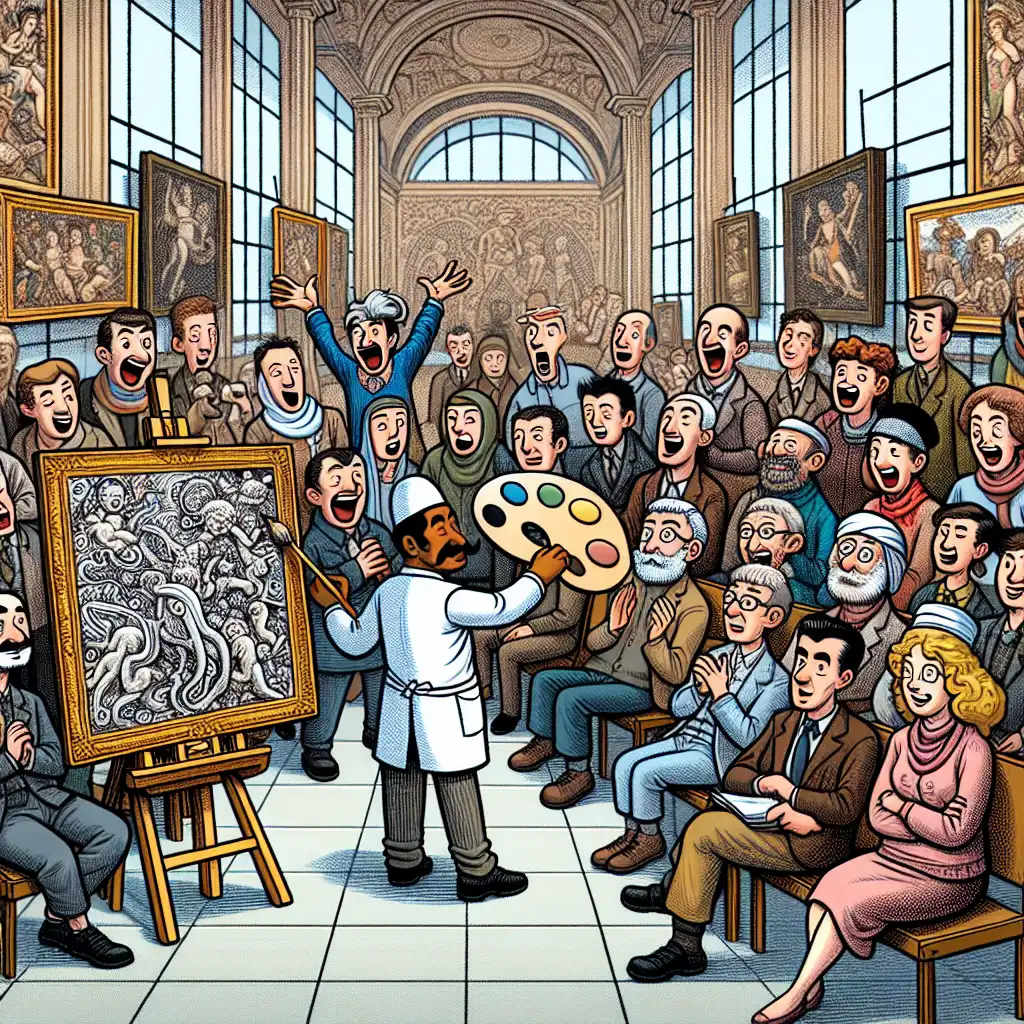
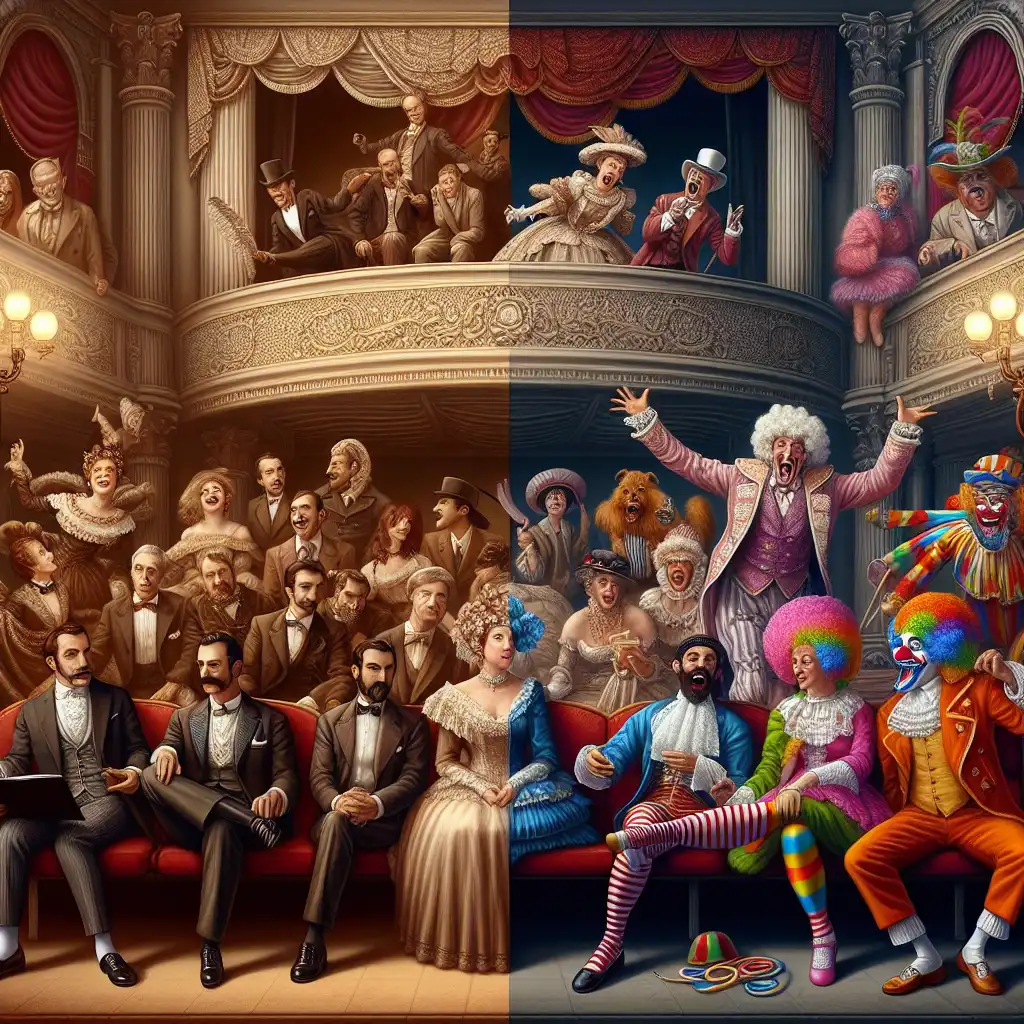
To vulgarize means to make something vulgar or crude, usually by making it more common or accessible to the general public. For example, if a sophisticated and refined piece of art or literature is simplified to appeal to a wider audience, it can be said to be vulgarized. It is important to note that this word may be considered offensive or inappropriate in certain contexts, so it should be used with caution.
Coarsen means to make something less refined or less polite.
For example, if someone started using swear words more frequently and stopped being as polite as they used to be, you could say that they have coarsened.
Corrupt means to act dishonestly in order to gain personal benefit or to cause harm.
This word is often used to describe people in positions of power who abuse their authority for personal gain. For example, a politician who accepts bribes in exchange for passing certain laws is considered corrupt.
Corrupt refers to dishonest behavior, while vulgarize refers to the degradation of quality or respectability in art or literature.
Debase means to lower the quality or value of something. For example, if you add water to good quality wine, you will debase it.
Debase is applicable when you want to describe something that has been lowered in quality or value, while vulgarize is applicable when you want to describe something that has been made crude or offensive by adding vulgar elements to it.
Degrade means to lower in status or quality, while vulgarize means to make something common and lacking in taste or refinement.
Degrade is applicable when someone or something is lowered from a higher position or quality to a lower one. For example, if someone is demoted from a management position to an entry-level job, they have been degraded.
In simpler terms, degrade means to lower in quality or status, while vulgarize means to make something less sophisticated.
Devalue means to reduce the value or worth of something, often in the context of money or economy. For example, if a country's currency is devalued, it becomes worth less compared to other currencies.
Devalue relates to decreasing the monetary or economic value of something, while vulgarize describes making something less tasteful or more crude.
Tarnish means to make something lose its shine or luster, usually through exposure to air or other elements. It is applicable to objects made of metals or other materials that may become dull or discolored over time.
For example, if a silver necklace is not properly cleaned, it may tarnish and lose its shiny appearance.